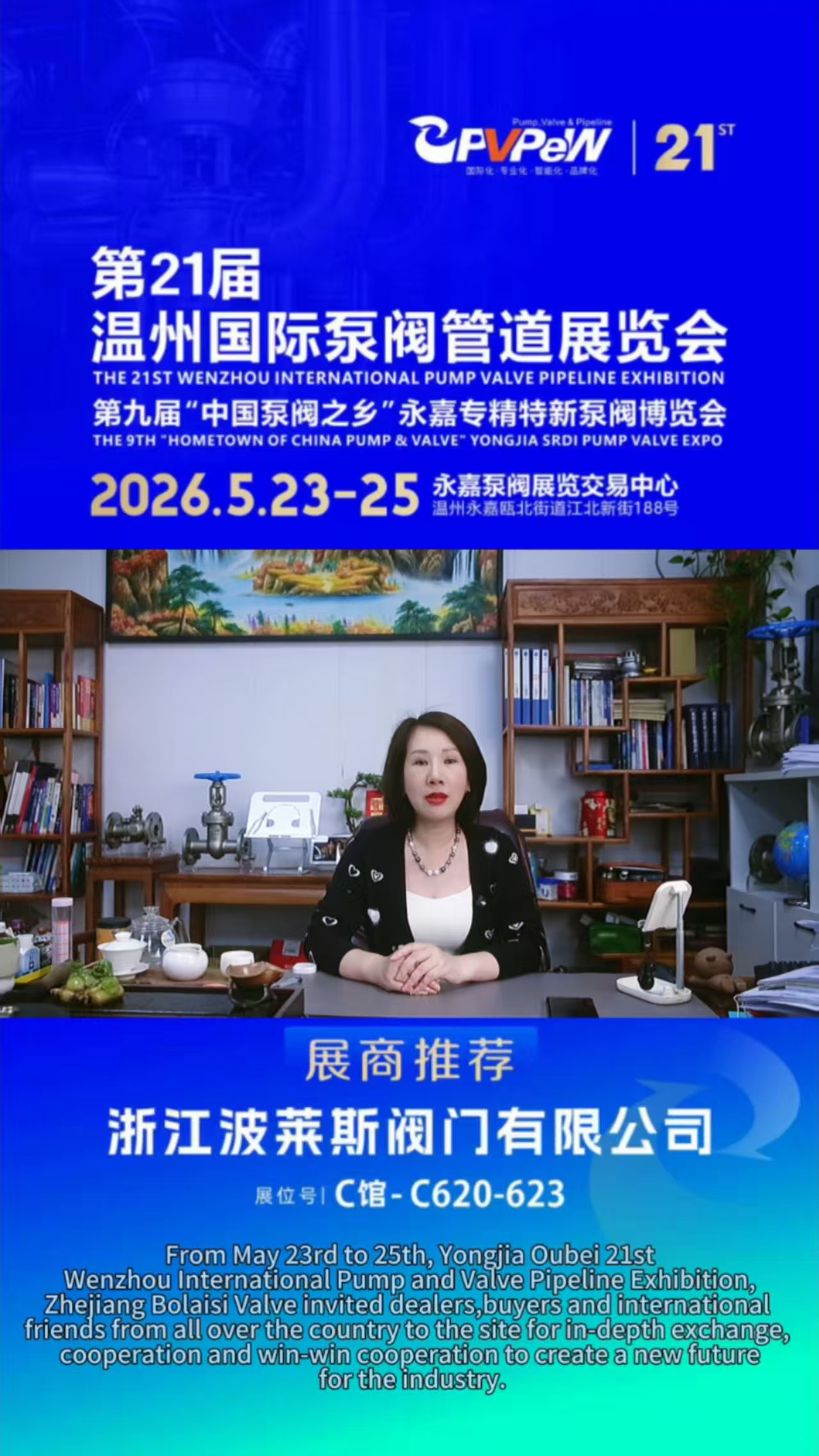

Corrosion-resistant stainless steel gate valves for industrial pipeline flow control
Strong Corrosion Resistance
Bolaisi stainless steel gate valves are made of high-quality 304 or 316 stainless steel with high purity and low impurity content. They can effectively resist corrosion from air, moisture, acid and alkali solutions, and other media, completely avoiding rust, corrosion and aging of the valve.
The valves operate stably without damage in corrosive raw material pipelines in the chemical industry, as well as in seawater desalination, shipbuilding and other environments exposed to salt spray for a long time. Compared with ordinary carbon steel valves, the service life of stainless steel gate valves can be extended by 2–4 times, greatly reducing users’ replacement costs.
Bolaisi also provides stainless steel ball valves with equivalent corrosion resistance, which can be used together with stainless steel gate valves to meet pipeline control requirements under different working conditions and form a complete fluid control solution.
Reliable Sealing Performance
Stainless steel gate valves adopt a precision-ground sealing structure. The valve seat and gate plate fit closely, and the sealing surface is mirror-polished with low roughness and high sealing performance, which can effectively prevent fluid leakage and ensure the safe and stable operation of the pipeline system.
The valves maintain excellent sealing effect under normal temperature and pressure as well as high-pressure environments, without dripping or seepage, avoiding material waste, potential safety hazards and environmental pollution caused by leakage.
This sealing technology has been verified by many industrial tests, and the sealing performance remains stable after long-term use without frequent replacement of sealing parts. This high-quality sealing feature is also reflected in Bolaisi stainless steel globe valves. The two products can be flexibly matched according to pipeline control needs to adapt to more scenarios.
High Pressure & High Temperature Resistance, Wide Application Range
Stainless steel gate valves feature special structural design and heat treatment, providing excellent high pressure and high temperature resistance. They can work stably at a pressure of 0.6–16 MPa and a temperature range of -20°C to 425°C without deformation, cracking or performance degradation.
The valve stem is made of high-strength stainless steel with strong tensile and wear resistance, capable of withstanding the impact of high-pressure fluid and ensuring flexible and reliable opening and closing.
These valves are widely used in petroleum, chemical, electric power, metallurgy, pharmaceutical and other industries, suitable for pipelines conveying steam, oil, high-temperature water, corrosive media and other fluids, making them indispensable control components in industrial pipeline systems.
Core Parameters of Stainless Steel Gate Valves
| Parameter | Range | Application |
| Working Pressure | 0.6–16 MPa | Industrial high-pressure pipelines, steam pipelines |
| Working Temperature | -20°C – 425°C | High-temperature fluid transportation, low-temperature conditions |
| Material | 304/316 Stainless Steel | Corrosive media, seawater, chemical raw materials |
| Connection | Flanged, Threaded | Installation of various industrial pipelines |
Easy Installation & Maintenance, Low Operating Cost
Stainless steel gate valves feature a compact and simple structure, moderate size and light weight. Installation and disassembly can be completed quickly without complicated tools, greatly improving construction efficiency.
The operation is simple with flexible manual opening and closing, easy to use without professional training. Daily maintenance is also extremely convenient: only regular inspection of the valve status, sealing surface cleanliness and occasional lubrication are required, without frequent disassembly and overhaul, effectively reducing maintenance time and labor costs.
In addition, Bolaisi provides comprehensive after-sales service for stainless steel gate valves and all stainless steel valve products, including installation guidance, fault repair and parts replacement, solving various problems encountered by users in a timely manner.
With stable structure, low failure rate and convenient maintenance, the valves further reduce users’ long-term operating costs and improve the operation efficiency of the pipeline system.
- View as

Flanged Gate Valve
The flanged gate valve is a shut-off valve utilizing a flanged connection and a gate-style opening/closing mechanism; it is widely used in industrial piping systems. These valves see widespread application only after undergoing rigorous testing across various operating conditions and professional evaluation to ensure all performance indicators meet standards. Manufactured to standardized specifications by professional domestic enterprises, the product range covers nominal diameters from DN15 to DN1200 and is compatible with pipelines rated for PN10, PN16, PN25, PN40, and PN64 pressure classes.
GB Flange Gate Valve
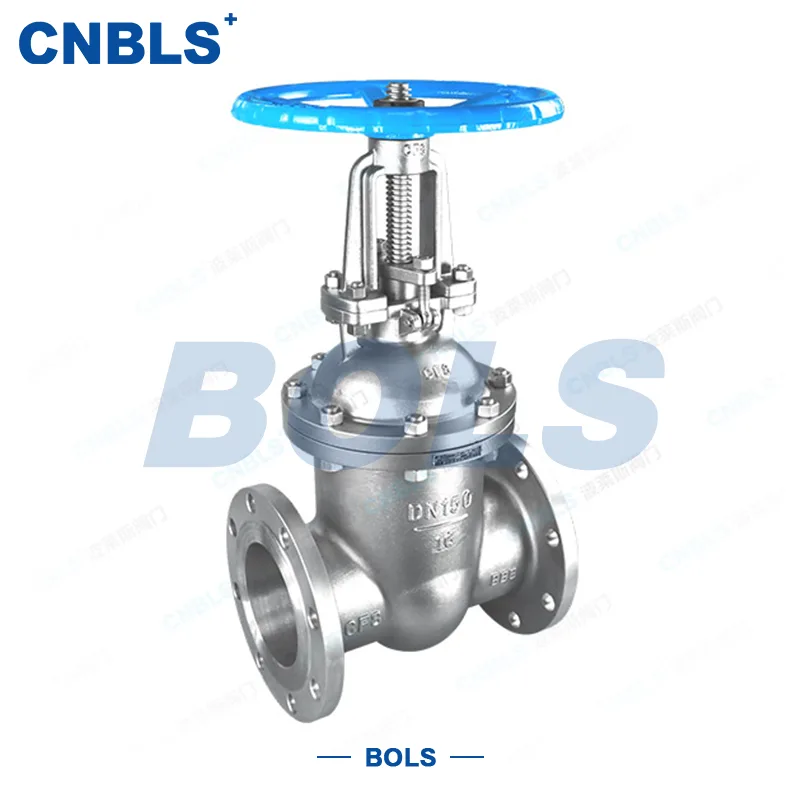
Bolaisi is a trustworthy manufacturer that makes sturdy GB Flange Gate Valves with low fluid resistance and reliable hard sealing. This valve is used for pipeline on-off control only, not flow regulation. As a responsible supplier, it provides various actuation choices, and you can cooperate with this manufacturer for valves fit for industrial and municipal use.
ANSI Flanged Gate Valve
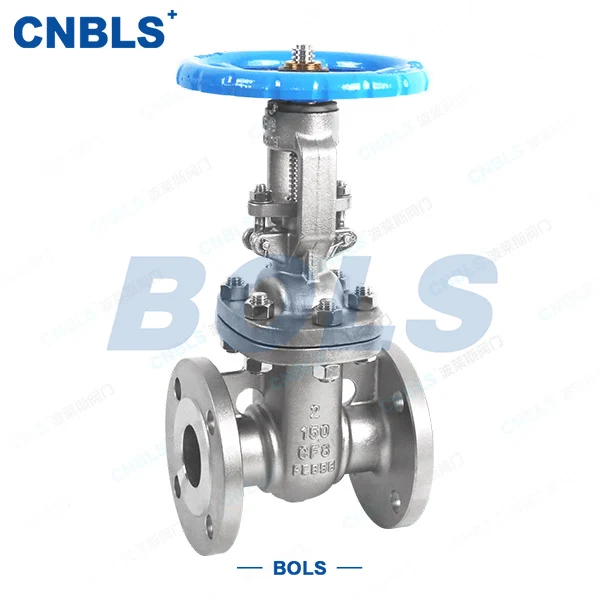
Bolaisi produces durable, high-sealing industrial valves that work stably in harsh conditions. Its ANSI Flanged Gate Valve is a flange-connected valve for on-off control and flow regulation. As a professional supplier, we provide this valve in various models, and our manufacture ensures reliable quality for industrial, energy and municipal use.
Stainless Steel Forged Steel Butt Welding Gate Valves
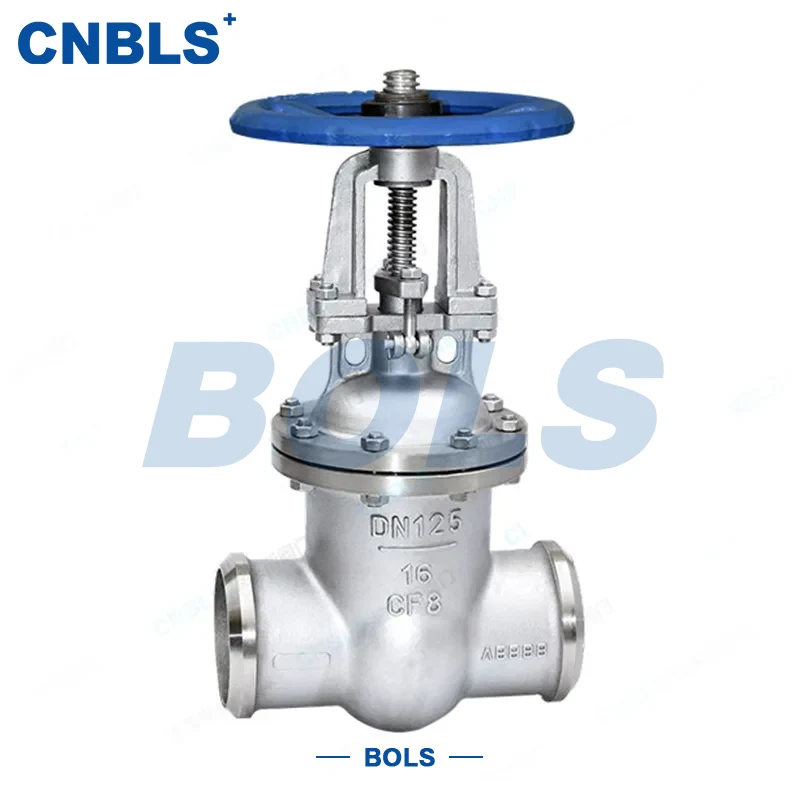
As a reliable manufacturer with strict quality control, Bolaisi specializes in producing high-pressure forged steel valves using advanced forging and hardfacing technology. We supply Stainless Steel Forged Steel Butt Welding Gate Valves, featuring integral forged bodies, Stellite overlay seals and excellent high-temperature resistance. We offer customized pressure classes and wholesale services to meet harsh industrial working conditions.
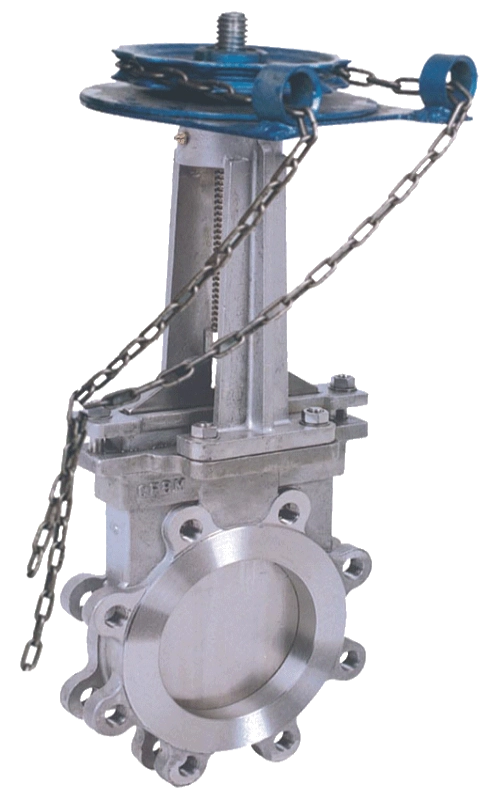
Stainless Steel Sprocket Wafer Knife Gate Valves
With advanced production technology and strict quality control, Bolaisi is a professional supplier focusing on impurity-containing media valves. We manufacture Stainless Steel Sprocket Wafer Knife Gate Valves, which adopt labor-saving sprocket drive, anti-clogging design and corrosion-resistant stainless steel. We provide customized specifications and wholesale services to meet the needs of industrial impurity-containing media pipelines.
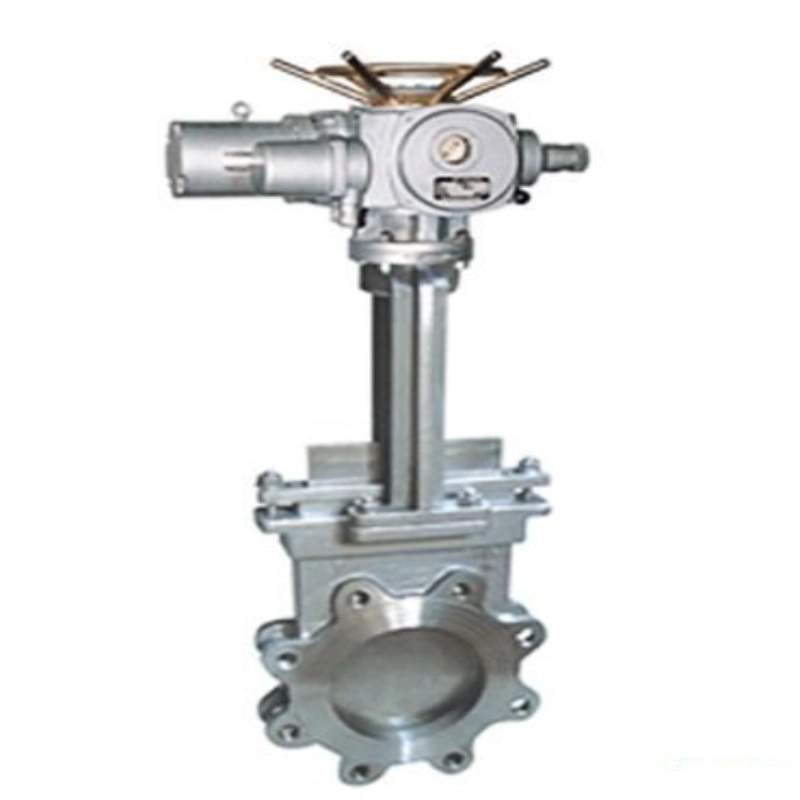
Stainless Steel Electric Wafer-Type Knife Gate Valves
Bolaisi, a reliable valve supplier with strict quality management, specializes in producing valves for complex media scenarios. We manufacture Stainless Steel Electric Wafer-Type Knife Gate Valves, which have a compact structure, anti-clogging design and strong corrosion resistance. We offer advanced electric control options, customized solutions and wholesale services to meet industrial slurry and particle-containing media needs.
Stainless Steel Gate Valves from Bolaisi offer premium quality with quick delivery and flexible customization. Contact us today for a free sample and competitive quotation!



![[Breaking News] Poles Valves has obtained GB/T 19001-2026/ISO 9001:2015 international quality management system certification, marking another milestone in its commitment to quality!](https://www.bolaisivalves.com/upload/8609/2026041815344486470.jpg "[Breaking News] Poles Valves has obtained GB/T 19001-2026/ISO 9001:2015 international quality management system certification, marking another milestone in its commitment to quality!")