
Gate Valve
Gate Valve is one of the most widely used and versatile shut-off valves in global industrial piping systems. Its core operating mechanism involves the vertical movement of a gate (or wedge) to achieve either full flow or complete shut-off of the pipeline medium; it is designed exclusively for on/off control and must not be used for flow throttling or regulation. Thanks to key advantages—such as a straight-through flow path, minimal flow resistance, bidirectional flow capability, reliable sealing, robust weather resistance, and suitability for diverse operating conditions—this valve is essential across sectors ranging from municipal utilities and heavy industry to energy (oil and gas) and environmental water treatment. It represents a critical valve category for overseas EPC projects, bulk export procurement, and cross-border equipment integration.
What is a Gate Valve?
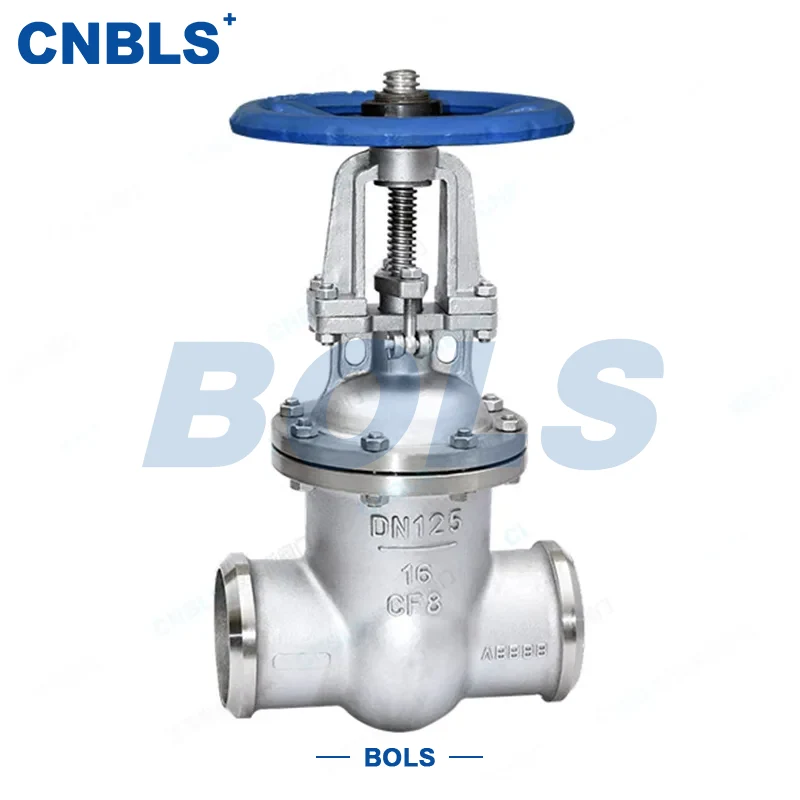
A Gate Valve is a static control valve that utilizes a stem transmission mechanism to drive a gate in a vertical linear motion along the valve body's sealing surfaces, thereby achieving full opening or closing of the pipeline flow path. When fully open, the flow path is unobstructed and straight-through; when fully closed, the gate fits precisely against the seat to block the flow of the medium. Lacking any throttling or regulation function, it serves as a "secure on/off gate" for piping systems.
How does it work?
The Gate Valve assembly consists of six core components: the valve body, bonnet, gate, stem, sealing elements, and actuating mechanism (e.g., handwheel or electric actuator). To open the valve, the stem is rotated—manually or via a power drive—lifting the gate vertically to its highest position and allowing the medium to flow freely in either direction. To close the valve, the stem is driven in the opposite direction, lowering the gate vertically along the sealing tracks until the gate's sealing surface mates perfectly with the seat's sealing surface; sealing is achieved through a combination of medium pressure and structural tightness, completely blocking the flow. Compared to other valve types, this design features a longer travel distance and a gradual opening/closing speed. The operation is smooth, free from impact or noise, and causes no hydraulic shock damage to the piping system, thereby ensuring the safety of the pipeline and downstream equipment.
Basic Core Characteristics
The fundamental operational rule for a Gate Valve is that it functions in one of two states: fully open or fully closed. When operated in a partially open state for extended periods, high-velocity media continuously erode the gate's sealing surfaces, causing wear, deformation, and scratching. This ultimately leads to leakage, jamming, or failure to open and close, significantly reducing the equipment's service life; therefore, its use for flow or pressure regulation is prohibited.
Core Functions and Industrial Value
As a core control component in piping systems, the Gate Valve like Flanged Gate Valve and Stainless Steel Forged Steel Butt Welding Gate Valves is not designed for flow regulation; its primary value lies in efficient on/off operation, pressure stability for safety, energy conservation, and ease of maintenance. It serves as a fundamental guarantee for the stable operation of piping systems. Specific functions include:
1. Ultra-low flow resistance and energy efficiency: When fully open, the internal flow path is completely unobstructed, resulting in minimal pressure loss during medium transport. This effectively reduces the operating load on downstream equipment such as pumps and compressors, significantly lowering industrial energy consumption and making the valve ideal for long-distance, high-flow transport projects.
2. Bidirectional flow and high installation flexibility: There are no restrictions on flow direction; the medium can flow freely in either direction. On-site installation does not require distinguishing between inlet and outlet ports, which significantly reduces the complexity of overseas construction, shortens installation time, and minimizes costs associated with installation errors.
3. Precise shut-off and safety assurance: During equipment maintenance, pipeline modifications, emergency repairs, or network shutdowns, the valve can quickly and completely cut off the flow. It effectively isolates upstream and downstream conditions, eliminates risks of backflow or leakage, and ensures a safe working environment for personnel.
4. Long-term pressure stability and operational reliability: The sealing system is resistant to static stress and aging, allowing the valve to remain fully open or fully closed for extended periods without issues like automatic pressure relief or leakage. It is well-suited for industrial piping networks and energy transport lines requiring 24-hour continuous operation.
5. Broad adaptability and comprehensive application coverage: Through varied combinations of materials, sealing mechanisms, and structural designs, these valves can handle diverse and complex operating conditions—ranging from ambient-temperature water and high-temperature steam to high-pressure oil and gas, corrosive chemicals, and high-impurity slurries—thereby meeting the needs of a wide range of industrial sectors.
Comprehensive Technical Specifications
| Parameter | Detailed Standard Specification Range |
| Nominal Diameter | DN25–DN1200 (NPS1–NPS48), with oversized non-standard sizes available for customization |
| Nominal Pressure | PN10, PN16, PN25, PN40, PN64, PN100 / Class 150, Class 300, Class 600, Class 900 |
| Operating Temperature | Soft Seal (EPDM/Rubber): -20°C to 120°C; Hard Seal (Metal Alloy): -40°C to 425°C |
| Main Valve Body Materials | Cast Iron, Ductile Iron, Carbon Steel WCB, Stainless Steel 304/316/316L, Alloy Steel |
| Sealing Materials | EPDM, Natural Rubber, PTFE, Stainless Steel Overlay, Hard Alloy |
| Connection Types | Flanged, Threaded, Welded, Wafer, with special connection dimensions available for customization |
| Actuation Methods | Manual, Electric, Pneumatic, Hydraulic, with compatibility with intelligent control systems |
| Applicable Media | Tap Water, Wastewater, Steam, Oil, Natural Gas, Chemical Acid and Alkaline Fluids, Pulp, Slurry, and Gases |
Application Scenarios
Thanks to its exceptional adaptability to diverse operating conditions, the Gate Valve has become a standard component in pipeline projects across global industries. Key application areas include:
1. Municipal Water Supply and Drainage: Urban water transmission mains, residential water supply systems, rainwater collection and discharge networks, municipal sewage treatment plants, and water supply/drainage systems for underground utility tunnels.
2. Fire Protection and Safety: Urban fire protection mains, building fire sprinkler systems, industrial fire water supply pipelines, and emergency fire pressure-stabilizing networks.
3. Oil, Gas, and Energy Engineering: Long-distance pipelines for crude oil and refined products; natural gas gathering and distribution networks; oil and gas field wellhead equipment; offshore drilling platforms; and oil/gas storage and pumping stations.
4. Chemical Industry Engineering: Medium-transport pipelines for fine chemical, coal chemical, and acid/alkali plants; high-temperature steam networks; chemical wastewater treatment systems; and pipelines for transporting corrosive fluids.
5. Power and New Energy Engineering: Piping systems for circulating water, cooling water, steam, and demineralized water in thermal power plants, hydroelectric plants, photovoltaic stations, and wind power facilities.
6. Industrial, Mining, and Metallurgical Engineering: Mine tailings transport; metallurgical water supply and drainage; steel plant steam networks; paper mill pulp transport; and pulverized coal/dust transport systems.
7. Building HVAC Engineering: Central air-conditioning circulating water, heating hot water, and water supply/drainage piping systems for large commercial complexes, office buildings, and residential communities.
FAQ
Q1: Can Gate Valve be used to regulate pipeline flow and pressure?
No. This type of shut-off valve is strictly designed for fully open or fully closed operation and does not provide throttling or regulating capabilities. Prolonged use in a partially open position exposes the gate's sealing surface to continuous high-speed fluid erosion, causing wear, scratches, and deformation. This rapidly leads to leakage, jamming, or failure of the opening/closing mechanism, severely shortening the valve's service life. If flow or pressure regulation is required, it is recommended to use globe valves, control valves, or butterfly valves instead.
Q2: How do I accurately choose between rising-stem and non-rising-stem designs?
① For harsh industrial conditions (high temperature/pressure, steam, chemical, oil & gas), outdoor installations, scenarios requiring real-time monitoring of the valve's open/closed status, or applications requiring frequent maintenance, prioritize rising-stem designs; they offer superior stability and a longer service life. ② For municipal water supply, fire protection, underground utility tunnels, underground piping, space-constrained installations, or civil applications requiring little maintenance, prioritize non-rising-stem designs; they feature a compact design, better cost-effectiveness, and enhanced protection.
Q3: What are the key differences and selection criteria between soft-seated and hard-seated designs?
Soft-seated valves utilize flexible rubber seals; their advantages include zero leakage, ease of operation, and cost-effectiveness, though they have limited temperature and pressure resistance. They are best suited for mild media, such as clean water or sewage, under normal temperature and pressure conditions, free from corrosives or impurities, making them ideal for municipal infrastructure and public utility projects. Hard-seated valves employ rigid metal seals; they excel in high-temperature, high-pressure, abrasive, and corrosive environments. While their sealing precision is slightly lower than that of soft-seated valves with minor leakage at low pressures considered normal, they are the preferred choice for heavy industry, energy and chemical processing, and oil and gas projects.
Q4: Are there specific installation orientation requirements? Is installation difficult?
Standard designs feature bidirectional flow with no inlet/outlet restrictions; they can be installed at any angle or orientation without specialized calibration. Installation is straightforward, significantly lowering the technical barrier compared to unidirectional valves like globe valves or check valves, making them ideal for rapid on-site installation in overseas projects.
Q5: Do you offer customization for export orders? What are the minimum order quantity (MOQ) requirements?
Our entire range supports comprehensive customization for export, including valve body and seal materials, pressure ratings, bore sizes, actuation methods, logos, packaging standards, and compliance with international standards. We have no minimum order quantity (No MOQ) requirement, accommodating everything from small-batch trial orders to large-scale overseas project orders with flexible shipping options.
Q6: How should the valve be maintained during daily use? How can its service life be extended?
① During operation, keep the valve fully open or fully closed; do not use it in a partially open state for flow throttling. ② Regularly clear impurities, sediment, and debris from the pipeline to prevent hard particles from jamming or damaging the sealing surfaces. ③ For outdoor installations, use protective covers to prevent damage from prolonged sun exposure, rain, and corrosion. ④ In high-temperature and high-pressure applications, regularly inspect sealing performance and the smooth operation of the valve stem mechanism. ⑤ For pipelines out of service for extended periods, keep the valve fully open to prevent deformation of the sealing surfaces caused by prolonged pressure. Proper maintenance significantly extends service life and reduces operational and maintenance costs.
Q7: Which international markets are these products suitable for? Can you provide a complete set of certification documents?
Our products strictly adhere to international standards and are fully compatible with major global markets, including Europe, the Americas, Southeast Asia, the Middle East, Africa, and Australia. We provide a complete set of export documentation—including factory test reports, material certificates, customs declarations, and packing lists—free of charge, fully meeting requirements for overseas customs clearance, project tendering, and engineering acceptance.
Q8: What are the key differences between gate valves, ball valves, and butterfly valves? How should I choose for export procurement?
Gate valves feature large bore sizes, low flow resistance, pure shut-off capabilities, and long service lives, making them ideal for main pipelines and high-flow, long-distance transport applications. Ball valves offer rapid opening/closing and high-pressure oil/gas compatibility, making them suitable for precise shut-off in smaller-diameter lines. Butterfly valves are compact and cost-effective, making them suitable for large-diameter, low-pressure ventilation and auxiliary water supply/drainage piping. Gate valves are the preferred choice for industrial main pipeline networks and major engineering pipelines, offering the best balance of cost-effectiveness and stability.
Q9: What are the delivery lead times and packaging methods?
Standard models are in stock and ready for shipment within 3–7 days; delivery times for non-standard, customized products are calculated based on specifications and quantity. Our export-grade packaging utilizes fumigated solid wood pallets, waterproof stretch wrap, and shock-absorbing foam to prevent moisture damage and impact during transit, ensuring suitability for long-distance ocean and air freight.
Q10: Do you provide overseas after-sales support and technical guidance?
We offer comprehensive technical support for export clients, including English installation manuals, installation videos, and remote technical guidance. We provide free repairs and replacement parts for non-human-induced damage within the warranty period, backed by a robust after-sales service system.
- View as

Flanged Gate Valve
The flanged gate valve is a shut-off valve utilizing a flanged connection and a gate-style opening/closing mechanism; it is widely used in industrial piping systems. These valves see widespread application only after undergoing rigorous testing across various operating conditions and professional evaluation to ensure all performance indicators meet standards. Manufactured to standardized specifications by professional domestic enterprises, the product range covers nominal diameters from DN15 to DN1200 and is compatible with pipelines rated for PN10, PN16, PN25, PN40, and PN64 pressure classes.
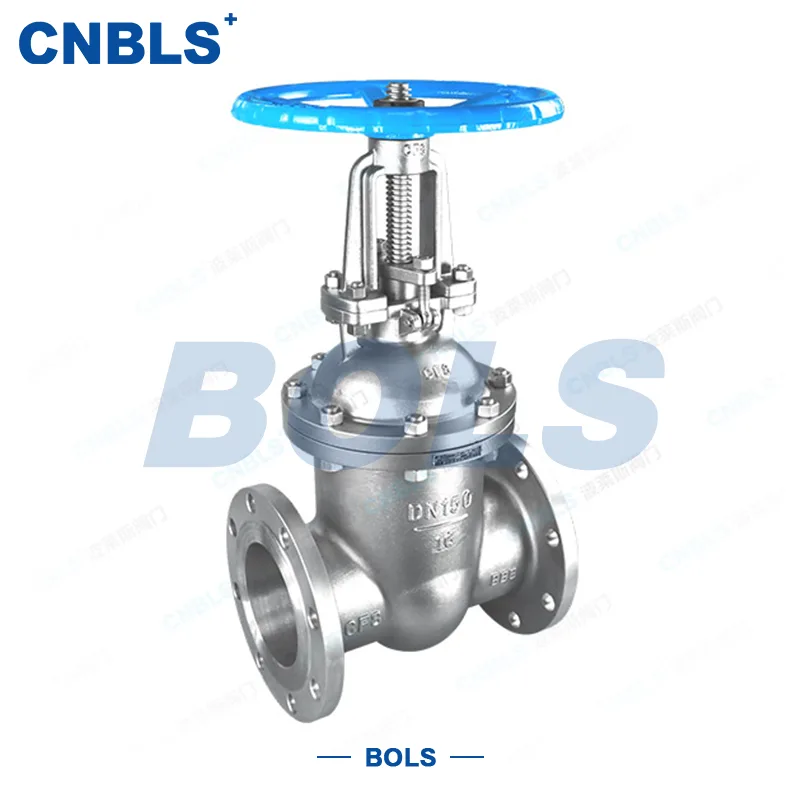
GB Flange Gate Valve
Bolaisi is a trustworthy manufacturer that makes sturdy GB Flange Gate Valves with low fluid resistance and reliable hard sealing. This valve is used for pipeline on-off control only, not flow regulation. As a responsible supplier, it provides various actuation choices, and you can cooperate with this manufacturer for valves fit for industrial and municipal use.
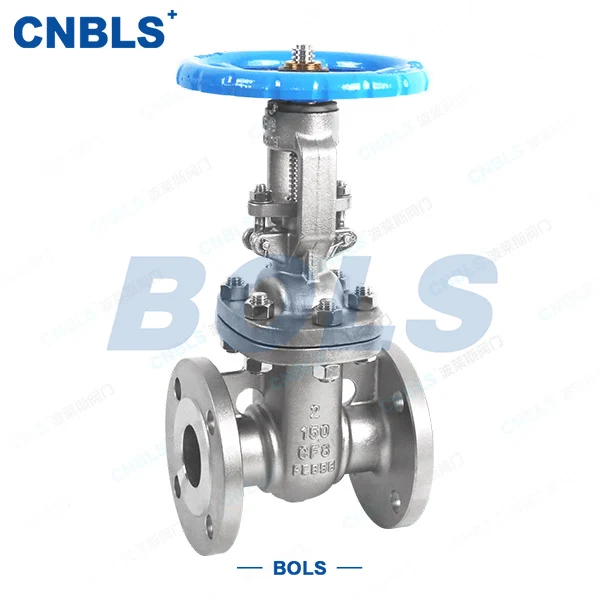
ANSI Flanged Gate Valve
Bolaisi produces durable, high-sealing industrial valves that work stably in harsh conditions. Its ANSI Flanged Gate Valve is a flange-connected valve for on-off control and flow regulation. As a professional supplier, we provide this valve in various models, and our manufacture ensures reliable quality for industrial, energy and municipal use.
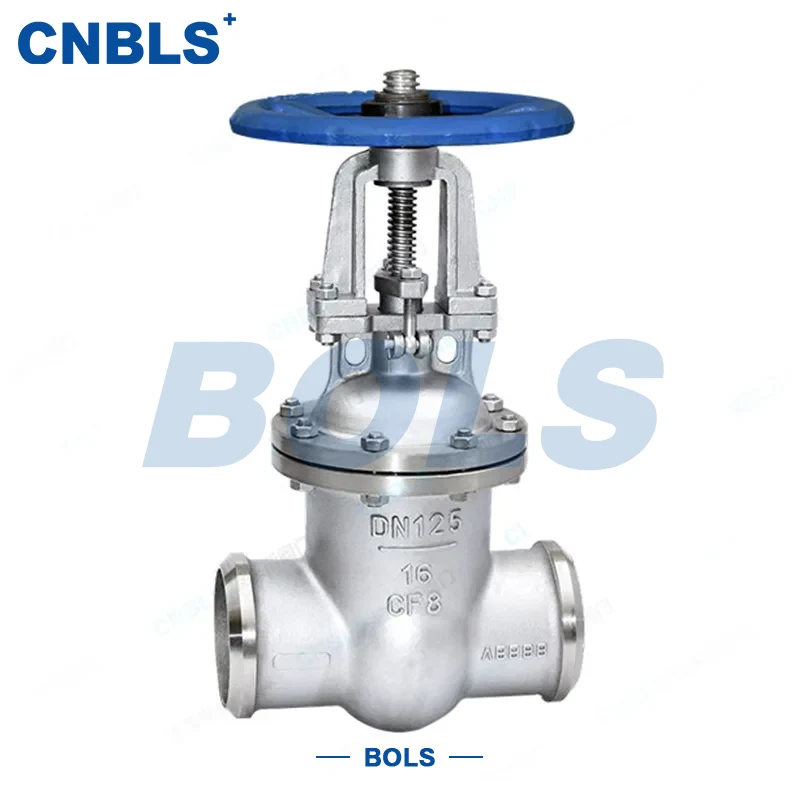
Stainless Steel Forged Steel Butt Welding Gate Valves
As a reliable manufacturer with strict quality control, Bolaisi specializes in producing high-pressure forged steel valves using advanced forging and hardfacing technology. We supply Stainless Steel Forged Steel Butt Welding Gate Valves, featuring integral forged bodies, Stellite overlay seals and excellent high-temperature resistance. We offer customized pressure classes and wholesale services to meet harsh industrial working conditions.
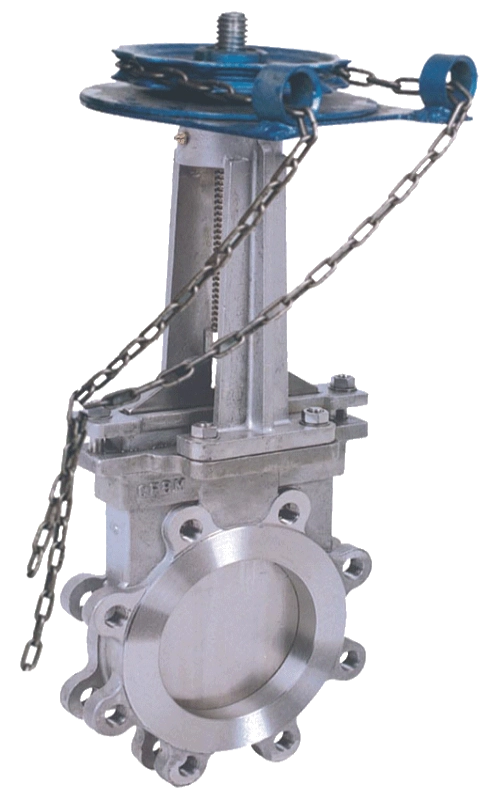
Stainless Steel Sprocket Wafer Knife Gate Valves
With advanced production technology and strict quality control, Bolaisi is a professional supplier focusing on impurity-containing media valves. We manufacture Stainless Steel Sprocket Wafer Knife Gate Valves, which adopt labor-saving sprocket drive, anti-clogging design and corrosion-resistant stainless steel. We provide customized specifications and wholesale services to meet the needs of industrial impurity-containing media pipelines.
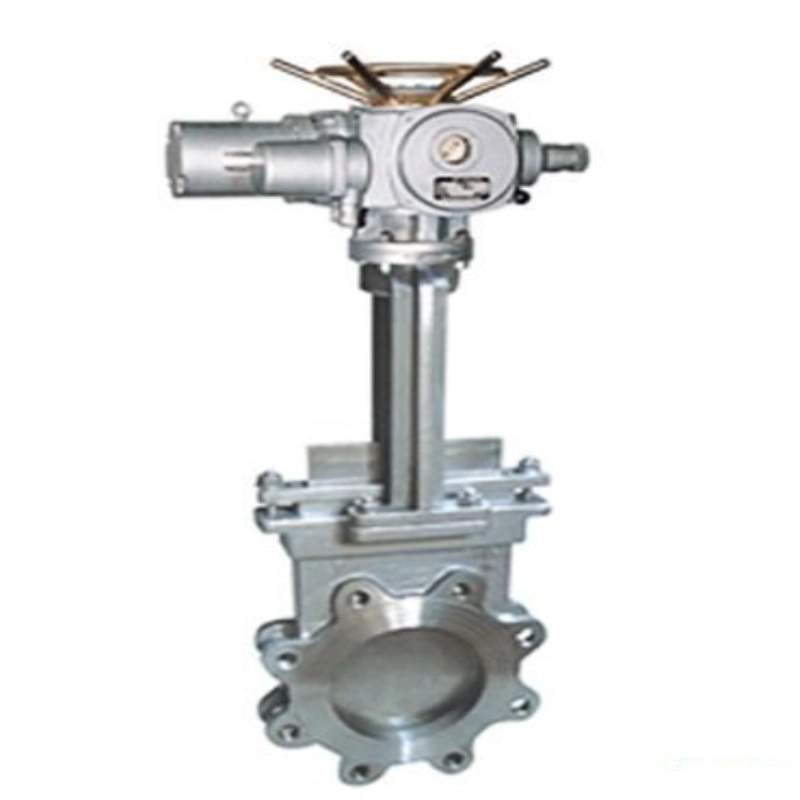
Stainless Steel Electric Wafer-Type Knife Gate Valves
Bolaisi, a reliable valve supplier with strict quality management, specializes in producing valves for complex media scenarios. We manufacture Stainless Steel Electric Wafer-Type Knife Gate Valves, which have a compact structure, anti-clogging design and strong corrosion resistance. We offer advanced electric control options, customized solutions and wholesale services to meet industrial slurry and particle-containing media needs.
Gate Valve from Bolaisi offer premium quality with quick delivery and flexible customization. Contact us today for a free sample and competitive quotation!