
API Stainless Steel Ball Valves
Bolaisi Valve boasts reliable quality and advanced production capacity in industrial valve manufacturing. offers excellent corrosion resistance and sealing. As a professional supplier, we provide wholesale and customized services, making it a trustworthy choice for buyers in oil, gas and chemical sectors.
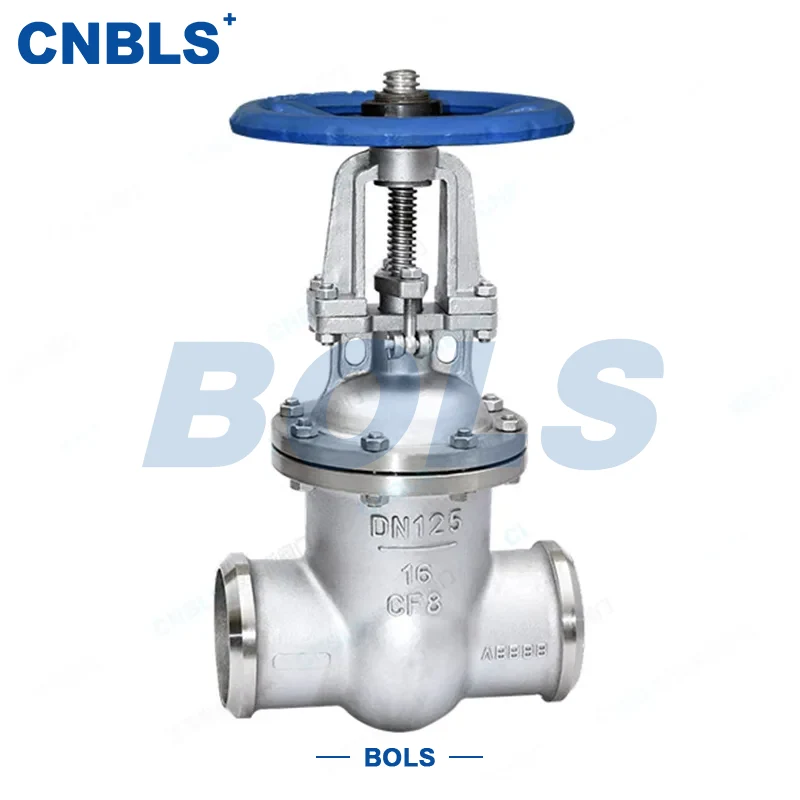
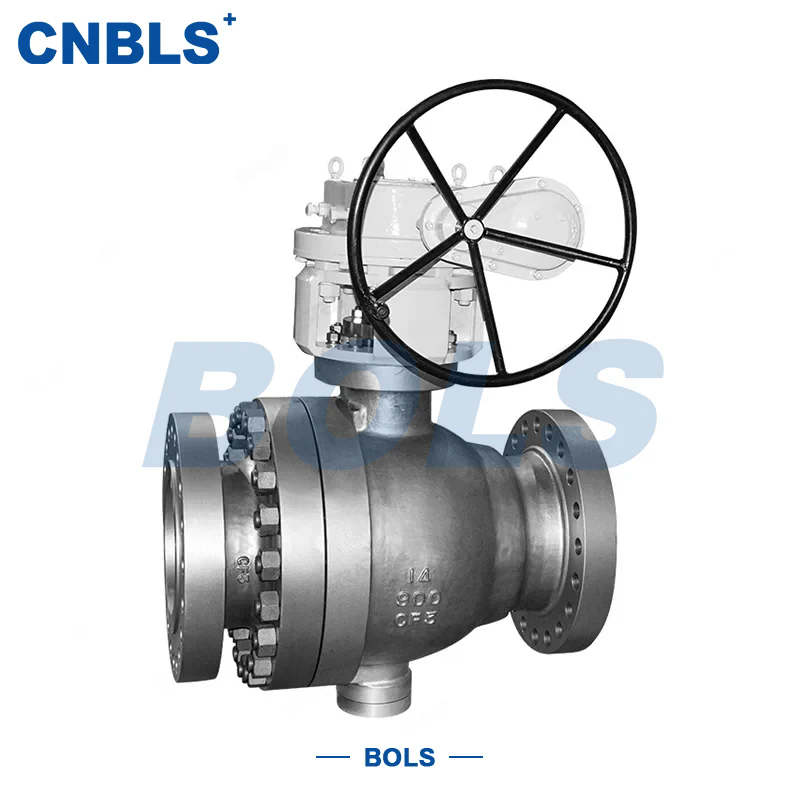
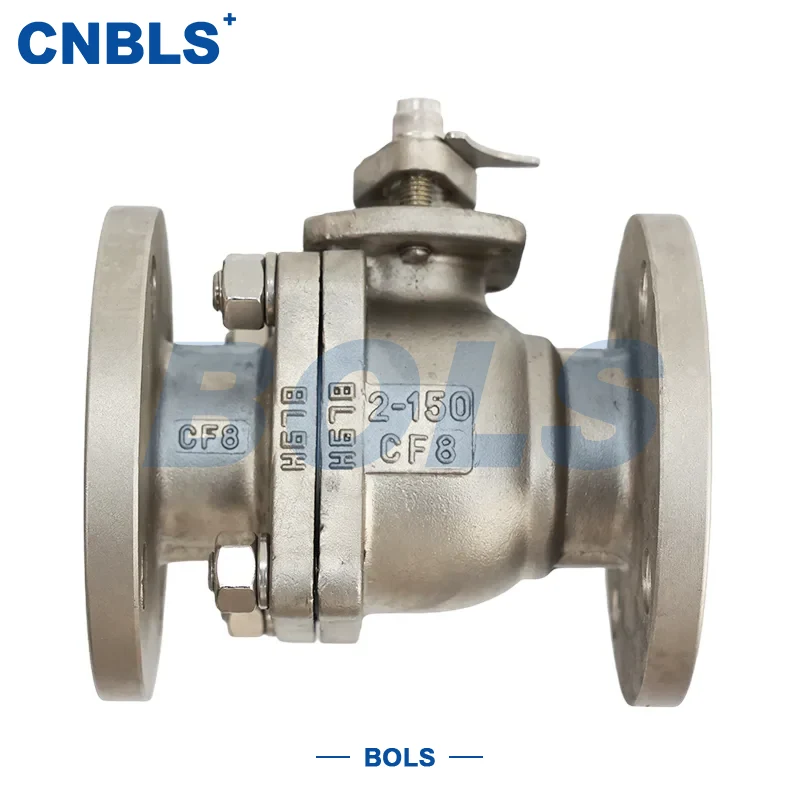
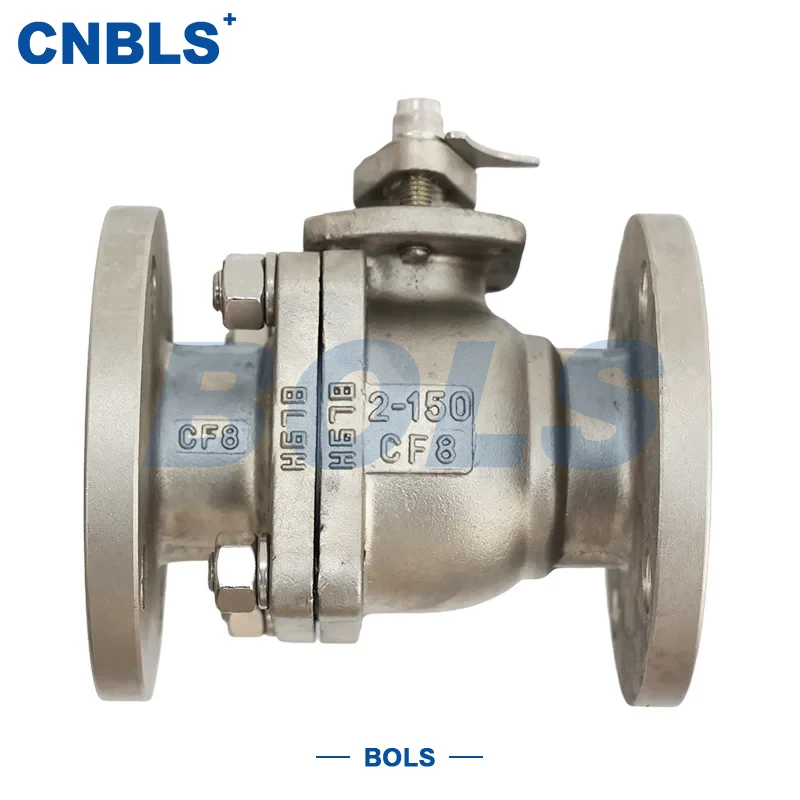
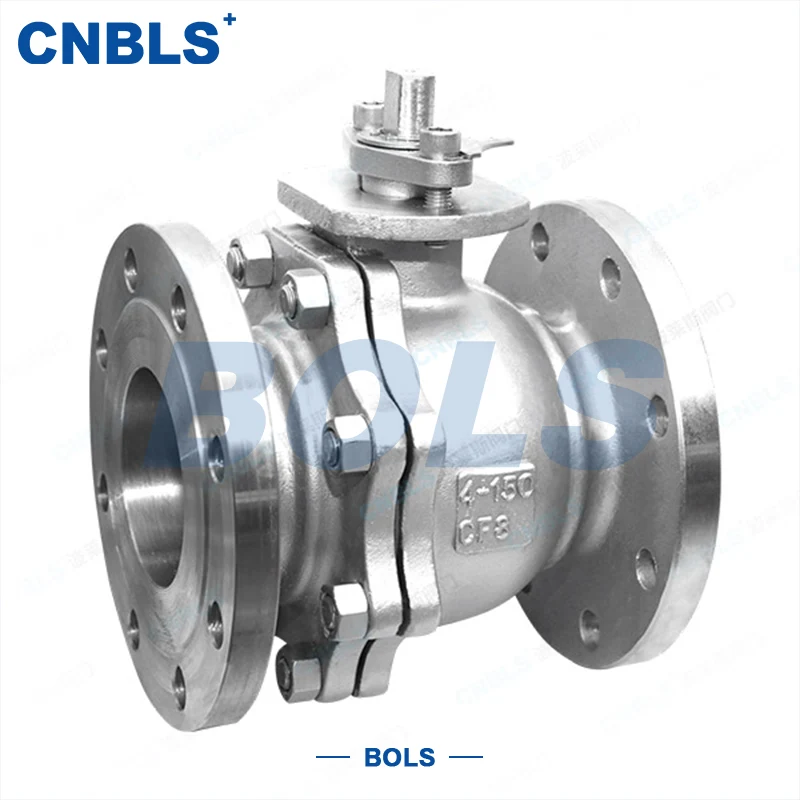
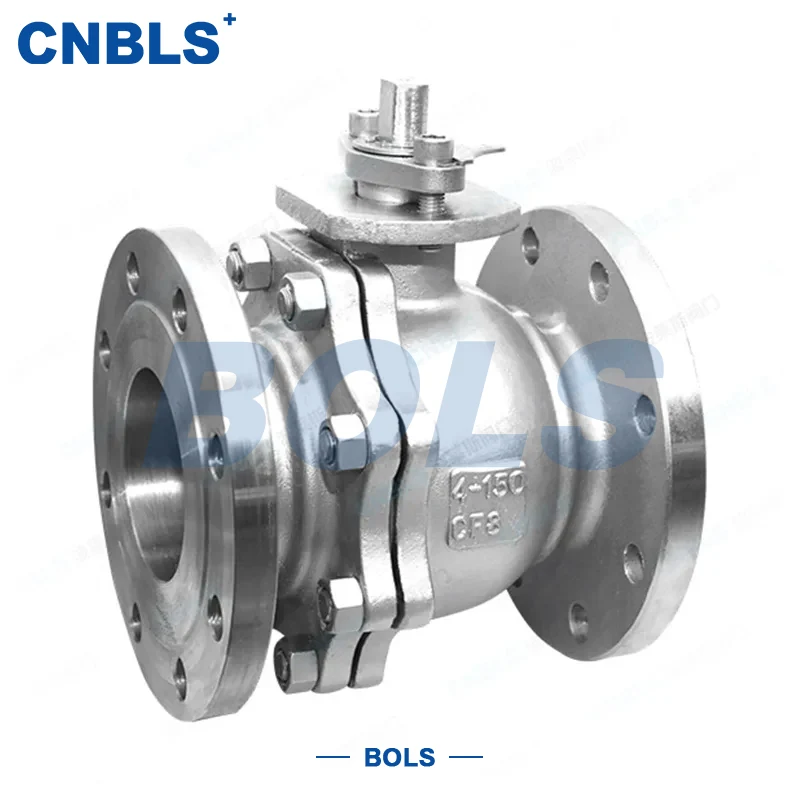
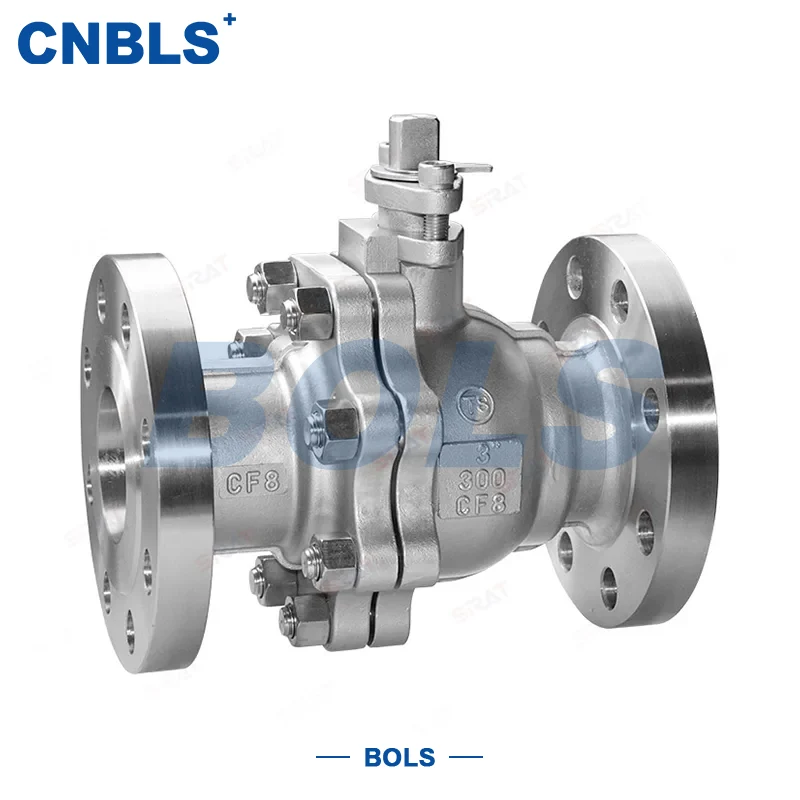
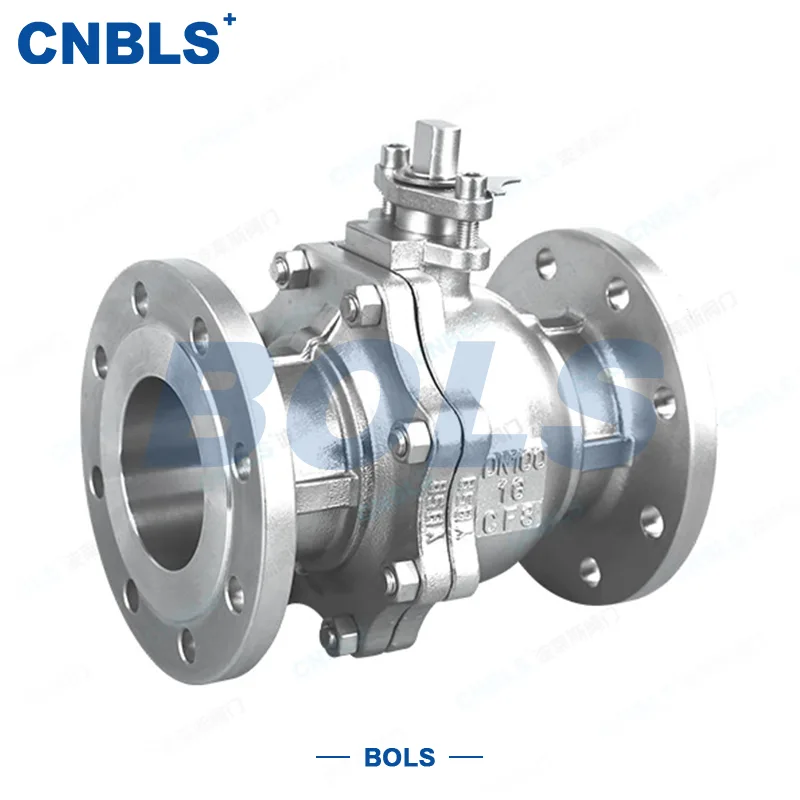
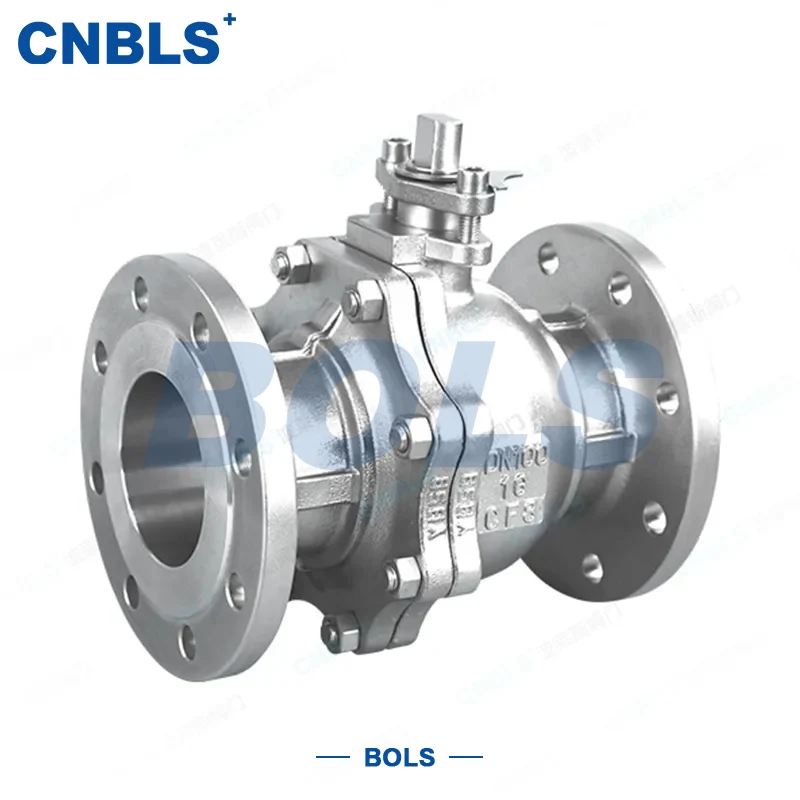
The API Stainless Steel Ball Valves is a full-port ball valve manufactured from materials such as 304, 316, 304L, 316L, and 2205 duplex stainless steel. The valve achieves rapid shut-off and opening of media through ball rotation, with the ball and stem connected via an integral or high-strength structure to ensure stability under high-pressure and frequent operation conditions.
Featuring fire resistance, hydrogen sulfide (H₂S) resistance, high pressure endurance, and superior sealing performance, this type of valve is suitable for high-risk working conditions such as oil, natural gas, chemical engineering, and long-distance oil & gas transmission pipelines.
In sulfur-containing media, high-pressure pipelines, and continuous operation systems, the API Stainless Steel Ball Valves balance the corrosion resistance of stainless steel materials with the stringent safety requirements specified in API standards.
Key Features
Strict Compliance with API Pipeline Standards
The core design, manufacturing, and testing processes of the valve are executed in accordance requirements. It can also be configured fire-safe structures based on project needs, meeting the mandatory regulatory requirements for safety valves in oil and gas systems.
All-Stainless Steel Corrosion-Resistant Structure
The valve body, stem, and connecting parts are all made of stainless steel or duplex stainless steel. This construction maintains long-term stable mechanical properties in humid, chloride-containing, weak acid-alkali, or sulfur-containing environments, reducing maintenance frequency.
Full-Port Flow Passage with Low Pressure Loss
The full-port or reduced-port full-bore flow passage design effectively minimizes media resistance, making it suitable for long-distance transmission systems—especially for working conditions requiring high flow stability, such as crude oil and natural gas transportation.
Multiple Seal Options Available
Depending on media characteristics, temperature, and pressure conditions, the valve can be configured with either soft-seal or metal hard-seal structures, ensuring reliable sealing performance across normal, low, high, and high-pressure temperature environments.
Flexible Actuator Configuration
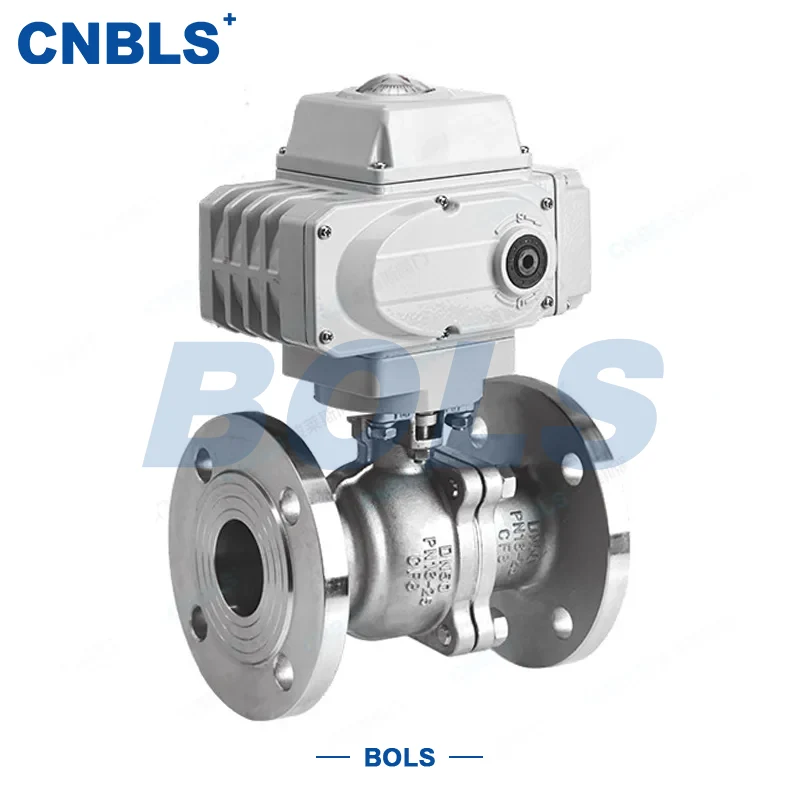
It supports multiple actuation modes including manual, pneumatic, electric, and hydraulic, facilitating system integration and remote control, and is ideal for automated pipelines and unmanned stations.
Structure & Core Attributes
|
Item |
Description |
|
Structure Type |
Integral/separable ball structure, full-port flow passage |
|
Connection Type |
Flange; Butt Weld |
|
Seal Type |
Soft-seal (PTFE/RPTFE); Metal hard-seal (Stellite or nickel-based alloy overlay welding) |
|
Actuation Mode |
Manual, Pneumatic, Electric, Hydraulic |
|
Pressure Class |
Class 150 ~ Class 2500 |
|
Nominal Diameter |
NPS 1/2" ~ NPS 48" |
|
Temperature Range |
-29°C ~ 200°C |
Materials of Main Stainless Steel Components
|
Component |
Common Materials |
Application Description |
|
Valve Body |
CF8 / CF8M / CF3 / CF3M / 2205 |
Selected based on medium corrosivity and pressure class |
|
Ball |
Same as valve body / Stellite overlay welding |
Suitable for high-temperature, high-pressure, or abrasive working conditions |
|
Stem |
F304 / F316 / F51 / C276 |
Recommended for sulfur-containing or high-pressure systems |
|
Seat |
PTFE / Metal hard-seal / Graphite |
Matched to operating temperature and media type |
|
Fasteners |
Stainless steel |
Material compatibility with valve body to prevent galvanic corrosion |
Summary of Technical Parameters
|
Parameter |
Value |
|
Nominal Diameter |
NPS 1/2" – NPS 48" |
|
Pressure Class |
Class 150 / 300 / 600 / 900 / 1500 / 2500 |
|
Leakage Rating |
Class VI (soft-seal) / Class V (metal hard-seal) |
|
Fire Rating |
Compliant with API 6FA / API 607 |
|
Suitable Media |
Crude oil, natural gas, sulfur-containing gas, steam, chemical media |
Applications
The API Stainless Steel Ball Valves is mainly used in industrial systems with high requirements for safety, sealing performance, and reliability, including:
● Long-distance oil and natural gas transmission pipelines
● Onshore oil and gas gathering systems
● Oil refining and petrochemical plants
● Hydrogen sulfide (H₂S)-containing media transmission systems
● High-pressure and high-temperature process pipelines
● Offshore platforms and energy engineering projects
Selection Guidelines
1.Media Priority: For sulfur-containing or highly corrosive media, prioritize 316L or 2205 duplex stainless steel.
2.Standard Compliance: Confirm if API 6FA/607 fire-safe requirements are needed.
3.Pressure-Temperature Matching: For working conditions above 232°C, metal hard-seal is recommended.
4.Connection Type Confirmation: For long-distance transmission pipelines or high-pressure systems, butt weld connection is preferred.
5.Actuator Rationalization: For automated systems, pneumatic or electric actuators are recommended.
Operation & Maintenance Guidelines
1.Before commissioning, verify that the valve marking, standards, and material are consistent with pipeline design specifications.
2.Avoid rapid opening and closing under high-pressure conditions to prevent water hammer.
3.Regularly inspect stem seal and flange connection status.
4.For sulfur-containing working conditions, it is recommended to establish operation and maintenance records to ensure long-term traceability.
Related Category
Send Inquiry
Contact Info
-
Address
638 Binhai 9th Road, Longwan District, Wenzhou City, Zhejiang Province, China
-
Tel
-
Email
For inquiries about our products or pricelist, please leave your email to us and we will be in touch within 24 hours.
News Recommendations