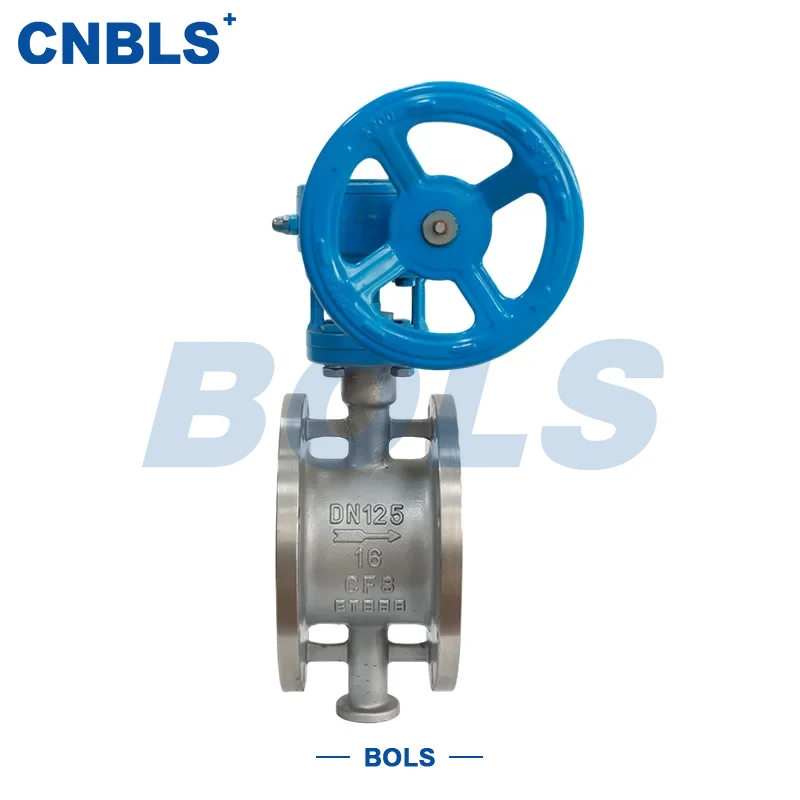
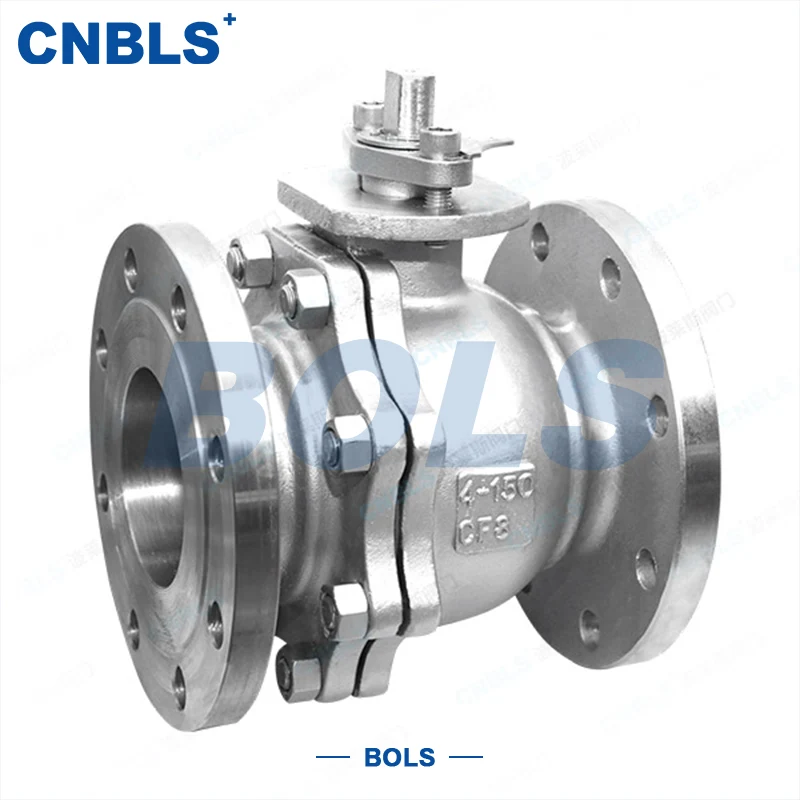
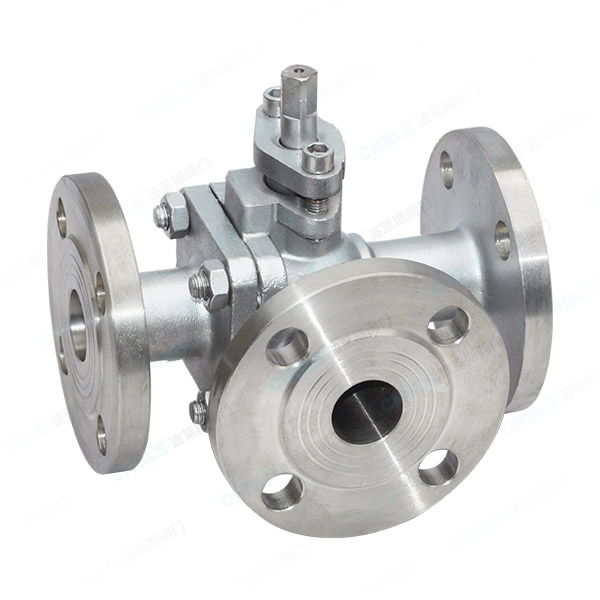
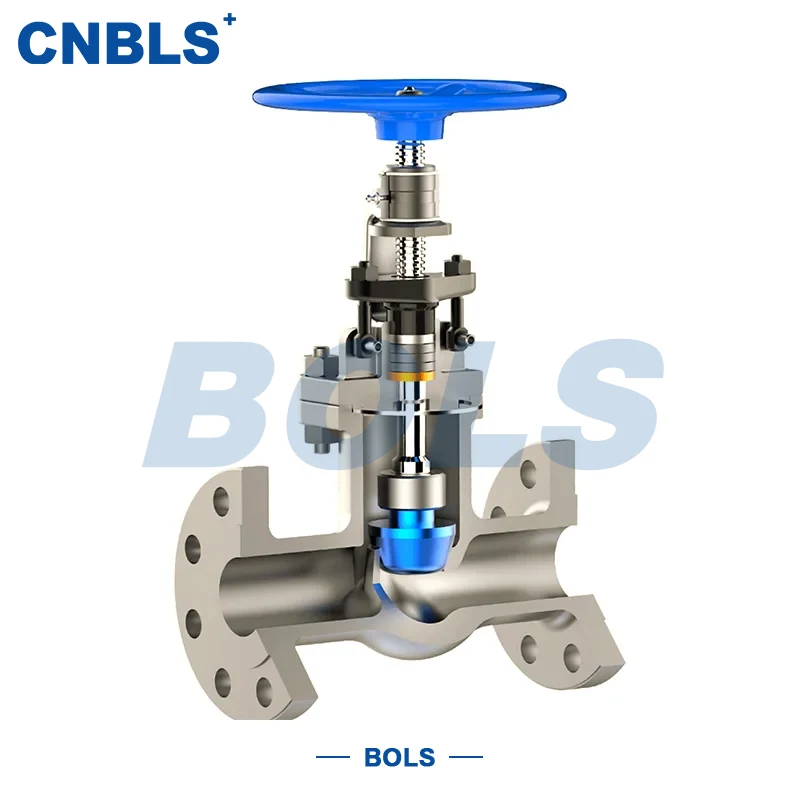
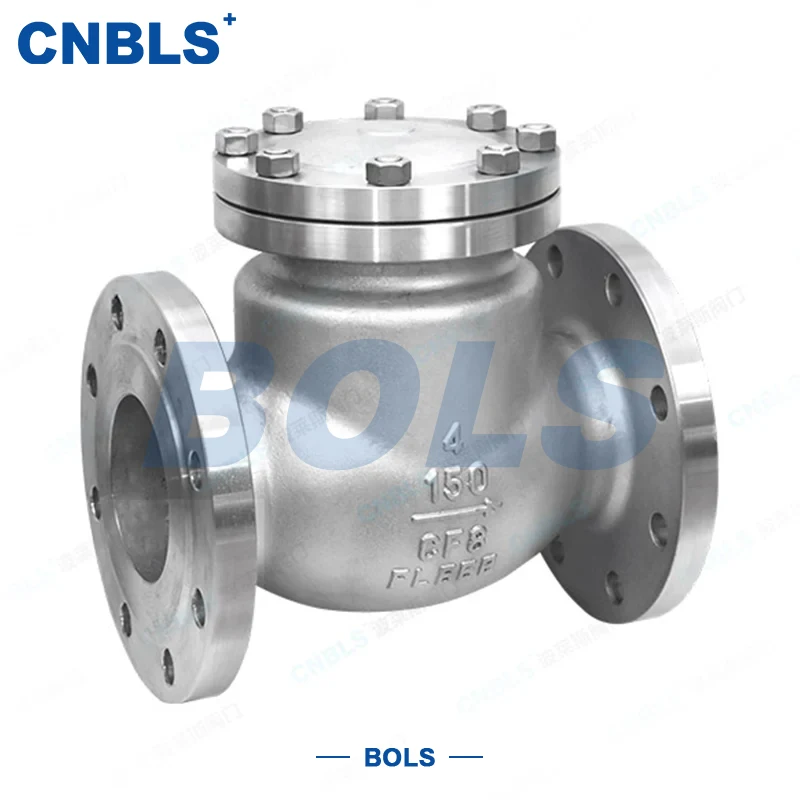
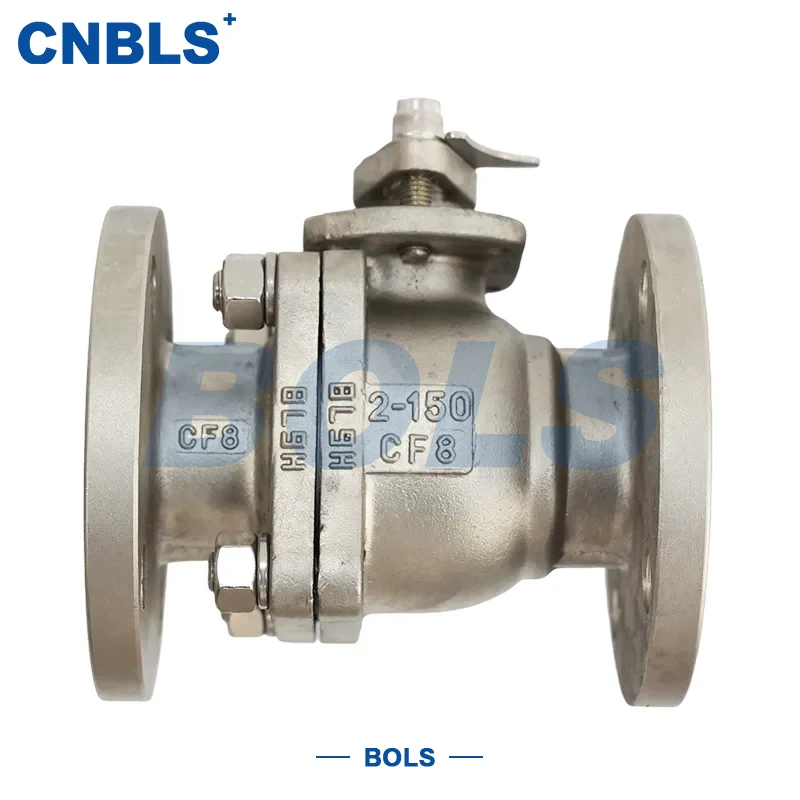
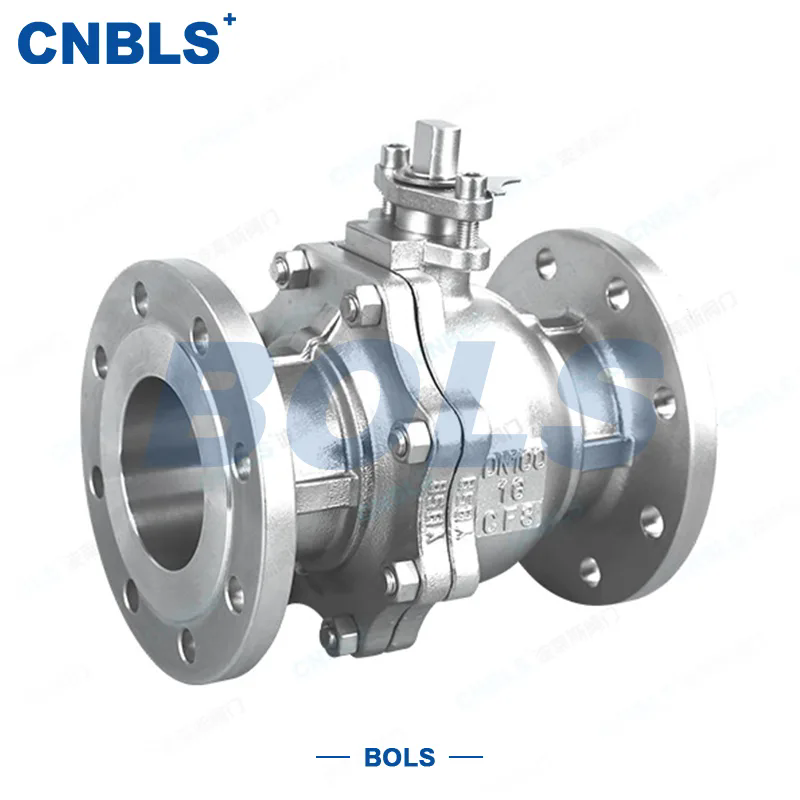
To assist global customers in accurately matching working conditions, avoiding selection risks and cutting engineering operation & maintenance costs, this article elaborates on the material properties, applicable temperature ranges, compatible media and selection standards of the most commonly used valve materials for foreign trade engineering. It covers mainstream materials including carbon steel, low-temperature carbon steel, standard stainless steel, ultra-low carbon stainless steel and duplex steel.
1. WCB Common Carbon Cast Steel (ASTM A216 WCB)
WCB is the most widely adopted and cost-effective conventional cast steel for foreign trade applications, and the primary choice for water, oil product, steam and gas projects.
Material Properties:
Good overall toughness, stable strength and high pressure resistance. After normalizing heat treatment, it features a uniform internal structure with minimal porosity and shrinkage defects. It boasts excellent weldability and machinability. Without chromium, nickel or molybdenum alloy elements, it offers moderate cost and reliable comprehensive performance.
Applicable Temperature Range:
-29℃ ~ 425℃
Compatible Working Conditions & Media:
Municipal water supply and drainage, circulating water, compressed air, conventional oil products, medium & low pressure steam, ambient-temperature gas and non-corrosive industrial fluids. Widely used in general chemical pipelines, power plant auxiliary systems, fire protection works, HVAC pipelines and general industrial equipment.
Restricted Applications:
Not suitable for cryogenic service, strongly corrosive media, seawater chloride environments, or high-pressure service above 425℃.
LCB is a dedicated valve body material engineered for low-temperature service, and the preferred carbon steel for low-temperature foreign trade projects and engineering in frigid regions.
Material Properties:
Exceptional low-temperature impact toughness. It resists brittle fracture and deformation under low temperatures, overcoming the low-temperature brittle failure risk of conventional WCB carbon steel, making it irreplaceable for low-temperature pipelines.
Applicable Temperature Range:
-46℃ ~ 345℃
Compatible Working Conditions:
Low-temperature clean water, cryogenic oil products, propane media, refrigeration systems, outdoor pipelines in cold regions and low-temperature oil & gas transmission projects.
Selection Notes:
LCB is not designed for long-term high-temperature service; its strength declines significantly above 345℃. WCB or alloy steel shall be prioritized for high-temperature projects.
CF8/304 stainless steel is a general anti-corrosion grade balancing cleanliness and basic corrosion resistance.
Material Properties:
Containing chromium-nickel alloys, it delivers strong rust prevention and oxidation resistance with a smooth surface and no medium contamination. It has superior machinability, polishing performance and high cleanliness.
Applicable Temperature Range:
-196℃ ~ 425℃
Compatible Media:
Clean water, purified water, steam, air, weak acids & alkalis, common clean chemical media. Applied in food-grade scenarios, water treatment equipment and general anti-corrosion pipelines.
Application Scenarios:
Projects requiring high cleanliness, mild corrosion resistance, outdoor moistureproofing and anti-oxidation performance.
CF8M/316 stainless steel incorporates molybdenum on the basis of 304, serving as an upgraded material for corrosive chemical working conditions.
Material Properties:
Enhanced corrosion resistance against acids, alkalis and salt spray, with better seawater resistance than standard 304, alongside improved high-temperature stability.
Applicable Temperature Range:
-196℃ ~ 425℃
Compatible Working Conditions:
Seawater, brine, chloride-containing media, acetic acid, phosphoric acid, mildly acidic & alkaline chemical fluids, coastal high salt-spray environments and corrosive industrial pipelines.
Core Advantage for Foreign Trade:
CF8M is recommended first for overseas chemical, marine and coastal projects, effectively lowering the risk of corrosion and leakage in later operation.
CF3 and CF3M are ultra-low carbon stainless steel variants. Their extremely low carbon content effectively prevents intergranular corrosion caused by welding.
Material Advantages:
Excellent weldability, rust resistance and corrosion resistance, ideal for frequent welding, pipeline modification and high-cleanliness anti-corrosion engineering.
Applicable Temperature Range:
-196℃ ~ 425℃
Application Scenarios:
High-end water treatment, pharmaceutical equipment, fine chemical industry, high-purity media and imported supporting projects with strict limits on impurity precipitation.
6. 2507 Duplex Stainless Steel
2507 duplex stainless steel is a premium special material combining the merits of austenite and ferrite structures.
Material Properties:
High strength, superior pressure resistance and outstanding corrosion resistance. Its resistance to seawater, sulfide and high chloride corrosion far exceeds ordinary 316 stainless steel.
Applicable Temperature Range:
-196℃ ~ 425℃
Compatible Working Conditions:
Seawater desalination, offshore platforms, deep-sea pipelines, highly corrosive chemical processes, desulfurization & denitrification, severe acidic service and high-spec special foreign trade projects.
Selection Guidance:
It comes with a higher cost and shall only be adopted for extreme corrosion and demanding special working conditions; unnecessary for general service.
7. Quick Selection Summary of Common Materials
· General water, oil, steam and ambient-temperature common service → WCB
· Cryogenic refrigeration, frigid regions and -46℃ low-temperature engineering → LCB
· Clean media, basic rust prevention and general anti-corrosion → CF8 (304)
· Premium welding, high-purity media and intergranular corrosion prevention → CF3 / CF3M
· Extreme marine corrosion and special chemical desulfurization engineering → 2507 Duplex Steel
Precise material selection is the first safeguard for stable engineering operation. There is no universally optimal material for valves; only the most suitable one for specific working conditions.
Incorrect material selection may lead to valve body corrosion and perforation, sealing failure & leakage, low-temperature brittle fracture, high-temperature deformation, frequent maintenance and replacement, which substantially raise engineering costs and create potential safety hazards.
All valves from our company support spectrum testing to verify authentic materials, compliant specifications and traceable quality inspection. Customization is available to fit various global industrial engineering projects.
Going forward, we will keep sharing professional technical content to help global customers complete accurate material selection, purchase with confidence and achieve long-term reliable operation. We aim to deliver high-quality products, stable lead times and win-win foreign trade cooperation.
We use cookies to offer you a better browsing experience, analyze site traffic and personalize content. By using this site, you agree to our use of cookies. Privacy Policy