

How Do Chip-Type Stainless Steel Valves Improve Flow Control Reliability in Industrial Systems
Abstract
Chip-type stainless steel valves are compact, precision-engineered flow control components widely used in modern industrial systems where stability, corrosion resistance, and space efficiency are critical. This article explains how these valves work, why they are preferred across demanding industries, and what technical advantages they offer over conventional valve structures. It also addresses common selection challenges, maintenance considerations, and real-world application scenarios to help engineers and procurement teams make informed decisions.
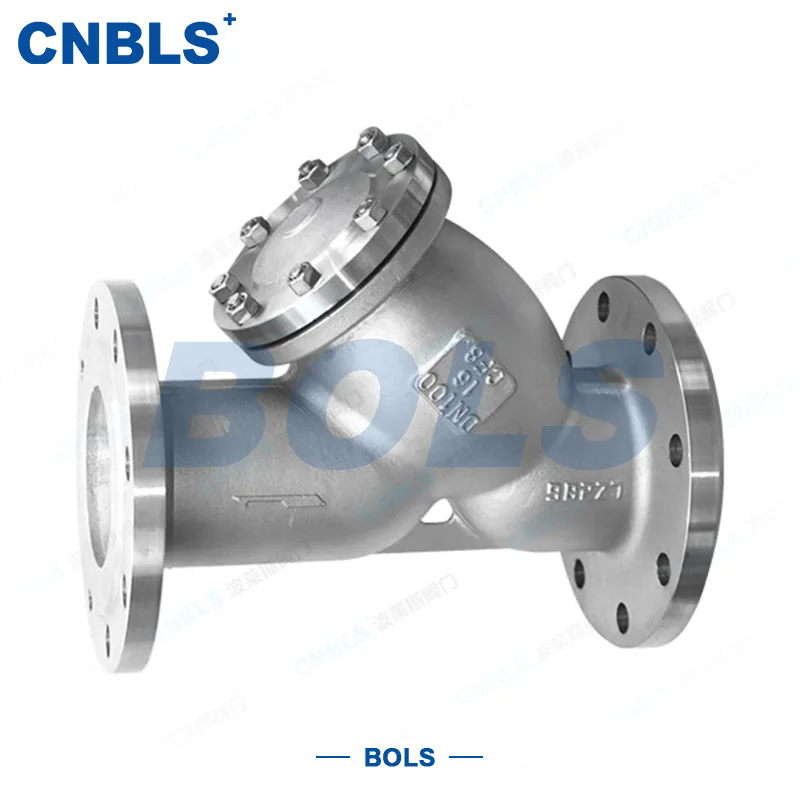
Table of Contents
- Introduction
- What Are Chip-Type Stainless Steel Valves?
- Structure and Material Engineering
- How They Work
- Key Advantages
- Industrial Applications
- Selection Guide
- Maintenance and Service Life
- Common Problems and Solutions
- FAQ
- Conclusion and Contact
Introduction
In fluid control systems, even minor inefficiencies in valve design can lead to pressure instability, leakage risks, and long-term operational costs. As industries move toward higher precision and automation, chip-type stainless steel valves have become a preferred solution due to their compact geometry and high-performance sealing capability.
Unlike traditional bulky valve assemblies, these components integrate streamlined internal flow paths and corrosion-resistant stainless steel construction, making them particularly suitable for environments involving chemicals, high pressure, or temperature fluctuations.
What Are Chip-Type Stainless Steel Valves?
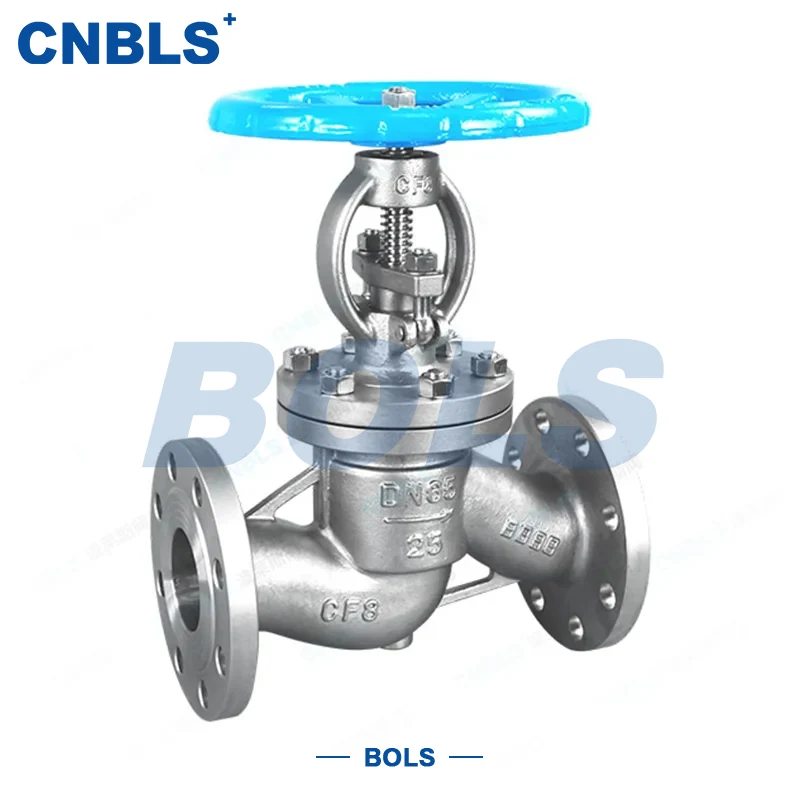
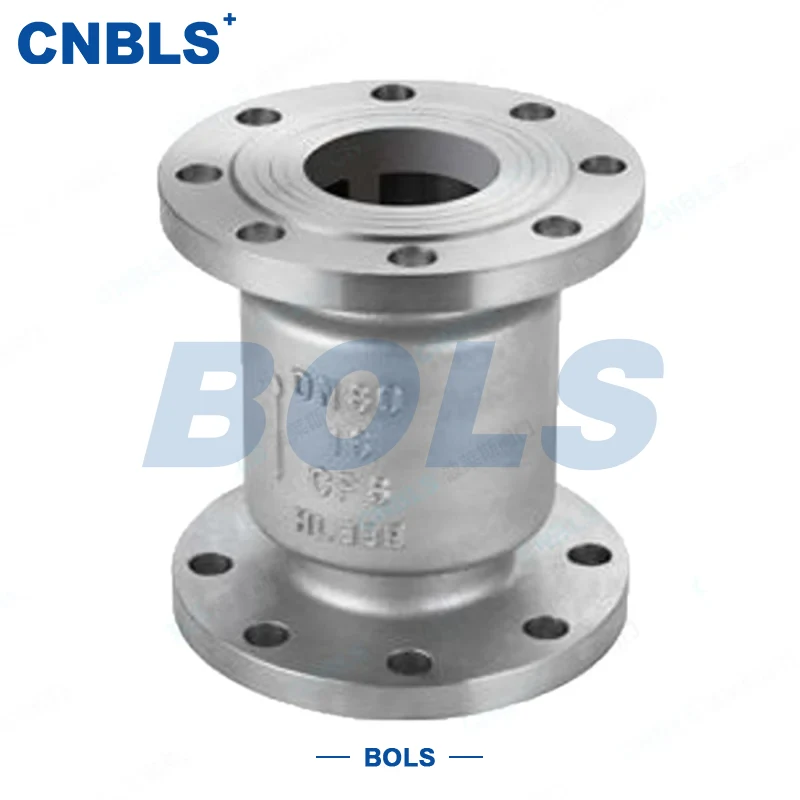
Chip-type stainless steel valves are compact flow control devices designed with a simplified internal structure that resembles a “chip-like” integrated block. They are typically manufactured from high-grade stainless steel such as 304 or 316, ensuring durability and resistance to corrosive media.
These valves are engineered to regulate, isolate, or redirect fluid flow in pipelines with minimal pressure loss. Their compact footprint makes them especially valuable in systems where installation space is limited but performance requirements remain high.
- Compact integrated structure
- High corrosion resistance stainless steel body
- Low internal flow resistance
- Suitable for automated and manual systems
Structure and Material Engineering
The structural design of chip-type stainless steel valves is centered around efficiency and reliability. Internally, the flow channel is optimized to reduce turbulence and minimize energy loss. The valve body is typically machined using precision CNC processes to ensure dimensional accuracy.
| Component | Material | Function |
|---|---|---|
| Valve Body | Stainless Steel 304/316 | Structural support and corrosion resistance |
| Sealing Element | PTFE / Elastomer | Leak-proof sealing under pressure |
| Actuator Interface | Metal Alloy | Connection to control systems |
| Flow Channel | Polished Stainless Steel | Ensures smooth fluid passage |
This engineered combination allows the valve to maintain performance stability even under aggressive working conditions.
How They Work
Chip-type stainless steel valves operate by controlling the opening and closing of an internal flow passage through a movable sealing mechanism. When the valve is activated, the actuator adjusts the position of the internal core, either allowing fluid to pass or blocking it completely.
The key to their efficiency lies in the minimal dead space inside the valve chamber. This reduces residue buildup and improves response time, especially in automated systems.
- Open state: Fluid passes with minimal resistance
- Closed state: Tight sealing prevents leakage
- Modulating state: Precise flow adjustment possible in advanced configurations
Key Advantages
The widespread adoption of chip-type stainless steel valves is driven by their performance advantages in demanding industrial environments.
- High corrosion resistance: Suitable for chemical and marine applications
- Compact design: Ideal for space-constrained systems
- Low pressure loss: Optimized flow channels reduce energy waste
- Long service life: Stainless steel construction enhances durability
- Stable sealing performance: Minimizes leakage risks
Compared with traditional valve types, chip-type structures offer improved integration and reduced maintenance frequency, making them cost-effective over time.
Industrial Applications
These valves are widely used across industries where precision and reliability are essential.
- Chemical processing systems
- Water treatment and filtration units
- Food and beverage production lines
- Pharmaceutical manufacturing equipment
- Industrial automation and pneumatic systems
In each of these environments, consistent flow control directly impacts production quality and operational safety.
Selection Guide
Choosing the right chip-type stainless steel valve depends on several engineering parameters. The following table outlines key selection factors:
| Factor | Consideration | Recommendation |
|---|---|---|
| Fluid Type | Corrosive, neutral, or high-purity media | Use 316 stainless steel for aggressive fluids |
| Pressure Rating | System operating pressure | Select valves with safety margin above max pressure |
| Temperature | Thermal operating range | Ensure seal compatibility with temperature range |
| Automation Level | Manual or automated control | Choose actuator-ready designs for automation |
Maintenance and Service Life
Although chip-type stainless steel valves are designed for durability, routine maintenance is still essential for optimal performance. Periodic inspection helps prevent unexpected failures and ensures consistent flow control.
- Regular sealing integrity checks
- Cleaning of internal flow channels
- Monitoring actuator response time
- Inspection for corrosion or wear
Proper maintenance can significantly extend service life and reduce downtime in industrial systems.
Common Problems and Solutions
Despite their advantages, improper selection or installation can lead to operational issues. Below are common challenges and practical solutions:
- Leakage: Often caused by seal degradation; solution is timely seal replacement.
- Flow restriction: May result from internal contamination; requires cleaning.
- Actuator delay: Check control system calibration and power supply stability.
- Corrosion spots: Use higher-grade stainless steel or protective coatings.
FAQ
Q1: What makes chip-type stainless steel valves different from traditional valves?
They offer a more compact structure with optimized internal flow paths, reducing pressure loss and improving installation flexibility.
Q2: Are these valves suitable for high-pressure systems?
Yes, when properly selected based on pressure rating and material grade, they perform reliably under high-pressure conditions.
Q3: Can they be used in corrosive environments?
Stainless steel construction, especially 316 grade, makes them highly resistant to corrosive media.
Q4: How often should maintenance be performed?
Maintenance frequency depends on operating conditions, but periodic inspection every 3–6 months is generally recommended.
Conclusion and Contact
Chip-type stainless steel valves represent a balance between compact engineering and high-performance fluid control. Their ability to maintain stable operation in demanding environments makes them a critical component in modern industrial systems.
Manufacturers like Bolaisi focus on delivering precision-engineered valve solutions that meet strict industrial requirements, ensuring long-term reliability and performance consistency across applications.
If your project requires durable, high-efficiency flow control components, Bolaisi offers a comprehensive range of chip-type stainless steel valves tailored to different operational needs.
Contact us today at Bolaisi to discuss your requirements and get expert technical support for your valve solutions.
Related News
- What Factors Determine the Pressure Rating of Stainless Steel Ball Valves?
- What Makes Ball Valves Essential for Water Treatment and Desalination Plants?
- Basic Knowledge of Industrial Valves
- How Does the Ball Valve Achieve Zero Leakage with Soft Seat Sealing Materials?
- What Makes Ball Valves the Preferred Choice for High-Pressure and High-Temperature Services?
- How does Ball Valve maintain tight sealing under high-temperature conditions?
Leave me a message


![[Breaking News] Poles Valves has obtained GB/T 19001-2026/ISO 9001:2015 international quality management system certification, marking another milestone in its commitment to quality!](https://www.bolaisivalves.com/upload/8609/2026041815344486470.jpg "[Breaking News] Poles Valves has obtained GB/T 19001-2026/ISO 9001:2015 international quality management system certification, marking another milestone in its commitment to quality!")
