
Stainless Steel Jacket Insulated Ball Valves
Bolaisi Valve excels in providing durable thermal insulation valves with professional manufacturing expertise. Its Stainless Steel Jacket Insulated Ball Valves ensures stable transmission of high-viscosity media. As a trusted supplier, we offer customized and wholesale solutions, catering to the needs of buyers in petrochemical, food and pharmaceutical industries.
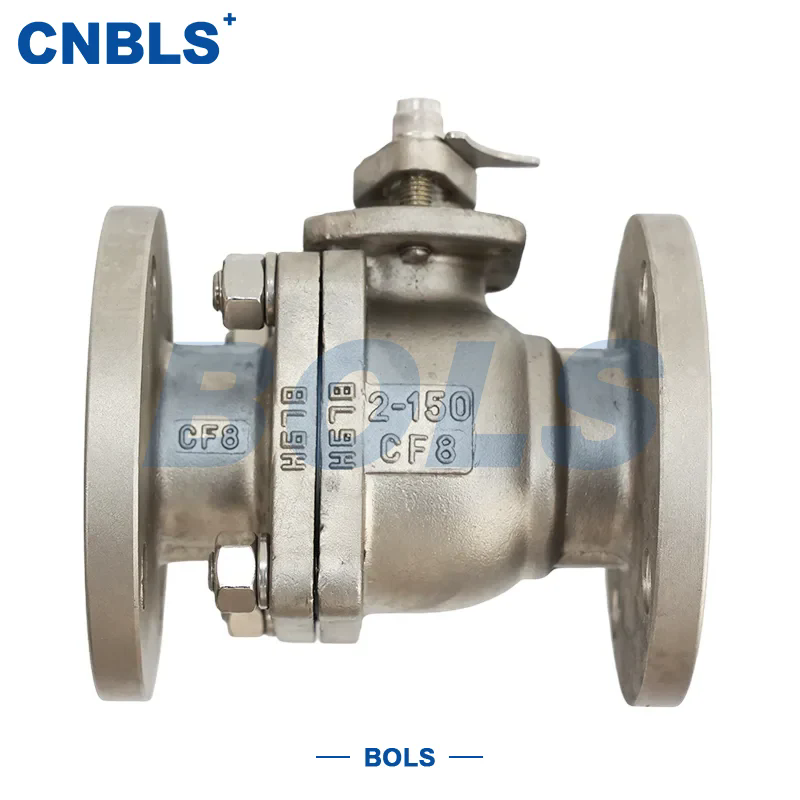
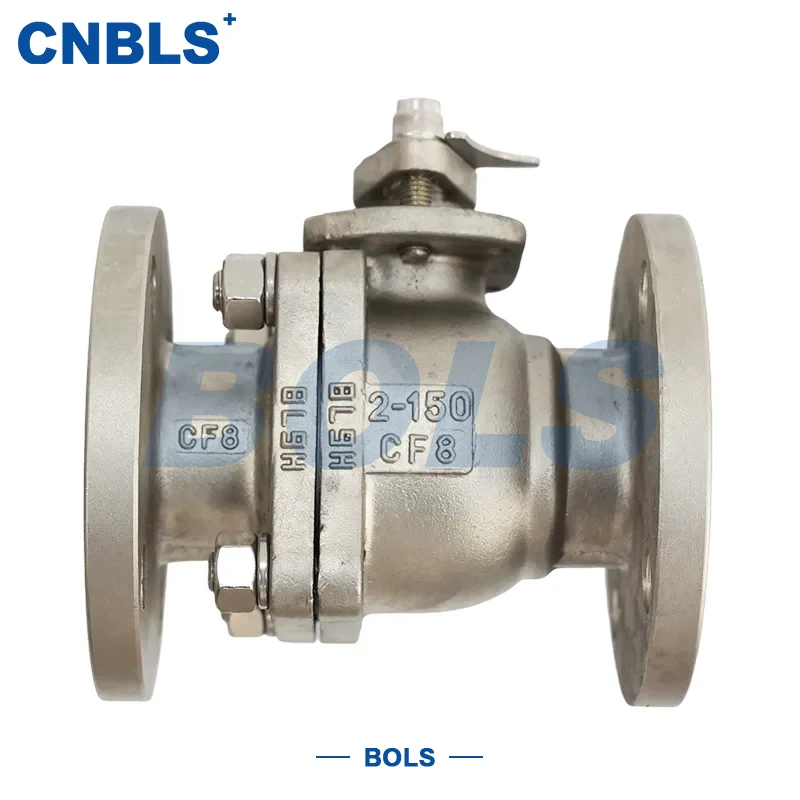
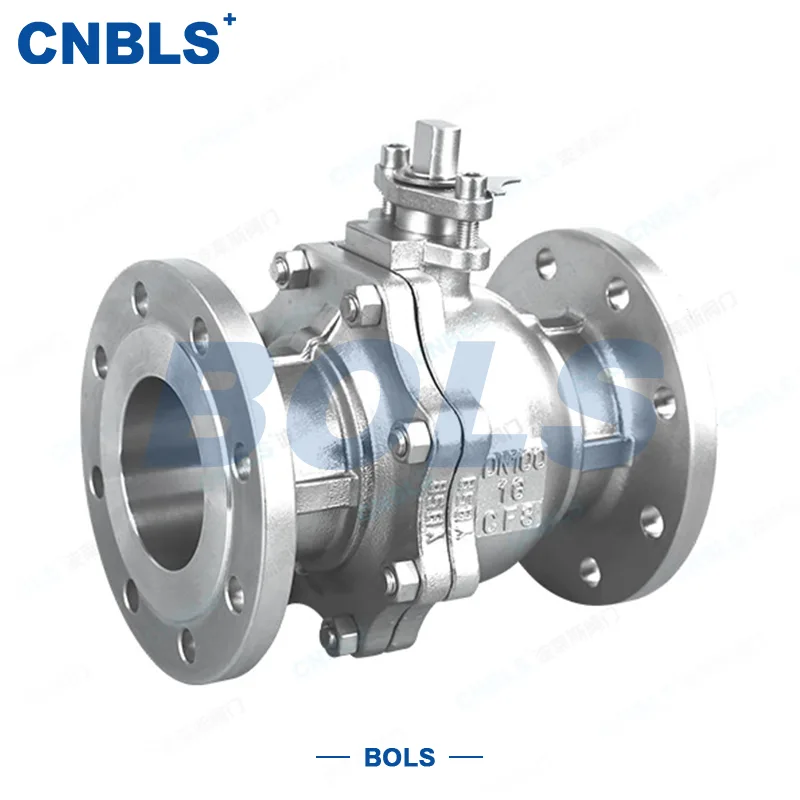
The Stainless Steel Jacket Insulated Ball Valves is a full-port floating ball valve specially designed for high-viscosity, easily crystallizable, and solidifiable media. Both the valve body and jacket are entirely made of stainless steel. An independent jacket layer is added to the conventional ball valve structure, allowing steam, hot water, or heat transfer oil to be circulated through it for continuous insulation or heating of the media inside the valve cavity and flow passage.
With jacketed constant temperature control, the valve effectively prevents media from solidification, crystallization, or significant viscosity increase inside the valve due to temperature drop, thereby ensuring flexible valve operation and uninterrupted system running. In the thermal insulation transmission systems of industries such as petrochemicals, chemical fibers, food, and pharmaceuticals, the jStainless Steel Jacket Insulated Ball Valves serves as one of the key control components.
Structure & Working Principle
Full-Port Floating Ball Structure
The valve adopts a floating ball design. Under the pressure of the medium, the ball forms a reliable seal with the valve seat. The full-port flow passage minimizes fluid retention and resistance, making it particularly suitable for the stable transmission of high-viscosity media.
Stainless Steel Jacketed Insulation Structure
An integral jacket layer is welded or machined on the exterior of the valve body, forming an independent insulation cavity between the jacket and the valve body for continuous circulation of the thermal insulation medium. Flange or threaded connections can be configured at the jacket inlet and outlet according to on-site conditions, facilitating connection to the thermal insulation pipeline.
Constant Temperature Control Logic
By adjusting the temperature and flow rate of the jacket medium, the medium inside the valve cavity is maintained within a set temperature range at all times, avoiding operational jamming or seal failure. This structure enables the Stainless Steel Jacket Insulated Ball Valves to maintain stable performance even under intermittent operation or low ambient temperature conditions.
Key Product Features
Stable and Reliable Insulation Performance
The jacket structure covers the key areas of the valve body, featuring high heat exchange efficiency. It is suitable for working conditions where the medium’s freezing point is close to or higher than the ambient temperature.
All-Stainless Steel Corrosion-Resistant Design
The valve body, jacket, and main pressure-bearing components are all made of 304, 316, 304L, or 316L stainless steel, adapting to various corrosive or high-temperature insulation medium environments.
High Sealing Rating
The PTFE/RPTFE soft-seal structure, combined with the precision-machined ball, maintains a Class VI leakage rating even in the insulated state, reducing medium waste and system risks.
Controllable Operating Torque
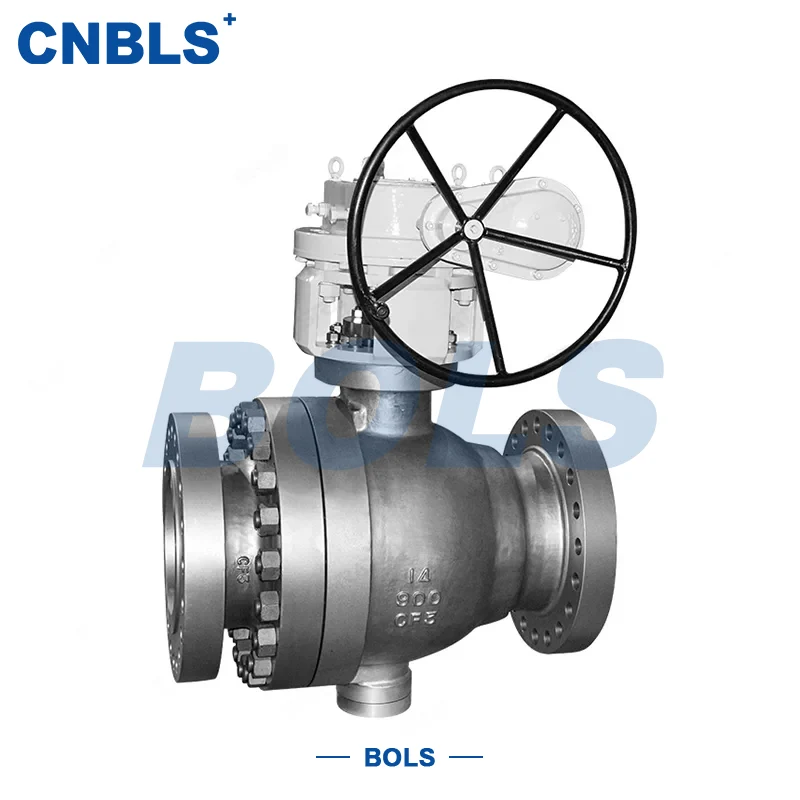
The floating ball structure, paired with the full-port flow passage design, effectively reduces operating resistance under high-viscosity medium conditions. For large-diameter specifications, a worm gear mechanism can be configured to enhance operational stability.
Core Technical Parameters
|
Parameter Item |
Parameter Range |
|
Nominal Diameter |
DN 15 – DN 200 (NPS 1/2" – 8") |
|
Pressure Class |
PN 10 / 16 / 25; Class 150 / 300 |
|
Valve Body Connection |
Flange |
|
Jacket Connection |
Flange / Threaded |
|
Drive Mode |
Handwheel / Worm Gear |
|
Medium Temperature Inside Valve |
50°C – 300°C |
|
Jacket Medium Temperature |
≤ 350°C |
|
Seal Type |
PTFE / RPTFE / Filled PTFE |
|
Leakage Rating |
Class VI |
|
Insulation Medium |
Steam / Hot Water / Heat Transfer Oil |
Material Configuration of Main Components
|
Component |
Material Options |
Application Description |
|
Valve Body / Jacket |
CF8 / CF8M / CF3 / CF3M |
Matched to insulation working conditions with different corrosion levels |
|
Ball |
Stainless steel (same as valve body) |
Ensures consistent thermal expansion |
|
Stem |
A182 F304 / F316 / F304L / F316L |
Adapts to insulation and opening-closing cycles |
|
Valve Seat |
PTFE / RPTFE / Filled PTFE |
Selected according to temperature range |
|
Fasteners |
Stainless steel |
Temperature and corrosion resistant |
Applications
This series of Stainless Steel Jacket Insulated Ball Valvess is mainly used in industrial systems with high requirements for medium temperature sensitivity and transmission continuity, including but not limited to:
● Petrochemical industry: Heavy oil, asphalt, and resin transmission
● Chemical fiber industry: Chemical fiber slurry and polymer melt
● Food industry: Syrup, chocolate, and vegetable oil
● Pharmaceutical industry: Intermediates and high-viscosity reactants
● Printing and dyeing & fine chemical industry: Liquid media requiring constant temperature control
Selection & Configuration Guidelines
Medium Characteristics Priority
Clarifying the medium’s freezing point, viscosity change curve, and corrosivity is the key basis for selecting the valve body material and jacket type.
Temperature & Seal Matching
When the temperature of the medium inside the valve exceeds 232°C, filled PTFE seals should be prioritized to ensure long-term sealing stability.
Jacket Connection Configuration
For continuous operation systems, flange connections are recommended for jacket ports to facilitate maintenance and improve sealing reliability.
Operation Method Selection
For specifications above DN50 or high-viscosity working conditions, configuring a worm gear drive can significantly enhance the on-site operation experience.
Operation & Maintenance Guidelines
1.Before commissioning, preheat the valve by circulating the insulation medium through the jacket first; avoid direct opening and closing of high-viscosity media in the cold state.
2.Continuously monitor the jacket temperature and pressure during operation to prevent local overheating.
3.Regularly inspect the jacket connections, flanges, and stuffing box for leaks.
4.Before long-term shutdown, drain the jacket medium and clean the valve cavity to prevent residual medium from solidifying.
Related Category
Send Inquiry
Contact Info
-
Address
638 Binhai 9th Road, Longwan District, Wenzhou City, Zhejiang Province, China
-
Tel
-
Email
For inquiries about our products or pricelist, please leave your email to us and we will be in touch within 24 hours.
News Recommendations