
How Do Stainless Steel Ball Valves Work?
Abstract: Stainless steel ball valves are widely used in industrial systems due to their durability, corrosion resistance, and reliable sealing performance. This article provides a comprehensive explanation of how stainless steel ball valves function, their structural components, advantages, selection criteria, and common application challenges. It is designed to help engineers, procurement specialists, and project managers make informed decisions when selecting and maintaining these valves.
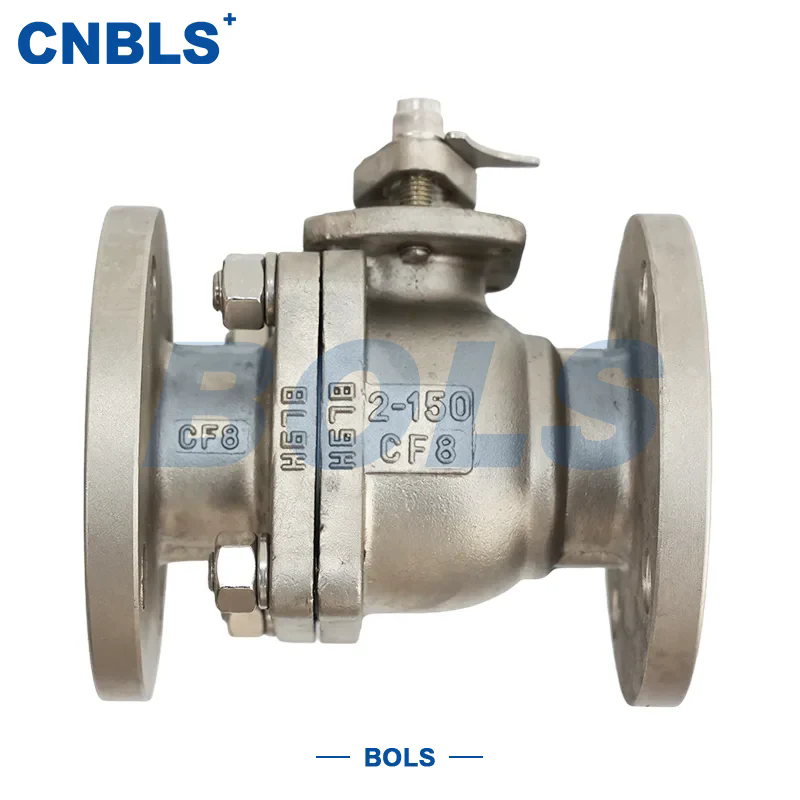
Table of Contents
- 1. Overview of Stainless Steel Ball Valves
- 2. Working Principle
- 3. Key Components and Structure
- 4. Key Advantages
- 5. Common Applications
- 6. How to Choose the Right Valve
- 7. Maintenance and Troubleshooting
- 8. Technical Parameters
- 9. Frequently Asked Questions
- 10. Conclusion
1. Overview of Stainless Steel Ball Valves
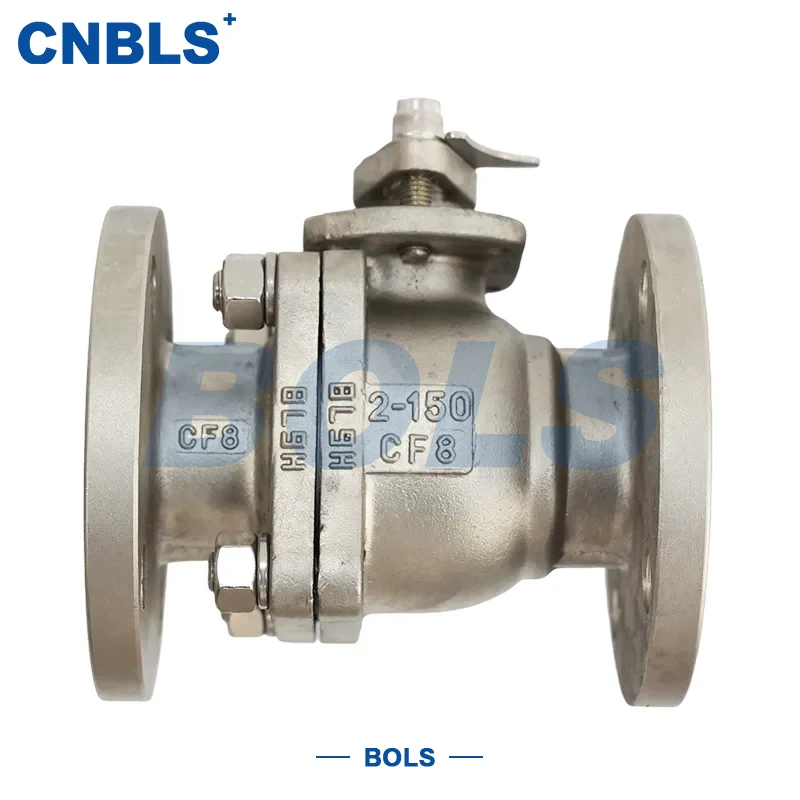
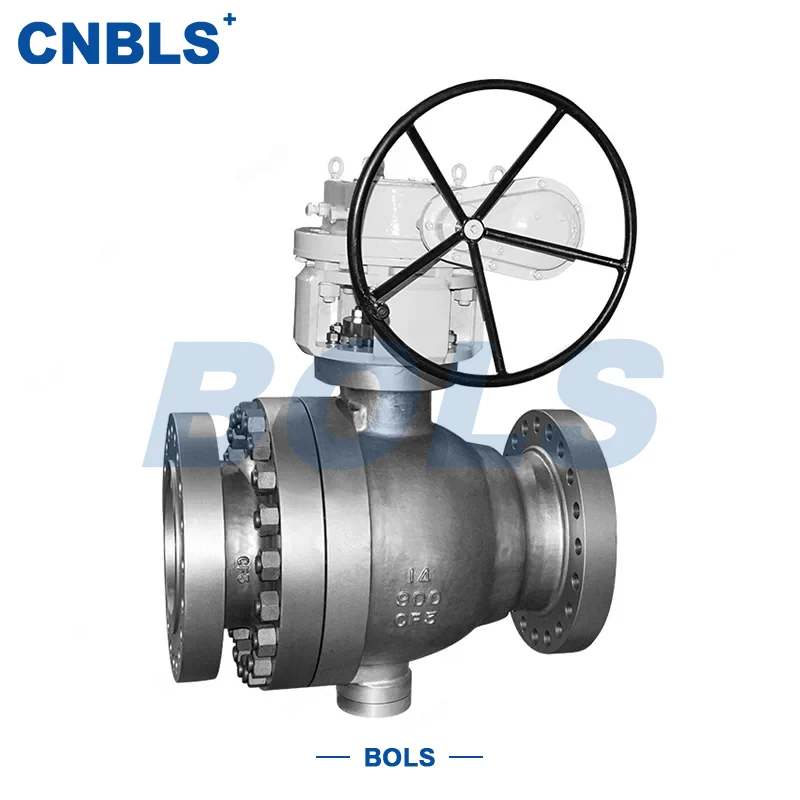
Stainless steel ball valves are quarter-turn valves designed to control fluid flow using a rotating spherical disc (the ball). These valves are widely utilized in industries such as oil & gas, chemical processing, water treatment, and food-grade systems due to their excellent resistance to corrosion and high pressure.
The primary appeal of stainless steel ball valves lies in their robust construction and long service life. Compared to other materials, stainless steel offers superior resistance to rust, scaling, and chemical degradation, making it ideal for demanding environments.
2. Working Principle
The working mechanism of stainless steel ball valves is based on a simple yet highly effective design. Inside the valve body, a hollow ball with a central bore rotates to control the flow of fluid.
- When the valve handle is turned 90 degrees, the ball rotates.
- If the bore aligns with the pipeline, fluid flows freely.
- If the bore is perpendicular to the pipeline, flow is completely blocked.
This quick quarter-turn operation ensures fast opening and closing, which is especially beneficial in emergency shut-off situations.
The tight sealing is achieved through seats made of PTFE or other resilient materials that press against the ball surface, preventing leakage even under high pressure.
3. Key Components and Structure
Understanding the internal structure is essential for proper selection and maintenance. The main components include:
- Valve Body: Typically made of stainless steel (304 or 316), providing structural strength.
- Ball: A precision-machined sphere with a bore.
- Seats: Soft sealing materials ensuring leak-proof operation.
- Stem: Connects the handle to the ball for rotation.
- Handle or Actuator: Manual or automated control mechanism.
Advanced designs may include anti-static devices, fire-safe structures, and blowout-proof stems to enhance safety and reliability.
4. Key Advantages
Stainless steel ball valves provide several performance benefits that address common industry pain points:
- Corrosion Resistance: Suitable for harsh chemical environments.
- High Durability: Long service life with minimal wear.
- Excellent Sealing: Near-zero leakage performance.
- Low Maintenance: Simple structure reduces maintenance costs.
- Fast Operation: Quarter-turn control improves efficiency.
These advantages make them a preferred choice for critical applications where reliability is non-negotiable.
5. Common Applications
Due to their versatility, stainless steel ball valves are widely used in multiple industries:
- Oil and gas pipelines
- Chemical processing plants
- Water and wastewater treatment
- Food and beverage production
- Pharmaceutical manufacturing
In sanitary environments, polished stainless steel valves are essential to maintain hygiene standards and prevent contamination.
6. How to Choose the Right Valve
Selecting the correct stainless steel ball valve requires careful evaluation of several factors:
- Material Grade: Choose between 304 and 316 depending on corrosion requirements.
- Pressure Rating: Ensure compatibility with system pressure.
- Connection Type: Threaded, flanged, or welded connections.
- Valve Size: Match pipeline diameter.
- Operating Temperature: Verify material tolerance.
Companies like Bolaisi provide a wide range of stainless steel ball valves designed to meet diverse industrial needs, ensuring both performance and reliability.
7. Maintenance and Troubleshooting
Proper maintenance is essential to extend the service life of ball valves and prevent system failures.
- Regularly inspect seals and seats for wear.
- Ensure smooth operation of the handle or actuator.
- Check for leakage around the stem or body.
- Clean internal components if fluid contains debris.
Common issues include leakage, difficulty in operation, and corrosion. Most problems can be resolved through timely inspection and replacement of worn parts.
8. Technical Parameters
| Parameter | Description |
| Material | Stainless Steel 304 / 316 |
| Size Range | 1/4" to 12" |
| Pressure Rating | Up to 1000 PSI (depending on design) |
| Temperature Range | -20°C to 200°C |
| Connection Type | Threaded / Flanged / Welded |
| Seal Material | PTFE / RPTFE |
9. Frequently Asked Questions
Q1: Why choose stainless steel over brass or plastic?
Stainless steel offers superior corrosion resistance, higher strength, and better performance in extreme temperatures, making it suitable for industrial applications.
Q2: Can stainless steel ball valves handle high pressure?
Yes, most stainless steel ball valves are designed to withstand high-pressure systems, especially those with reinforced body construction.
Q3: How often should maintenance be performed?
Maintenance frequency depends on operating conditions, but periodic inspection every 6–12 months is generally recommended.
Q4: Are these valves suitable for food-grade applications?
Yes, stainless steel ball valves with proper polishing and certification are widely used in food and beverage industries.
10. Conclusion
Stainless steel ball valves are an essential component in modern fluid control systems, offering unmatched durability, reliability, and efficiency. Their simple design combined with high-performance materials ensures long-term operation with minimal maintenance.
For industries seeking dependable valve solutions, Bolaisi delivers high-quality stainless steel ball valves tailored to diverse operational requirements. Explore advanced designs and ensure your system operates at peak performance.
Contact us today to get expert guidance, customized solutions, and competitive pricing for your next project.
Related News
- What Factors Determine the Pressure Rating of Stainless Steel Ball Valves?
- What Makes Ball Valves Essential for Water Treatment and Desalination Plants?
- Basic Knowledge of Industrial Valves
- How Does the Ball Valve Achieve Zero Leakage with Soft Seat Sealing Materials?
- What Makes Ball Valves the Preferred Choice for High-Pressure and High-Temperature Services?
- How does Ball Valve maintain tight sealing under high-temperature conditions?
Leave me a message