Strict Quality Control, Building a Solid Brand Foundation
Revealing the Inspections Valves Undergo Before Leaving the Factory
Before reaching the market, every product undergoes multiple rounds of inspection and rigorous screening. This is not merely a formality—it is a commitment to customers and a testament to the company’s brand.
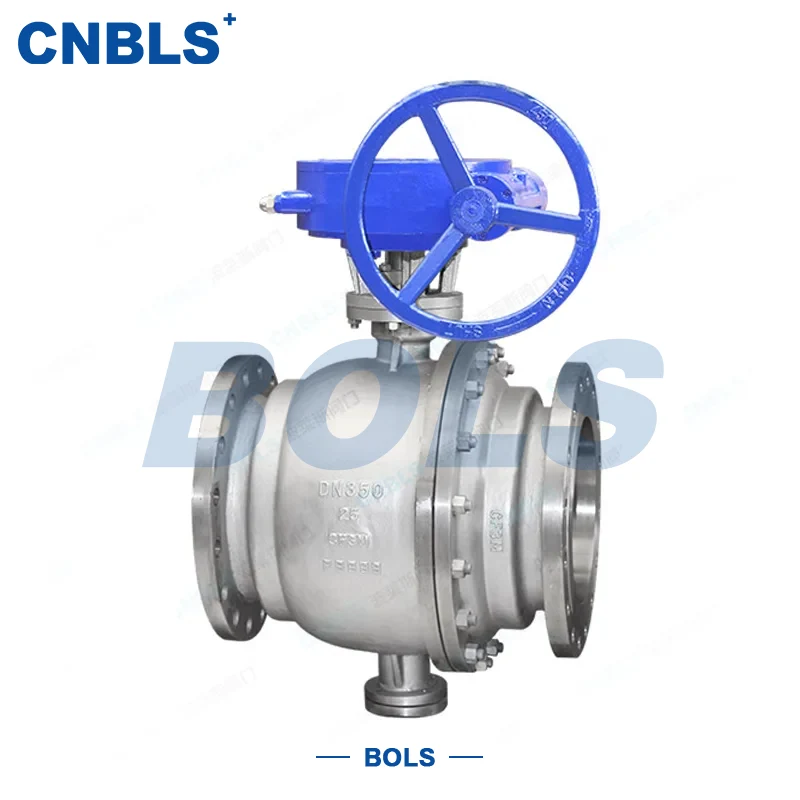
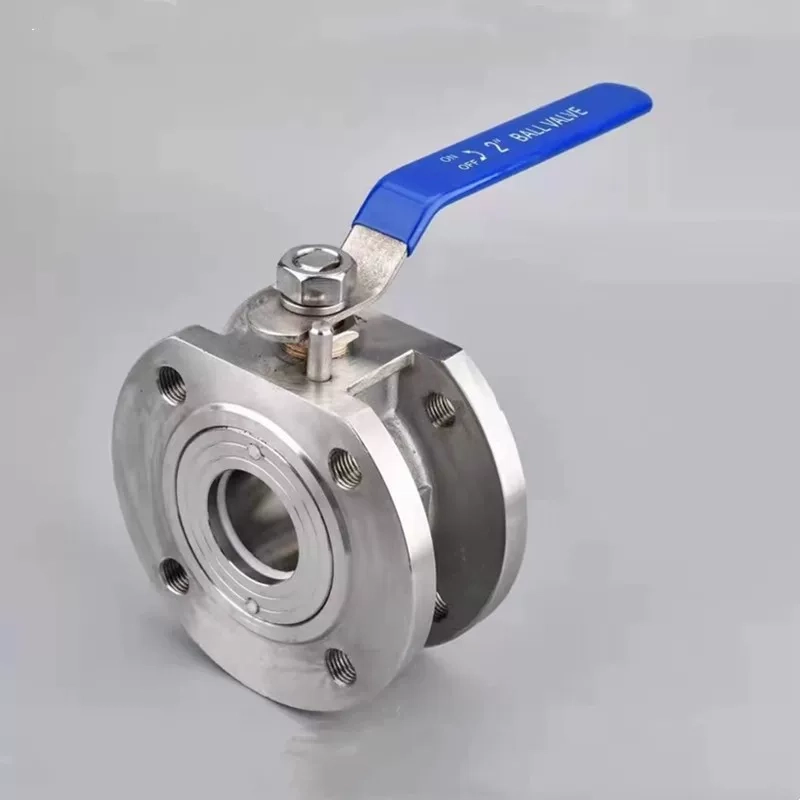
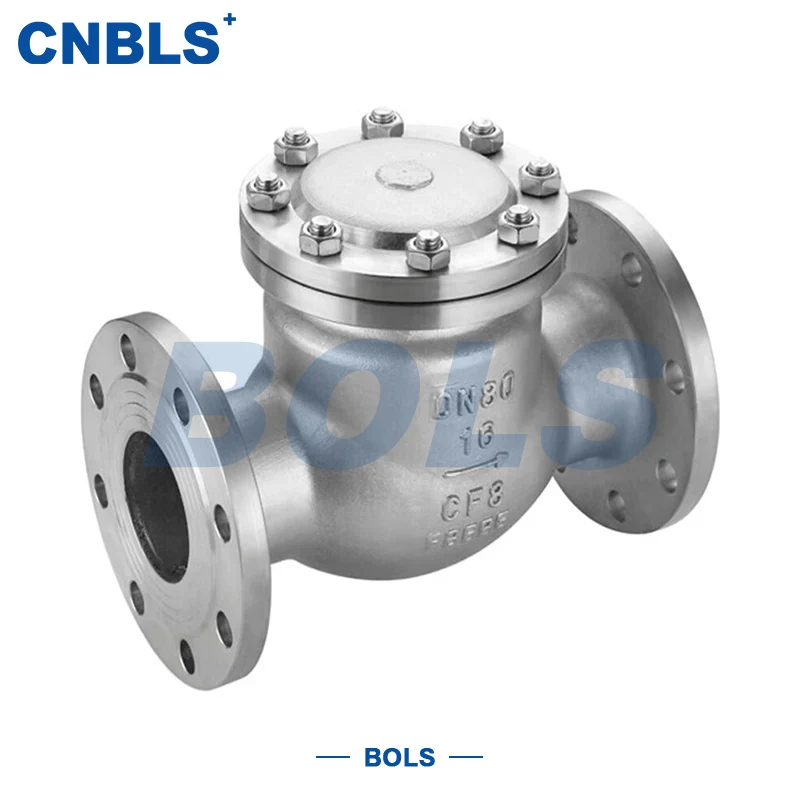
As core control components in fluid pipelines, valves are known as the "lifeline of pipelines." Widely used in industrial production, municipal engineering, energy transportation, and more, they regulate media flow, on/off switching, and pressure control—critical for ensuring the safe and stable operation of entire systems.
A high-quality valve relies not only on precision casting and machining but also on standardized, comprehensive pre-shipment testing. To prevent non-conforming products from reaching customers and ensure every valve matches its intended working conditions, Zhejiang Bolaisi Valve Co., Ltd. has established a complete, stringent pre-shipment inspection system—guaranteeing quality and reliability at every stage.
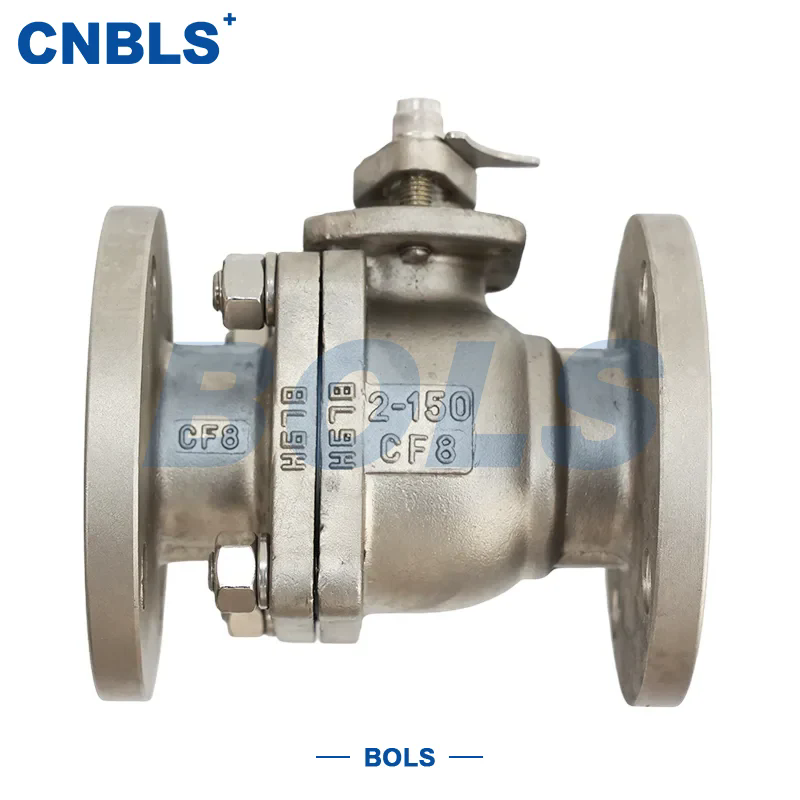
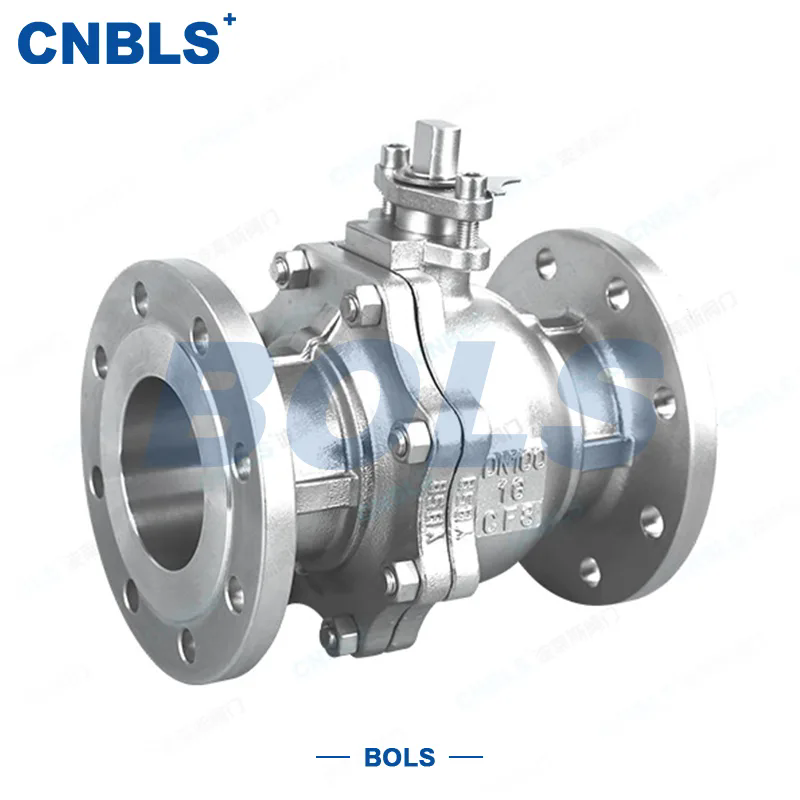
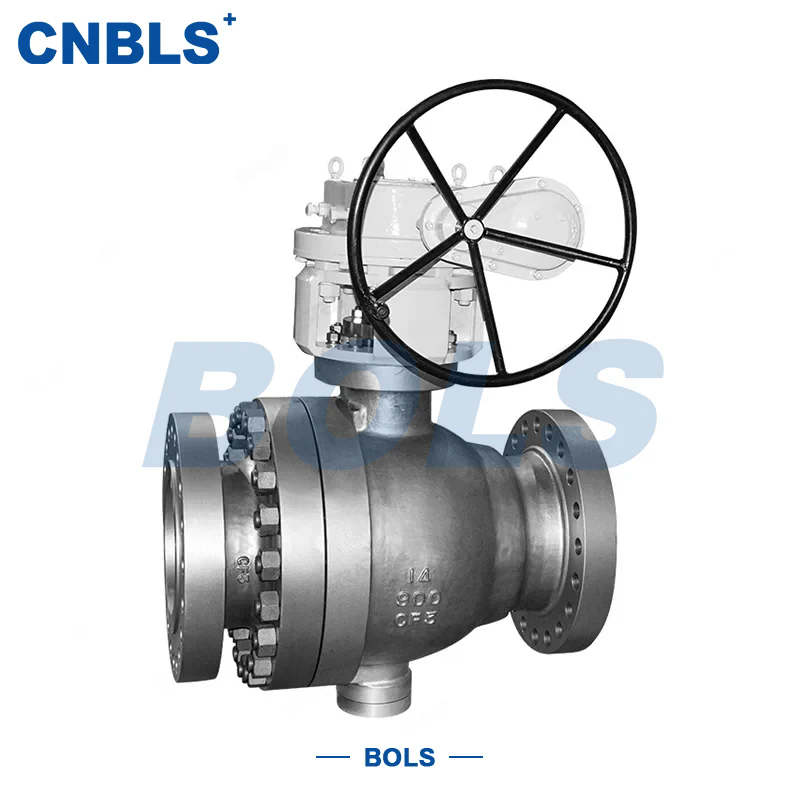
Visual inspection is the first checkpoint and a direct indicator of manufacturing craftsmanship. Our inspectors conduct a full visual audit of every valve, examining key components: body, bonnet, stem, flanges, and threads.
Key checks:
No sand holes, porosity, cracks, deformation, or rust on valve bodies.
Uniform, damage-free coatings (sandblasting, painting, galvanizing) with no peeling, chipping, or dents.
Accurate, legible nameplates (model, pressure rating, material, size, serial number) matching orders and drawings.
Precise dimensions directly impact on-site fit and sealing—even minor deviations can cause installation failure or leaks. Using high-precision tools, we verify critical dimensions against customer requirements and custom drawings.
Stem diameter, body wall thickness, and thread standard compliance
All tolerances are strictly controlled to ensure seamless compatibility with industrial piping, eliminating on-site fitting issues.
3. Material Spectroscopy: Preventing Substandard Materials
Material quality determines durability, corrosion resistance, and pressure/temperature performance. To eliminate material fraud, we conduct spectral analysis on all batches.
For common materials (WCB carbon steel, CF8/CF8M stainless steel, 304/316), our spectrometer verifies elemental composition, cross-references heat numbers and material reports, and prohibits mixed use of scrap or non-standard materials. Every valve’s material matches its order and working conditions—laying the foundation for long-term stability.
Smooth operation and accurate travel directly impact efficiency and performance. Every valve—manual, electric, or pneumatic—undergoes full-stroke testing.
Process:
Cycle fully open/closed repeatedly.
Check for jamming, looseness, or abnormal noise.
Verify precise positioning and limit switch accuracy.
This ensures responsive, reliable actuation even after frequent use—ideal for automated industrial systems.
Machining residues (metal shavings, sand, dust) can clog pipelines, damage seals, or contaminate media. Our dedicated cleaning station ensures:
Thorough removal of debris from cavities, flow paths, and bores.
Unobstructed flow and contaminant-free interiors.
8. Final Inspection & Documentation Review: Closing the Quality Loop
Before packaging, a comprehensive final inspection ensures:
Model, size, pressure rating, and material match orders.
Retest of pressure and performance data.
Complete documentation:
Certificate of Conformity, nameplate, material report, pressure test report, user manual.
Valves are then sealed, moisture-proofed, and securely packaged to prevent damage during transit—ensuring perfect delivery.
Quality: The Foundation of Our Brand
Rigorous pre-shipment testing defines our commitment to quality. From visual and dimensional checks to material verification, pressure testing, and final documentation, we uphold our principle: "Every valve tested, every performance verified."
Moving forward, we will continue optimizing inspection processes and upgrading precision equipment. With refined, standardized, professional quality control, we deliver high-quality, reliable industrial valves and one-stop fluid control solutions to global customers.
We use cookies to offer you a better browsing experience, analyze site traffic and personalize content. By using this site, you agree to our use of cookies. Privacy Policy