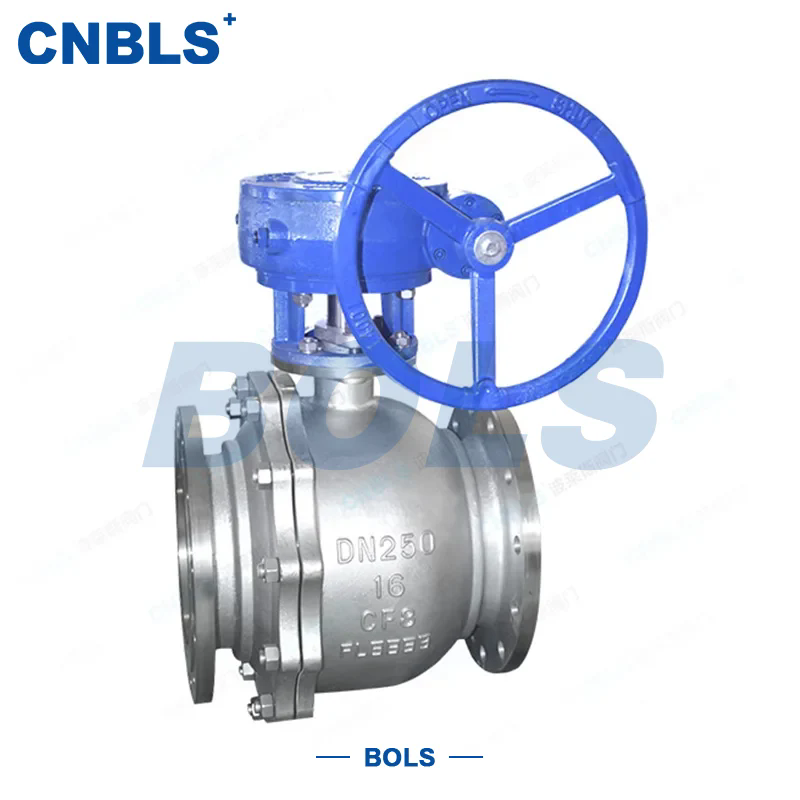
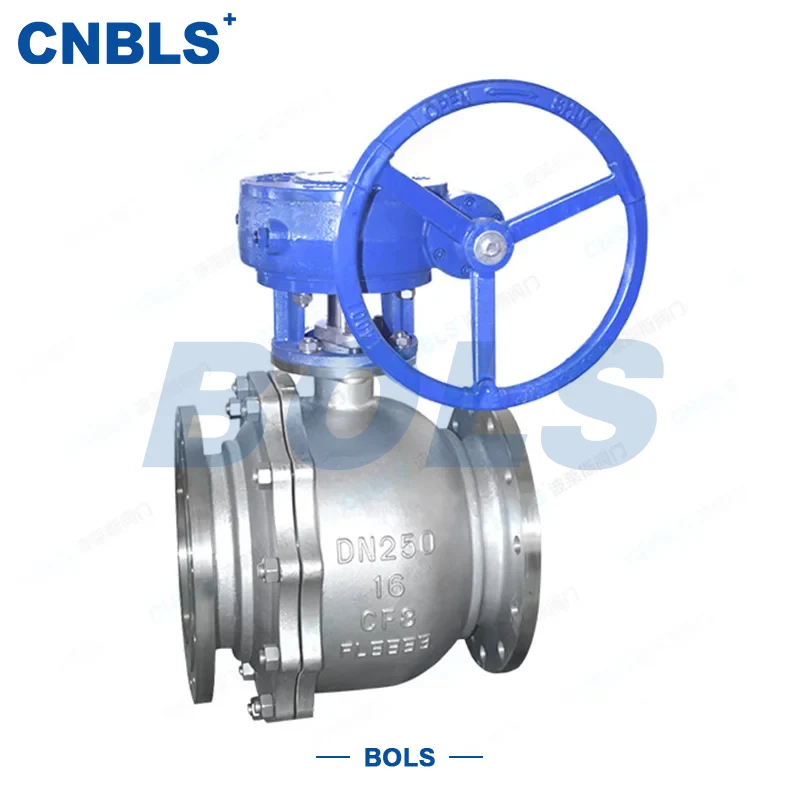
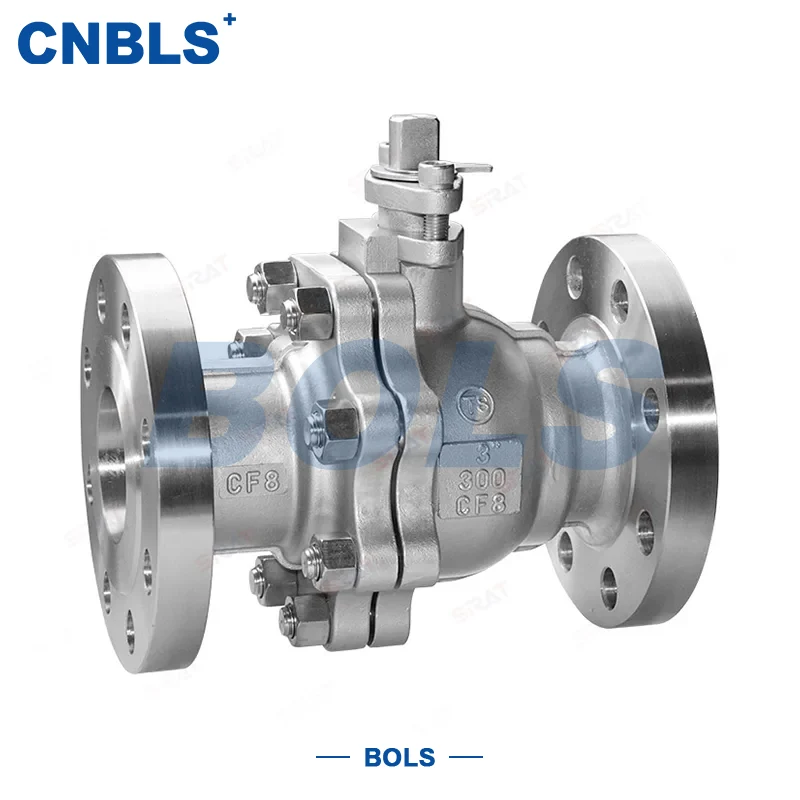
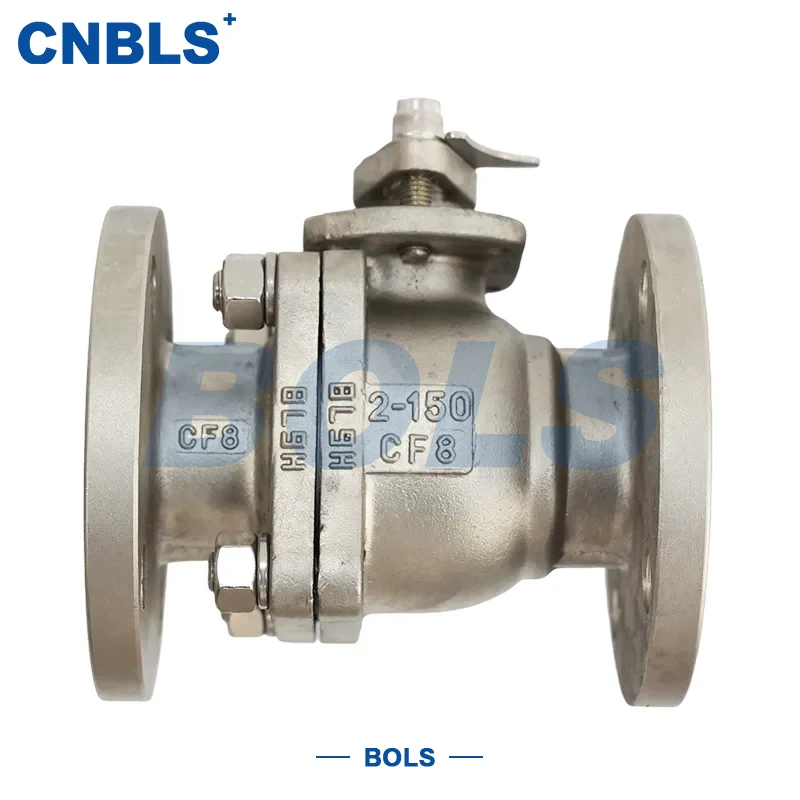
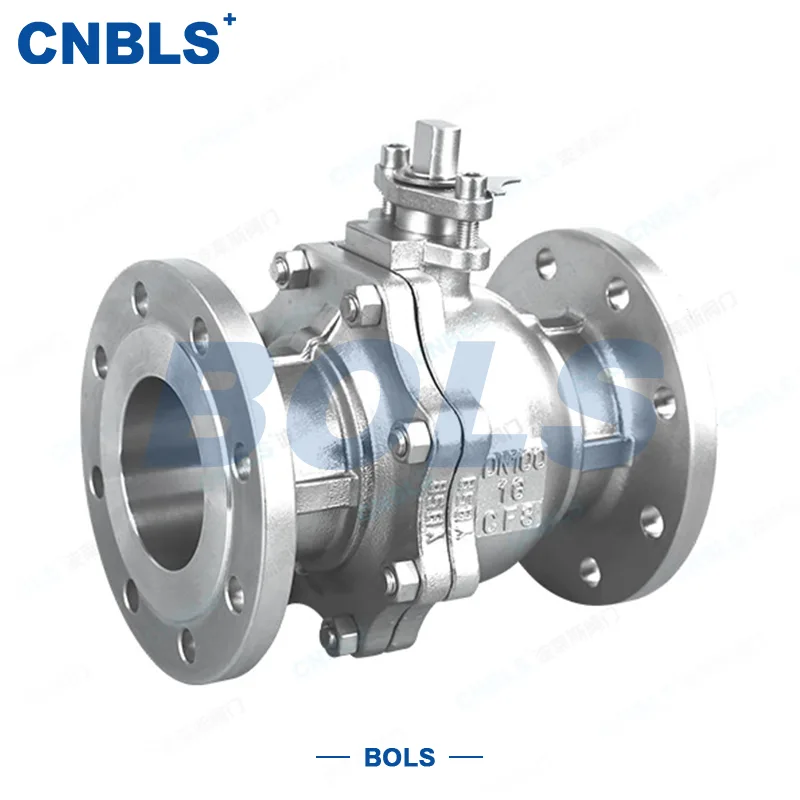
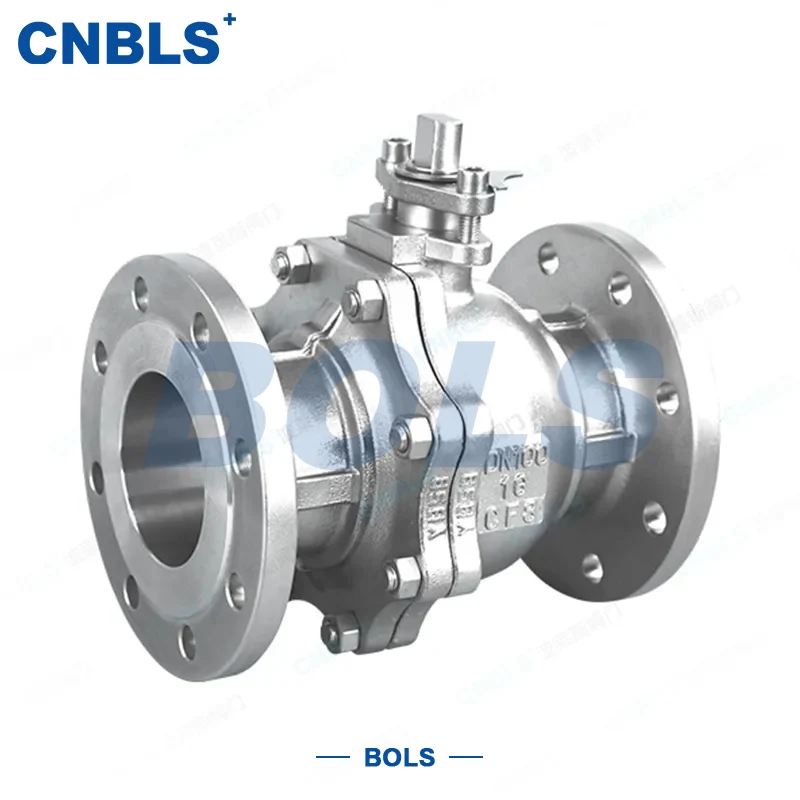
Stainless Steel Flanged Floating Ball Valves
Bolaisi Valve excels at strict quality control and flexible customized services for industrial pipeline valves. Its Stainless Steel Flanged Floating Ball Valves ensures tight sealing and easy operation. As a reliable supplier, we deliver durable solutions tailored to buyers in petrochemical, food and power industries.
The Stainless Steel Flanged Floating Ball Valves is a pipeline shut-off valve that uses a floating ball as the closure element. Under the pressure of the medium, the ball is tightly pressed against the downstream valve seat to achieve reliable sealing. Full opening or closing is accomplished by rotating the ball 90 degrees, featuring easy operation and quick response.
This valve boasts a simple structure and excellent sealing performance. It is suitable for various working conditions involving media such as water, steam, oil products, and corrosive substances, and is widely used in industrial pipeline systems including petroleum, chemical engineering, electric power, food, and pharmaceuticals.
Product Features
High-Quality Stainless Steel Material
Key components including the valve body, ball, and valve seat are made of 304/316 stainless steel, offering excellent corrosion and wear resistance to ensure long-term operational reliability.
Flanged Connection for Easy Installation
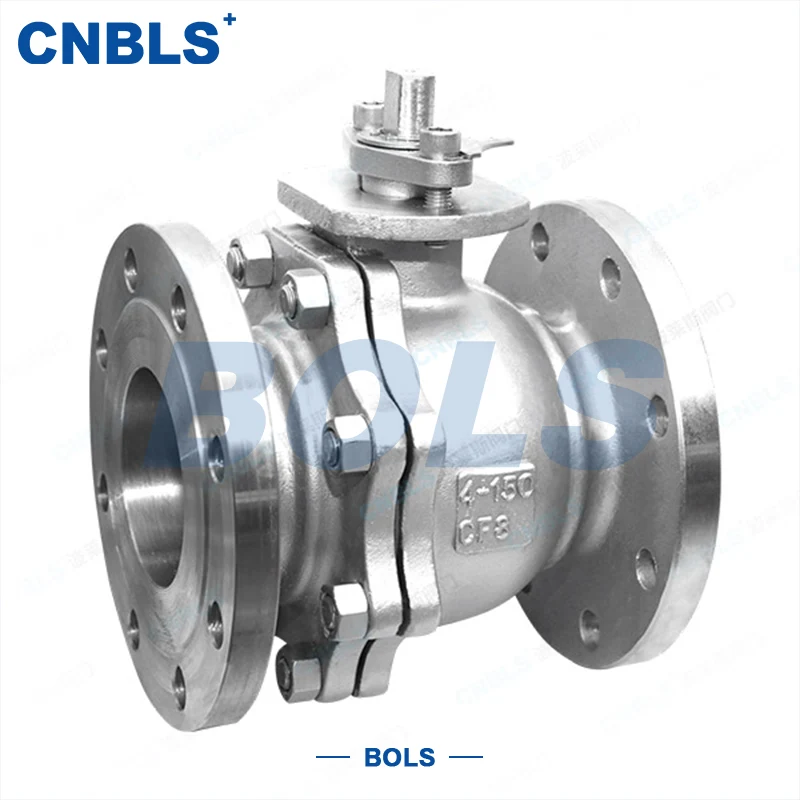
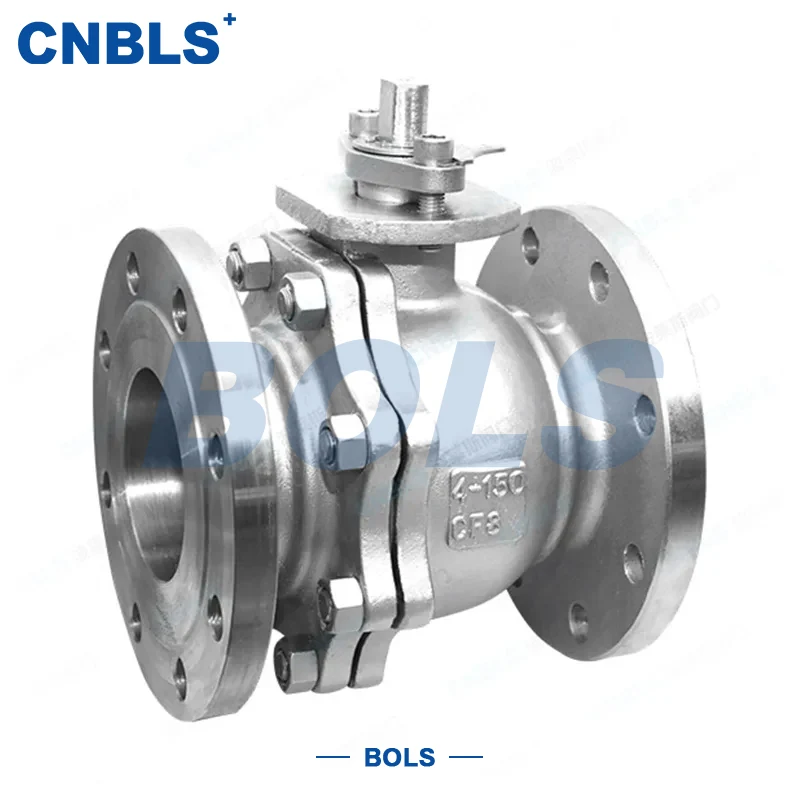
Adopting standard flanged connection, it allows convenient installation and disassembly, and is compatible with pipeline systems of different diameters and pressure classes.
Diversified Operation Modes
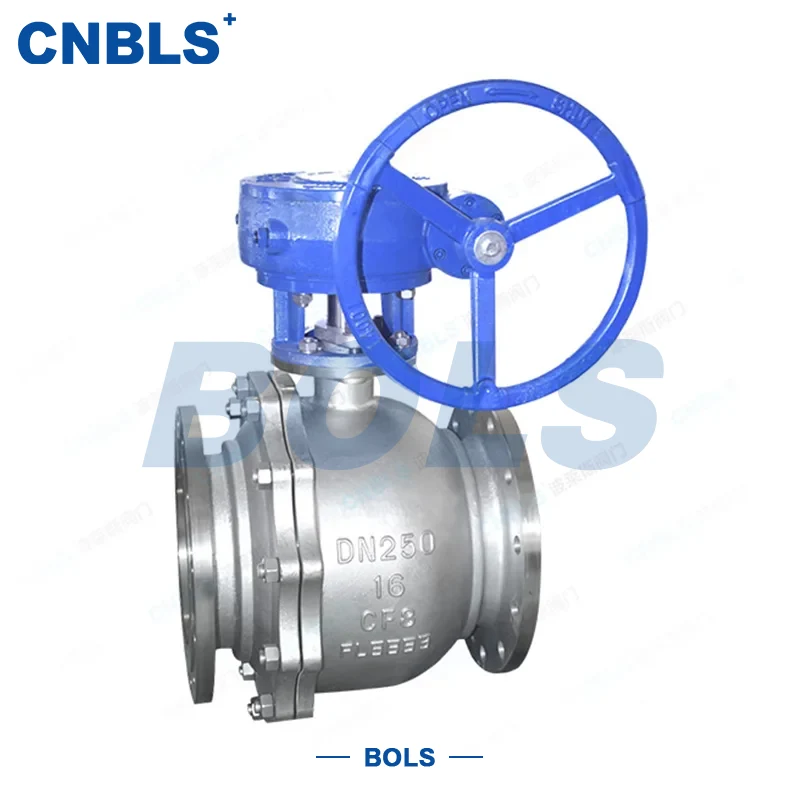
Supports manual (handwheel), gearbox, electric, and pneumatic actuation. The most suitable operation mode can be selected based on automatic control requirements.
Excellent Sealing Performance
The valve seat is made of soft sealing materials such as PTFE, PFA, or ETFE, with leakage rate meeting API Class VI to ensure pipeline system safety.
Wide Application Range
The valve has an applicable temperature range of -29~180℃, covering high, medium, and low-pressure working conditions from PN1.0 to PN42, and meets the control requirements of different flow rates and media.
High Reliability and Easy Maintainability
The floating ball structure realizes self-tightening sealing under medium pressure. It has a compact structure, requires no additional support, and is easy to maintain, making it suitable for long-term operation.
Applications
The Stainless Steel Flanged Floating Ball Valves is suitable for various industrial scenarios:
● Shut-off and flow control of petroleum and natural gas pipelines
● Transportation of corrosive media such as acids, alkalis, and salts in chemical production
● Pipeline control in water treatment and steam systems
● Conveyance of clean media in the food and pharmaceutical industries
● High-temperature and high-pressure pipelines in electric power and thermal systems
● Liquid transportation and pipeline shut-off scenarios
Model Interpretation
Take model Q41F-16P as an example:
|
Marking |
Meaning |
English Interpretation |
|
Q |
Ball Valve |
Ball Valve |
|
4 |
Flanged Connection |
Flanged Connection |
|
1 |
Floating Ball Straight-Through Type |
Floating Ball Straight-Through Type |
|
F |
Fluoroplastic Sealing Surface (PTFE) |
Fluoroplastic Sealing Surface (PTFE) |
|
-16 |
Nominal Pressure 1.6MPa |
Nominal Pressure 1.6MPa (16bar) |
|
P |
Stainless Steel Body (304/316) |
Stainless Steel Body (304/316) |
Technical Parameters Table
|
Item |
Parameter Value |
|
Nominal Diameter (DN) |
15, 20, 25, …, 2000 |
|
Nominal Pressure (PN) |
1.0, 1.6, 2.5, 4.0, 6.3, 10.0, 16.0, 25.0, 42.0 |
|
Pressure Class |
150, 300, 600, 900 |
|
Applicable Temperature (T) |
-29 ~ 180℃ (PTFE seal) |
|
Applicable Media |
Water, steam, oil products, corrosive media, etc. |
|
Leakage Class |
Class VI (soft seal) |
|
Valve Body Material |
WCB, CF8 (304), CF8M (316) |
|
Ball Material |
CF8 (304), CF8M (316) |
|
Valve Seat Material |
PTFE, PFA, ETFE |
|
Operating Torque |
Varies with model and nominal diameter |
Component Materials
● Valve Body: Cast steel WCB or stainless steel CF8/CF8M
● Ball: Stainless steel material matching the valve body
● Valve Seat: PTFE, PFA, or ETFE soft seal
● Valve Stem: Stainless steel with nitrided surface treatment
● Packing: Flexible graphite or PTFE
● Fasteners: Stainless steel
Selection Key Points
Working Condition Analysis
● Clarify the medium type, temperature, viscosity, and corrosivity.
● Determine the maximum working pressure of the system with a safety margin reserved.
Parameter Confirmation
● Select the nominal diameter DN according to flow rate requirements.
● Determine the nominal pressure PN/class based on system design.
● Choose the connection method (flange, welded, or threaded) according to the pipeline.
● Select the operation mode (manual, electric, or pneumatic) based on automation needs.
Material Selection
● Valve Body: Carbon steel is suitable for general working conditions; stainless steel is suitable for corrosive media.
● Sealing Material: PTFE is suitable for most corrosive media; metal hard seals can be selected for high-temperature, high-pressure, or particle-containing media.
Supplier Evaluation
● Select suppliers with good reputation and rich experience, and request samples, technical parameters, and quality assurance certificates.
Related Category
Send Inquiry
Contact Info
-
Address
638 Binhai 9th Road, Longwan District, Wenzhou City, Zhejiang Province, China
-
Tel
-
Email
For inquiries about our products or pricelist, please leave your email to us and we will be in touch within 24 hours.
News Recommendations