
What Makes Ball Valves Essential for Water Treatment and Desalination Plants?
In a desalination plant on the coast of the Middle East, seawater at 40°C is pumped through a network of pipes at pressures exceeding 70 bar. The water is highly corrosive, carrying dissolved salts, chlorides, and trace minerals that attack most metals. The valves that control this flow must operate thousands of times per year without leaking, without seizing, and without corroding. In a water treatment plant inland, the challenge is different but equally demanding: chemically treated water, variable pH, and the constant cycling of backwash and filtration processes. In both environments, the Ball Valve has emerged as the preferred solution. Its quarter-turn operation, tight sealing, and resistance to corrosion make it uniquely suited to the demands of water treatment and desalination.
A Ball Valve is a quarter-turn valve that uses a rotating ball with a bore through its center to control flow. When the bore aligns with the flow path, the valve is open. When the ball is rotated 90 degrees, the bore is perpendicular to the flow, and the valve is closed. The seal is created by two seats that press against the ball. This simple but effective design offers several advantages over other valve types: fast operation, low torque, bubble-tight sealing, and resistance to contamination. For water treatment and desalination plants, these advantages translate into reliable performance, low maintenance, and long service life. This article will examine why Ball Valves are essential in these demanding environments, covering material selection, sealing technology, high-cycle performance, and the specific requirements of desalination and water treatment processes. We will also provide detailed specifications for our Ball Valve products from our factory at Zhejiang Bolaisi Valve Co., Ltd.
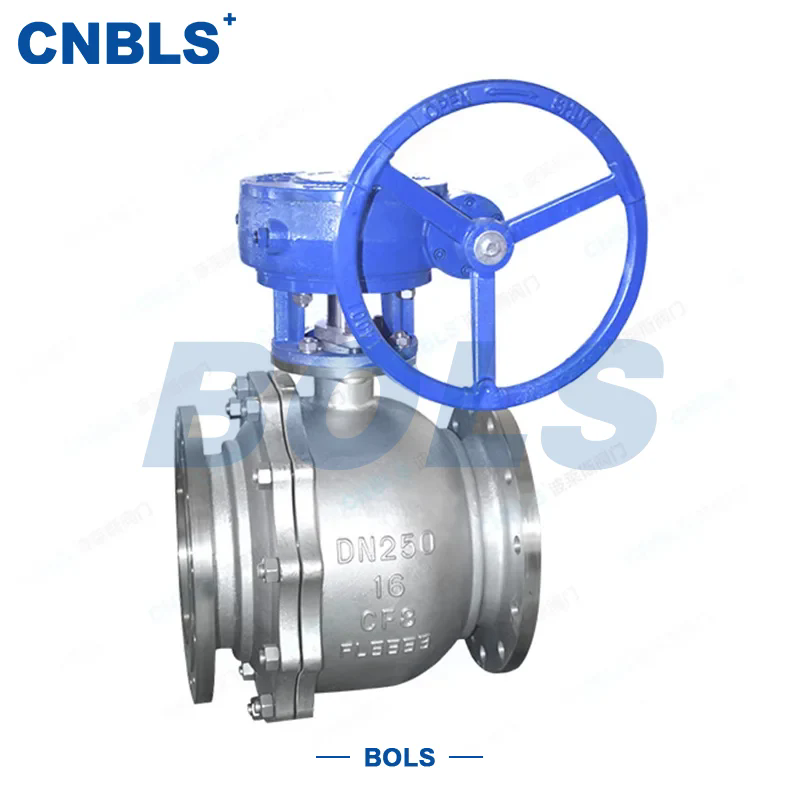
Table of Contents
- 1. What Is a Ball Valve and Why Does Its Design Suit Water Applications?
- 2. How Does Material Selection Combat Corrosion in Desalination?
- 3. Why Does High-Cycle Operation Demand a Ball Valve?
- 4. What Sealing Technologies Prevent Leaks in Harsh Water?
- 5. What Are the Key Specifications for Water Treatment Ball Valves?
- 6. How Does a Ball Valve Compare to Other Valve Types?
- 7. Frequently Asked Questions (FAQ)
- 8. Conclusion
1. What Is a Ball Valve and Why Does Its Design Suit Water Applications?
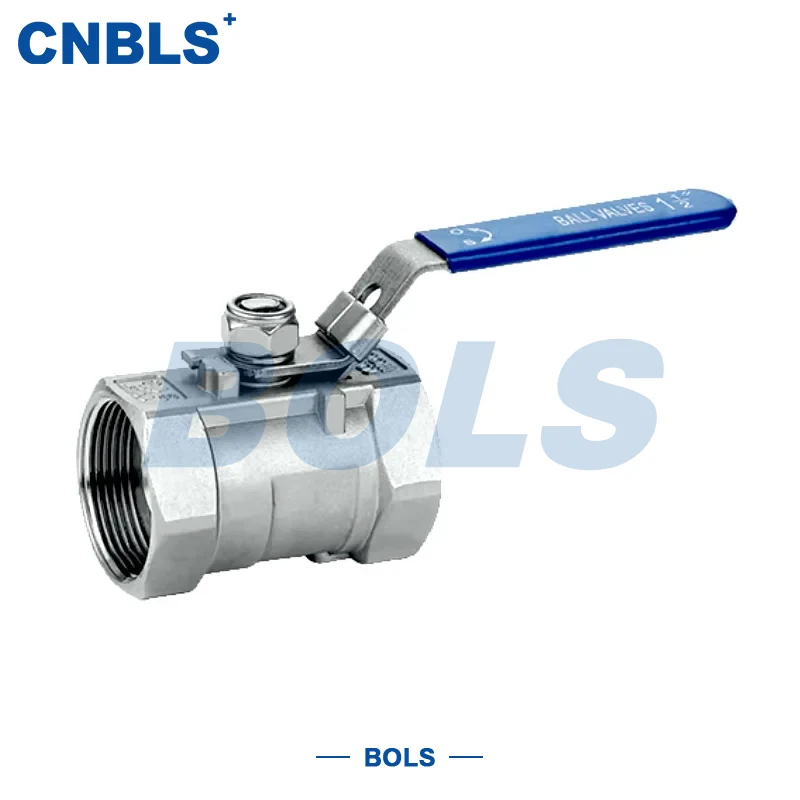
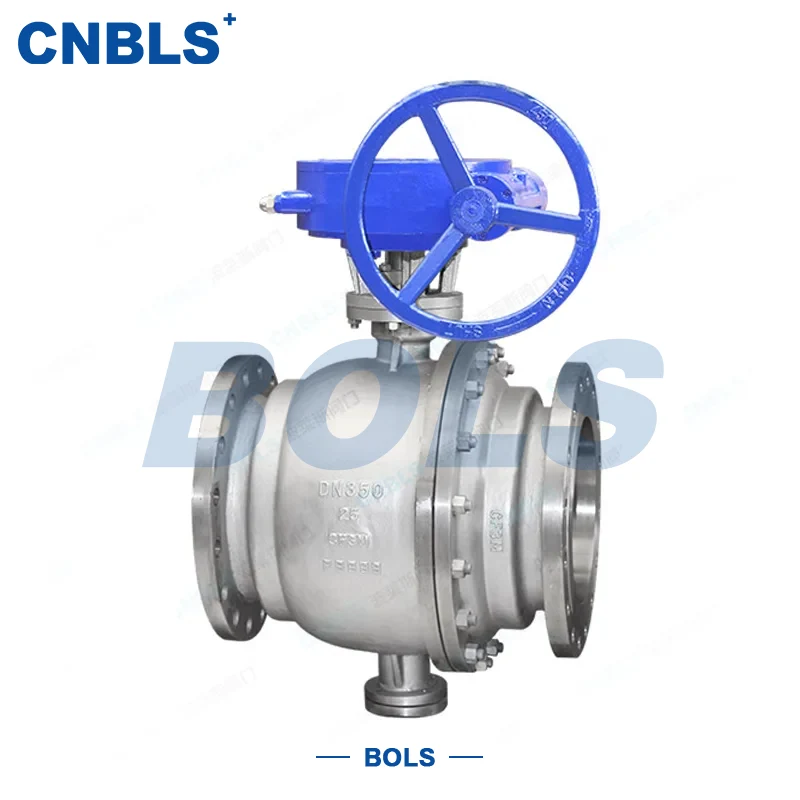
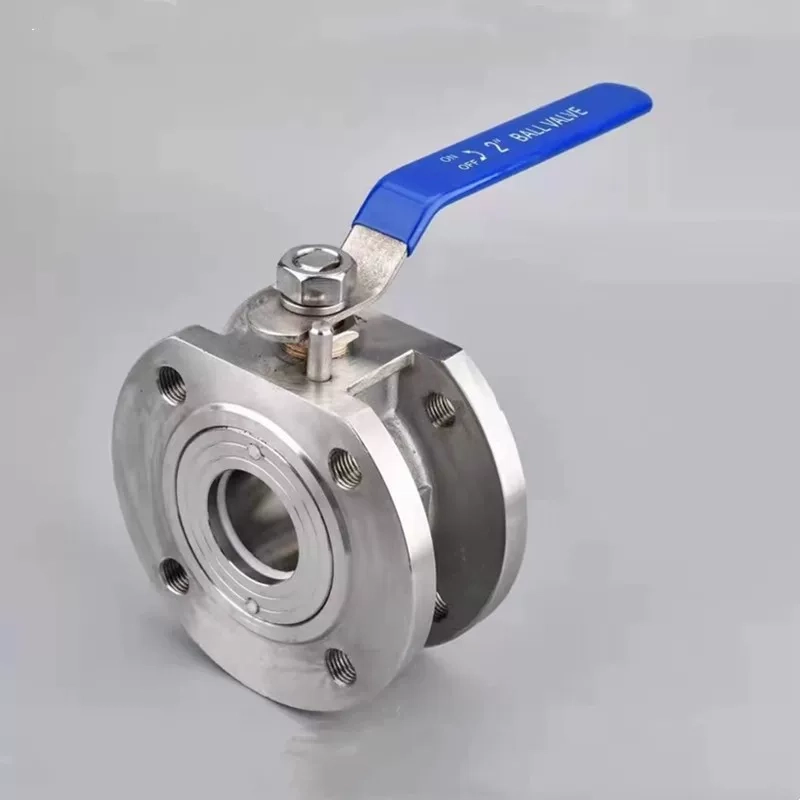
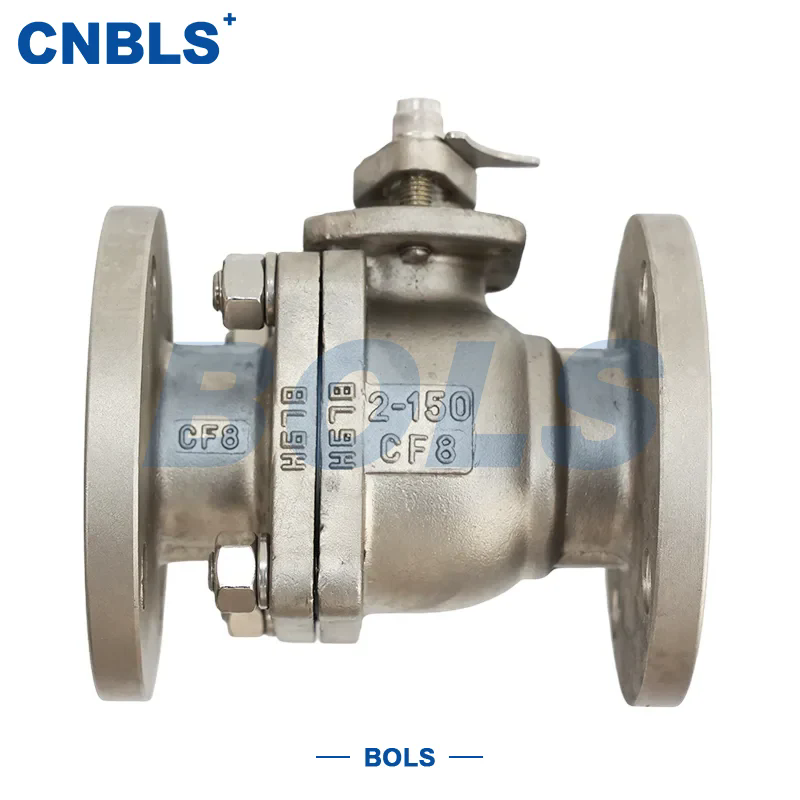
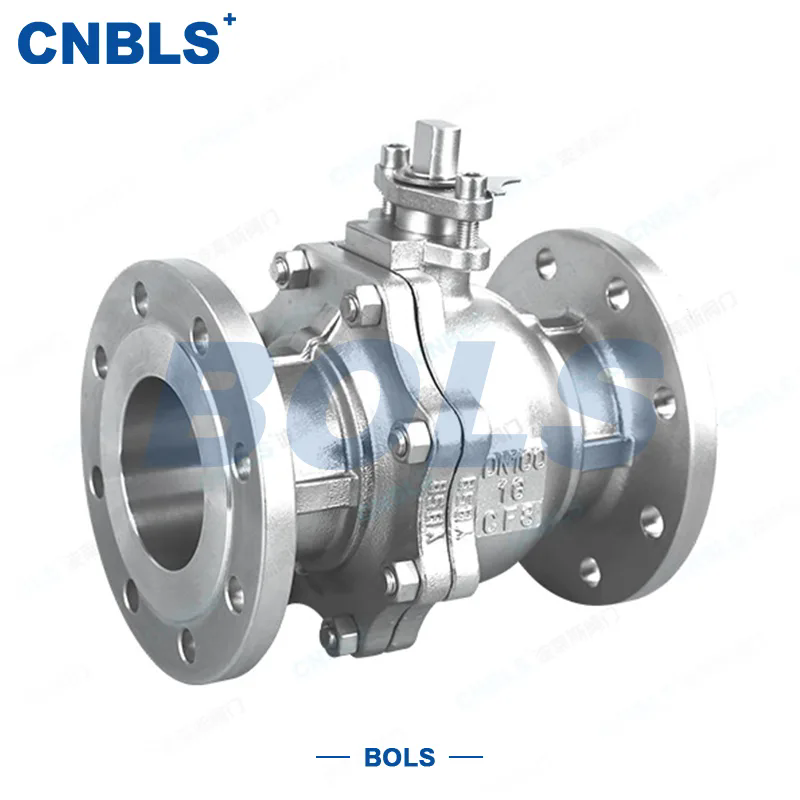
A Ball Valve is a quarter-turn valve that controls flow using a spherical disc with a bore through its center. The ball is held between two seats, which are typically made of a polymer or elastomer material. When the valve handle is turned 90 degrees, the ball rotates, and the bore either aligns with the flow path (open) or is perpendicular to it (closed). The design is simple, robust, and highly effective. For water applications, the Ball Valve offers several inherent advantages. First, the quarter-turn operation allows for fast opening and closing, which is essential for emergency shutdown and process control. Second, the ball and seats create a tight seal, preventing leaks even at high pressures. Third, the design is resistant to contamination because there are no pockets or crevices where debris can accumulate.
In a water treatment plant, Ball Valves are used in a wide range of applications. They control the flow of raw water into the plant, the flow of chemicals for coagulation and disinfection, the flow of filtered water to storage, and the flow of backwash water for filter cleaning. In a desalination plant, they control the flow of seawater through the intake, the flow of brine to the outfall, and the flow of product water to the distribution system. In each of these applications, the Ball Valve must perform reliably under conditions that would quickly degrade other valve types. The table below summarizes the key design features of a Ball Valve and how they benefit water treatment and desalination applications.
| Design Feature | Benefit in Water Applications |
| Quarter-turn operation | Fast opening and closing; suitable for emergency shutdown |
| Spherical ball with bore | Smooth flow path; low pressure drop |
| Two seats (upstream and downstream) | Double sealing; bubble-tight shutoff |
| No pockets or crevices | Resistant to debris; suitable for contaminated water |
| Simple construction | Reliable operation; easy maintenance |
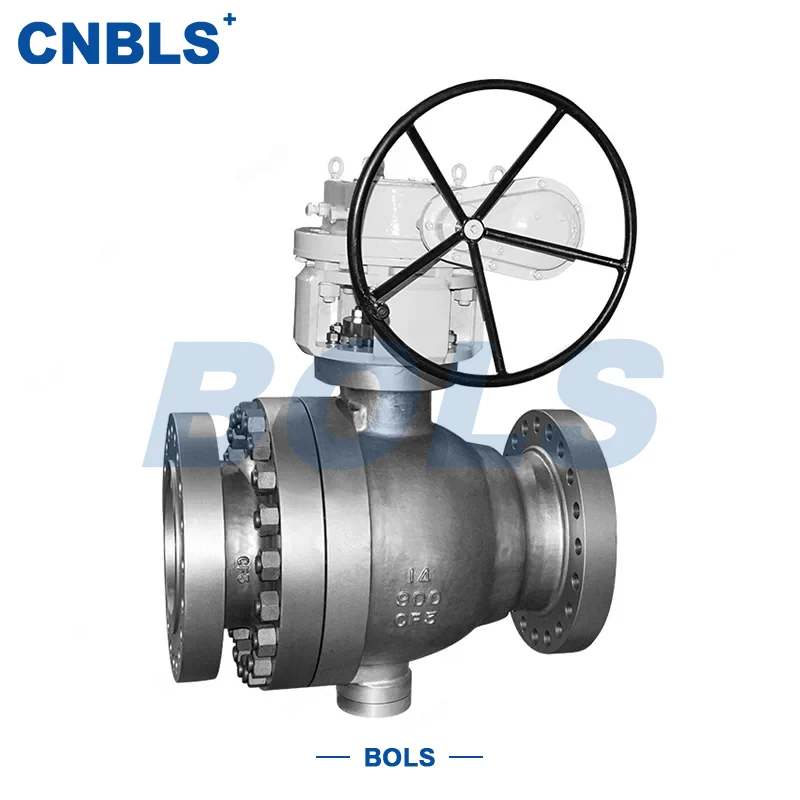
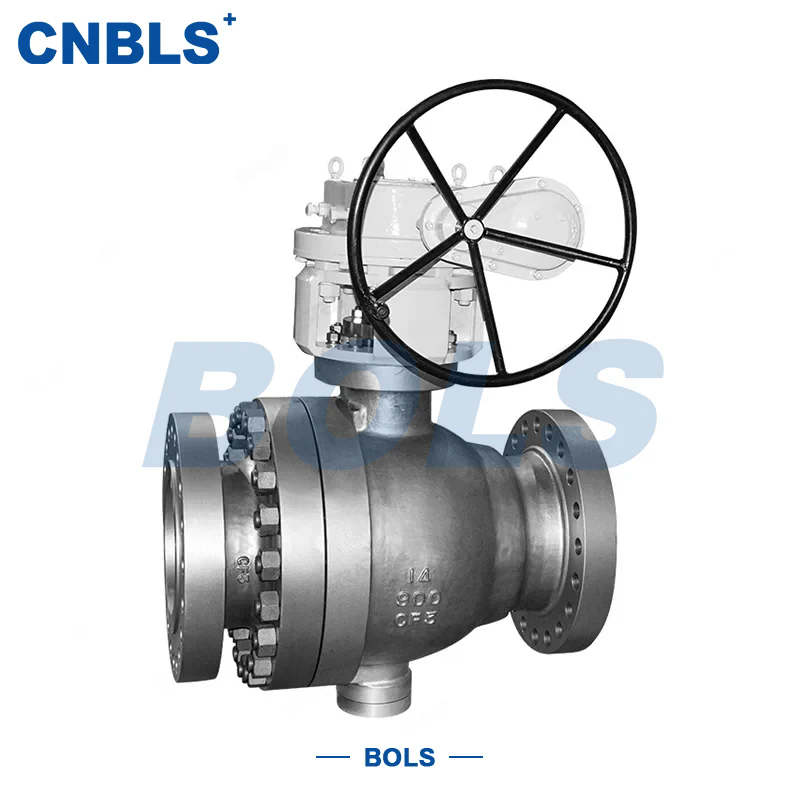
At Zhejiang Bolaisi Valve Co., Ltd., our factory manufactures Ball Valves specifically designed for water treatment and desalination applications. We offer a range of designs, including floating ball, trunnion-mounted, and top-entry configurations, to suit different pressure ratings and maintenance requirements. Our engineering team works closely with customers to select the optimal valve for their specific application, ensuring reliable performance and long service life.
2. How Does Material Selection Combat Corrosion in Desalination?
Corrosion is the primary enemy of valves in desalination plants. Seawater contains chlorides, which are highly aggressive to most metals. Stainless steel 316, which is commonly used in water treatment, is susceptible to pitting and crevice corrosion in seawater, especially at elevated temperatures. To combat this, desalination plants require valves made from more corrosion-resistant materials. The most common choices are super duplex stainless steel, titanium, and duplex stainless steel. These materials have a higher molybdenum and chromium content, which provides a protective passive layer that resists chloride attack. The choice of material depends on the specific conditions of the plant, including the chloride concentration, the temperature, and the presence of dissolved oxygen.
In a desalination plant, the Ball Valve must be constructed entirely from corrosion-resistant materials. This includes the body, the ball, the stem, and the seats. The seats are typically made from PTFE or PEEK, which are chemically inert and resistant to seawater. The stem seals are typically made from EPDM or Viton, which are also resistant to seawater. The table below summarizes the corrosion resistance of common valve materials in seawater.
| Material | Corrosion Resistance in Seawater | Typical Application |
| Stainless Steel 316 | Moderate (pitting and crevice corrosion) | Low-chloride water, non-critical applications |
| Duplex Stainless Steel | Good (higher resistance than 316) | Seawater with moderate chloride levels |
| Super Duplex Stainless Steel | Excellent (high resistance to pitting and crevice) | High-chloride seawater, desalination plants |
| Titanium | Excellent (immune to seawater corrosion) | Critical desalination applications, high temperature |
| Bronze | Good (but susceptible to erosion) | Low-velocity seawater, older plants |
At our factory, we manufacture Ball Valves from super duplex stainless steel, titanium, and other corrosion-resistant materials for desalination applications. We also offer a range of seat and seal materials to suit different water chemistries and temperatures. Our engineering team can assist with material selection based on the specific conditions of your plant.
3. Why Does High-Cycle Operation Demand a Ball Valve?
Water treatment and desalination plants operate continuously, 24 hours a day, 7 days a week. Many valves in these plants are cycled frequently—sometimes hundreds of times per day. For example, the valves that control the backwash cycle in a filtration system may open and close every few hours. The valves that control the flow of cleaning chemicals may cycle even more frequently. Over the course of a year, a single valve may undergo thousands of cycles. This high-cycle operation places significant demands on the valve's design and materials. The valve must maintain its sealing performance, its operating torque, and its structural integrity over hundreds of thousands of cycles.
Ball Valves are well-suited to high-cycle operation because of their simple, robust design. The ball and seats are the only moving parts, and they are designed to wear evenly. The quarter-turn operation means that the ball only rotates 90 degrees, minimizing wear on the stem and the seats. The seats are typically made from a low-friction material, such as PTFE, which reduces the operating torque and extends the life of the valve. The table below summarizes the typical cycle life of a Ball Valve compared to other valve types.
| Valve Type | Typical Cycle Life | Maintenance Requirements |
| Ball Valve | 100,000 - 1,000,000 cycles | Low; seat replacement at end of life |
| Gate Valve | 10,000 - 50,000 cycles | Moderate; stem packing replacement |
| Butterfly Valve | 50,000 - 200,000 cycles | Moderate; seat and disc replacement |
| Globe Valve | 20,000 - 100,000 cycles | High; seat and stem replacement |
At Zhejiang Bolaisi Valve Co., Ltd., our Ball Valves are designed and tested for high-cycle operation. We use precision-machined balls and seats to ensure smooth operation and even wear. We also offer optional features such as stem extensions and locking devices for applications that require additional functionality. Our factory conducts cycle testing on representative samples to verify the performance of our valves over extended periods.
4. What Sealing Technologies Prevent Leaks in Harsh Water?
The sealing system is the most critical component of a Ball Valve for preventing leaks. In water treatment and desalination plants, the valve must contain water at pressures up to 100 bar and temperatures up to 80°C, while withstanding the corrosive effects of chlorides and other chemicals. The seals must be resistant to these conditions and must maintain their elasticity over thousands of cycles. The sealing system of a Ball Valve consists of two main components: the seat seals, which seal against the ball, and the stem seals, which seal around the stem. The seat seals are typically made from PTFE or PEEK, which are chemically inert and have a low coefficient of friction. The stem seals are typically made from EPDM or Viton, which are resistant to water and chemicals.
The design of the seat seals is critical for achieving a bubble-tight shutoff. In a floating ball valve, the upstream pressure pushes the ball against the downstream seat, creating a tight seal. In a trunnion-mounted ball valve, the ball is fixed in position, and both seats are spring-loaded against the ball. The choice of design depends on the pressure rating and the size of the valve. The table below summarizes the sealing technologies used in our Ball Valves for water applications.
| Seal Component | Material | Function | Pressure Rating |
| Seat Seal | PTFE, PEEK, TFM | Seals against the ball; prevents leakage | Up to 100 bar |
| Stem Seal | EPDM, Viton, PTFE | Seals around the stem; prevents external leakage | Up to 100 bar |
| Body Seal | EPDM, Viton, PTFE | Seals between the body sections | Up to 100 bar |
| Back-up Ring | PTFE, POM | Prevents seal extrusion under pressure | High pressure |
At our factory, we use only high-quality seals from reputable manufacturers. We test every valve for leakage at the maximum operating pressure before it is shipped. We also offer a range of seal materials to suit different water chemistries and temperatures. Our engineering team can assist with seal selection based on the specific conditions of your plant.
5. What Are the Key Specifications for Water Treatment Ball Valves?
The key specifications for a Ball Valve used in water treatment and desalination applications include the size, the pressure rating, the temperature rating, the material of construction, the seat and seal materials, the end connections, and the operation method. The table below provides a summary of the typical specifications for our Ball Valve products.
| Specification | Range | Notes |
| Size | DN15 - DN600 (1/2" - 24") | Larger sizes available on request |
| Pressure Rating | PN10 - PN100 (Class 150 - 600) | Higher ratings available |
| Temperature Rating | -29°C to +200°C | Depends on seat and seal material |
| Body Material | Stainless Steel 316, Duplex, Super Duplex, Titanium | Selected for corrosion resistance |
| Ball Material | Stainless Steel 316, Duplex, Super Duplex, Titanium | Matches body material |
| Seat Material | PTFE, PEEK, TFM | Selected for temperature and pressure |
| Stem Seal Material | EPDM, Viton, PTFE | Selected for water chemistry |
| End Connection | Flanged, Threaded, Butt Weld, Socket Weld | Flanged is most common for water plants |
| Operation | Manual (lever), Gear, Pneumatic, Electric | Automated options for remote control |
| Design Standard | API 6D, ISO 17292, ASME B16.34 | Compliance with international standards |
At Zhejiang Bolaisi Valve Co., Ltd., we manufacture Ball Valves to meet these specifications and more. We can customize the valve to suit specific project requirements, including special materials, special end connections, and special operating mechanisms. Our factory has the expertise and the equipment to produce high-quality valves for the most demanding water treatment and desalination applications.
6. How Does a Ball Valve Compare to Other Valve Types?
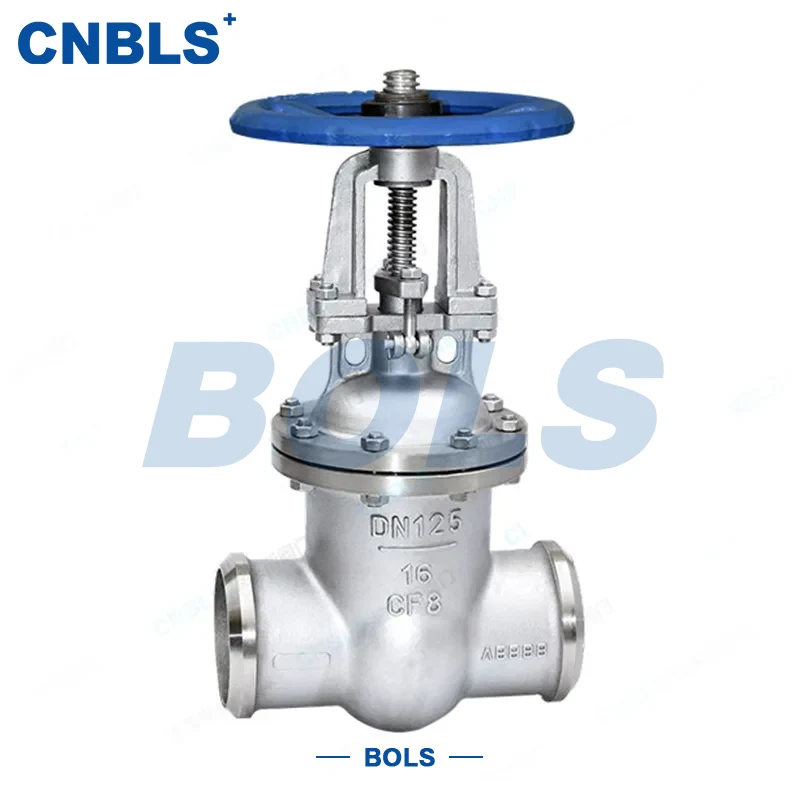
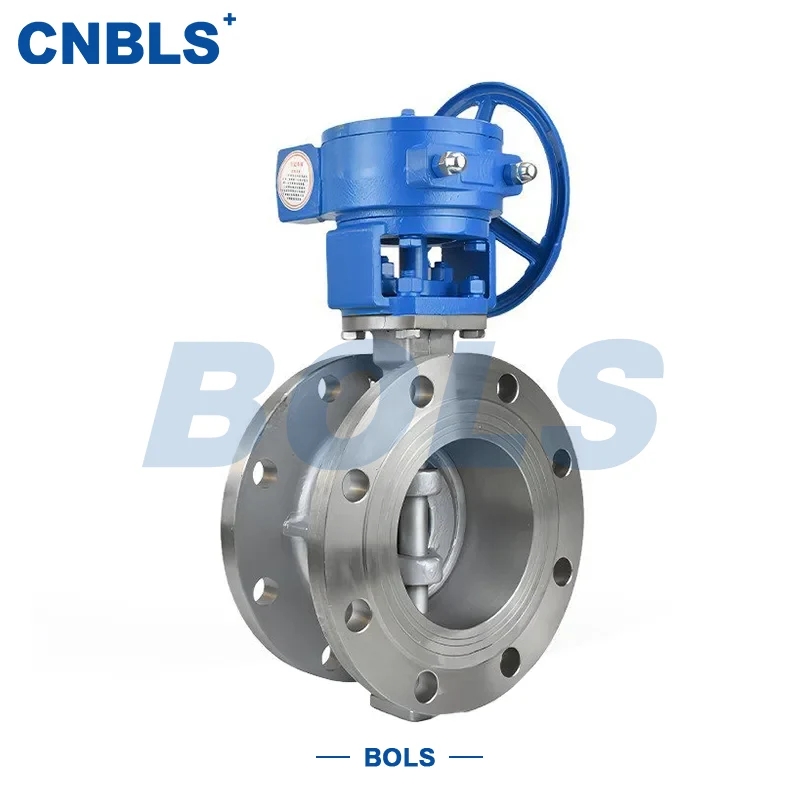
When selecting a valve for water treatment or desalination, engineers have several options, including gate valves, butterfly valves, globe valves, and ball valves. Each type has its own strengths and weaknesses, and the choice depends on the specific requirements of the application. The table below compares the key characteristics of these valve types.
| Valve Type | Sealing | Cycle Life | Pressure Drop | Corrosion Resistance | Cost |
| Ball Valve | Excellent | Excellent | Low | Excellent (with proper material) | Medium-High |
| Gate Valve | Good | Moderate | Very Low | Good | Medium |
| Butterfly Valve | Good | Good | Low | Good | Low-Medium |
| Globe Valve | Excellent | Moderate | High | Good | Medium-High |
As the table shows, the Ball Valve offers the best combination of sealing, cycle life, and low pressure drop. While the initial cost may be higher than some alternatives, the long-term reliability and low maintenance requirements make it the most economical choice over the life of the plant. At our factory, we have extensive experience in supplying Ball Valves for water treatment and desalination projects around the world. We can provide technical support and product selection assistance to ensure that you choose the right valve for your application.
7. Frequently Asked Questions (FAQ)
Question 1: What materials are best for ball valves in seawater desalination?
Answer: Super duplex stainless steel and titanium are the best materials for ball valves in seawater desalination. Super duplex offers excellent resistance to pitting and crevice corrosion, while titanium is immune to seawater corrosion. The choice depends on the specific conditions of the plant, including the chloride concentration, temperature, and presence of dissolved oxygen. At Zhejiang Bolaisi Valve Co., Ltd., we can assist with material selection for your specific application.
Question 2: How often should ball valves be inspected in a water treatment plant?
Answer: The inspection frequency depends on the application and the operating conditions. For critical valves, we recommend a visual inspection monthly, an operational check quarterly, and a full overhaul annually or after a specified number of cycles. The inspection should include checking for leaks, verifying the operating torque, and inspecting the seats and seals for wear. Regular inspection and maintenance are essential for ensuring the reliable operation of the valve.
Question 3: Can ball valves be repaired, or do they need to be replaced?
Answer: In most cases, ball valves can be repaired. The most common repair is the replacement of the seats and seals. If the ball is damaged or the body is corroded, the repair may be more extensive. At our factory, we offer a full repair and reconditioning service for our valves. We also supply replacement parts, including seats, seals, and balls. We can advise on whether a repair or replacement is the more economical option for your specific situation.
Question 4: What is the difference between a floating ball valve and a trunnion-mounted ball valve?
Answer: In a floating ball valve, the ball is not fixed in position and is pushed against the downstream seat by the upstream pressure. This design is suitable for smaller sizes and lower pressure ratings. In a trunnion-mounted ball valve, the ball is fixed in position by a trunnion, and both seats are spring-loaded against the ball. This design is suitable for larger sizes and higher pressure ratings. The choice depends on the size and pressure of the application. At our factory, we manufacture both types of ball valves.
Question 5: How do I select the right ball valve for my water treatment application?
Answer: To select the right ball valve, you need to consider the size, the pressure rating, the temperature rating, the water chemistry, and the required cycle life. You also need to consider the end connection and the operation method. Our engineering team can assist you with the selection process. We can provide technical data, product samples, and application support to ensure that you choose the right valve for your specific needs.
8. Conclusion
Ball Valves are essential for water treatment and desalination plants because they offer a combination of properties that no other valve type can match. They provide tight sealing, high-cycle reliability, low pressure drop, and excellent corrosion resistance when manufactured from the right materials. They are easy to operate and maintain, and they can be automated for remote control. At Zhejiang Bolaisi Valve Co., Ltd., our factory has the expertise and the equipment to manufacture Ball Valves that meet the most demanding requirements of water treatment and desalination applications. We use high-quality materials, precision manufacturing processes, and rigorous testing to ensure that every valve we produce delivers reliable performance and long service life.
Whether you are designing a new desalination plant, upgrading an existing water treatment facility, or maintaining an industrial water system, we invite you to contact our technical team to discuss your requirements. We can provide detailed product specifications, material selection assistance, and application support. Our commitment to quality and customer satisfaction has made us a trusted partner for water treatment and desalination projects around the world.
Contact Zhejiang Bolaisi Valve Co., Ltd. today to discuss your Ball Valve requirements and discover how our valves can improve the reliability and efficiency of your water treatment or desalination plant.
Previous :
Next :
-
Related News
- Basic Knowledge of Industrial Valves
- How Does the Ball Valve Achieve Zero Leakage with Soft Seat Sealing Materials?
- What Makes Ball Valves the Preferred Choice for High-Pressure and High-Temperature Services?
- How does Ball Valve maintain tight sealing under high-temperature conditions?
- Why Is a Two Piece High Platform Flanged Ball Valve a Smart Choice for Modern Industrial Pipeline Control
- Why Are High Performance Ventilation Butterfly Valves Essential for Modern Industrial Airflow Control
Leave me a message