
How does Ball Valve maintain tight sealing under high-temperature conditions?
Inside a petrochemical refinery, superheated steam at 540°C races through miles of piping. In a concentrated solar power plant, molten salt at 600°C flows through heat exchangers. These extreme conditions demand valves that can maintain a tight seal despite the immense thermal stresses. The ball valve, a widely used industrial valve, faces a fundamental challenge at these temperatures: the ball and seat materials expand at different rates. If the sealing system cannot accommodate this differential expansion, the valve will leak, causing safety hazards, product loss, and costly downtime. Yet, high-temperature ball valves routinely achieve bubble-tight shutoff even at temperatures exceeding 500°C. How is this possible?
This article explores the engineering principles and advanced materials that enable Ball Valve to maintain tight sealing under high-temperature conditions. The solution lies in a sophisticated combination of seat material selection (from advanced polymers to metal alloys), seat design geometry that compensates for thermal expansion, careful material matching between the ball and seat, and the use of thermal barriers to protect critical components. Furthermore, the selection of appropriate stem seals, the application of fire-safe design principles, and the use of thermal compensation springs all contribute to the sealing integrity of high-temperature Ball Valve. This article will dissect these mechanisms, providing a comprehensive understanding of how Ball Valve can be engineered to perform reliably under some of the most extreme conditions encountered in modern industry.
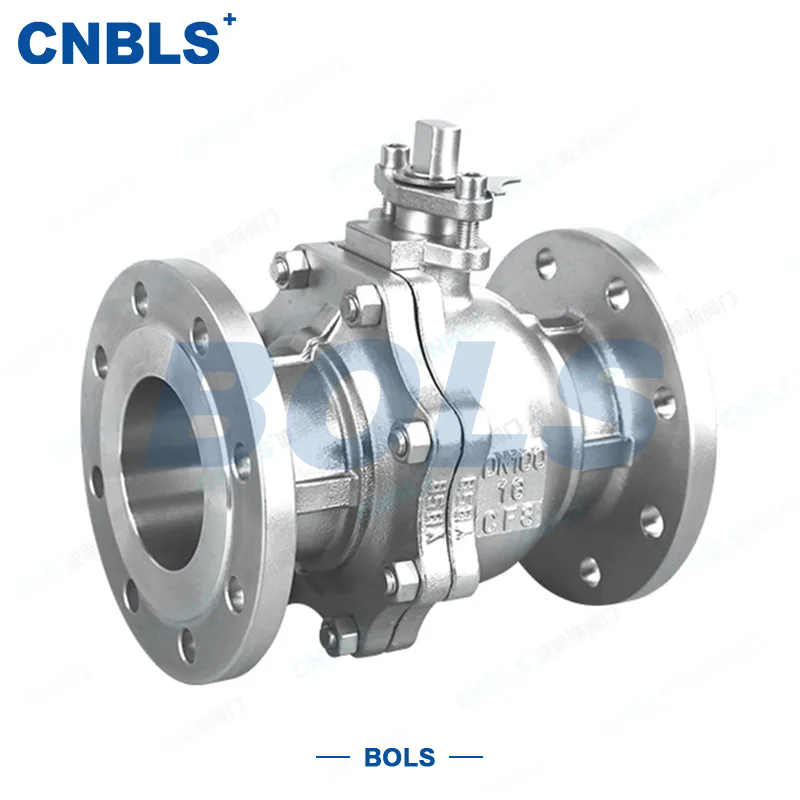
Table of Contents
- 1. What Is a Ball Valve and How Does It Work?
- 2. What Challenges Does High Temperature Present to Ball Valve Sealing?
- 3. How Does Seat Material Selection Influence High-Temperature Sealing?
- 4. What Seat Designs Compensate for Thermal Expansion?
- 5. How Does Spring Loading and Preload Maintain Sealing Force at Temperature?
- 6. What Role Do Stem Seals and Fire-Safe Design Play?
- 7. Frequently Asked Questions (FAQ)
- 8. Conclusion
1. What Is a Ball Valve and How Does It Work?
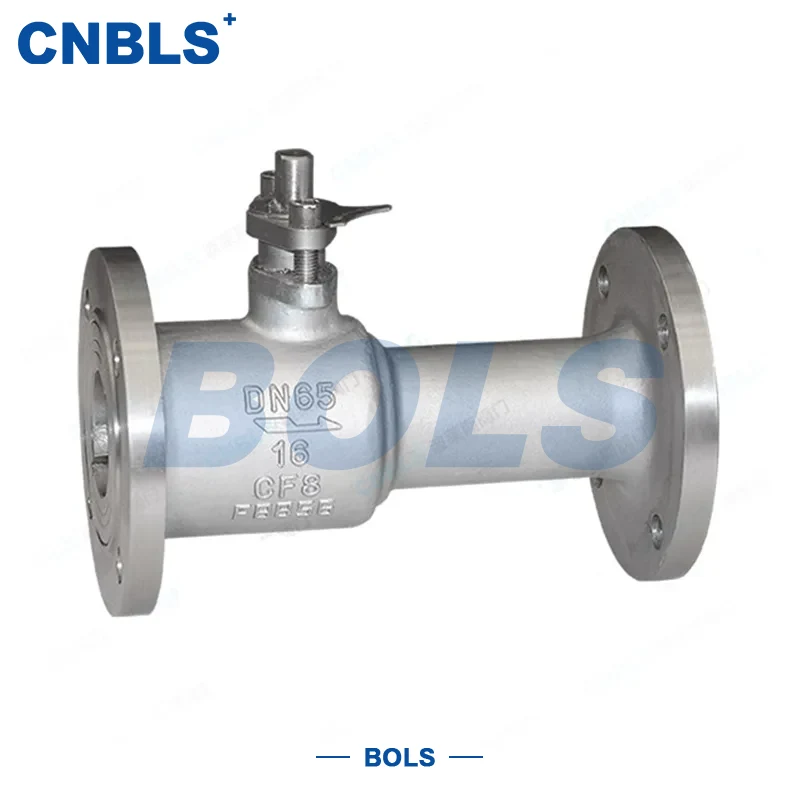
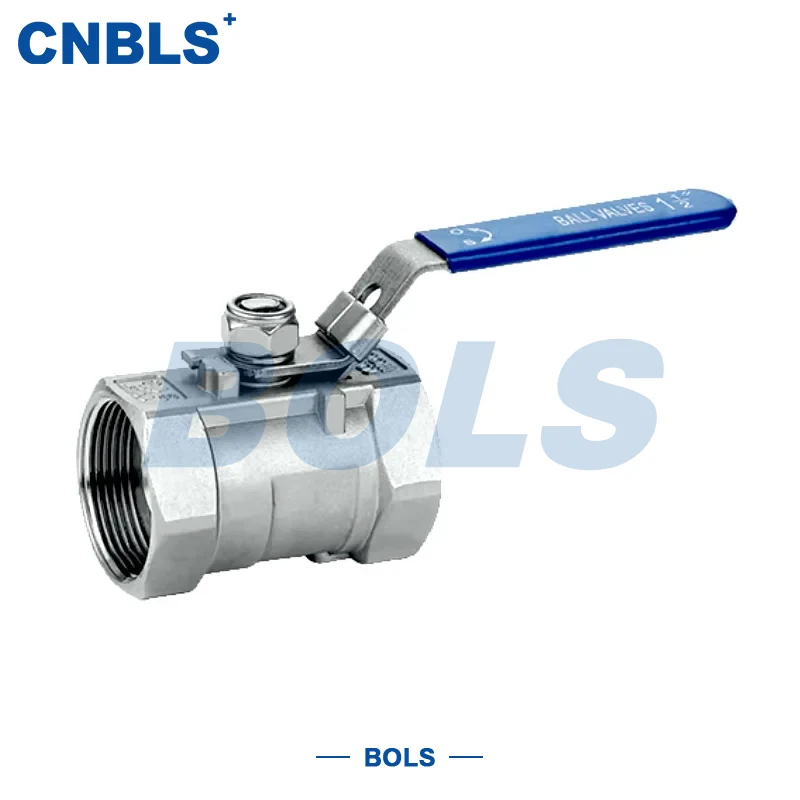
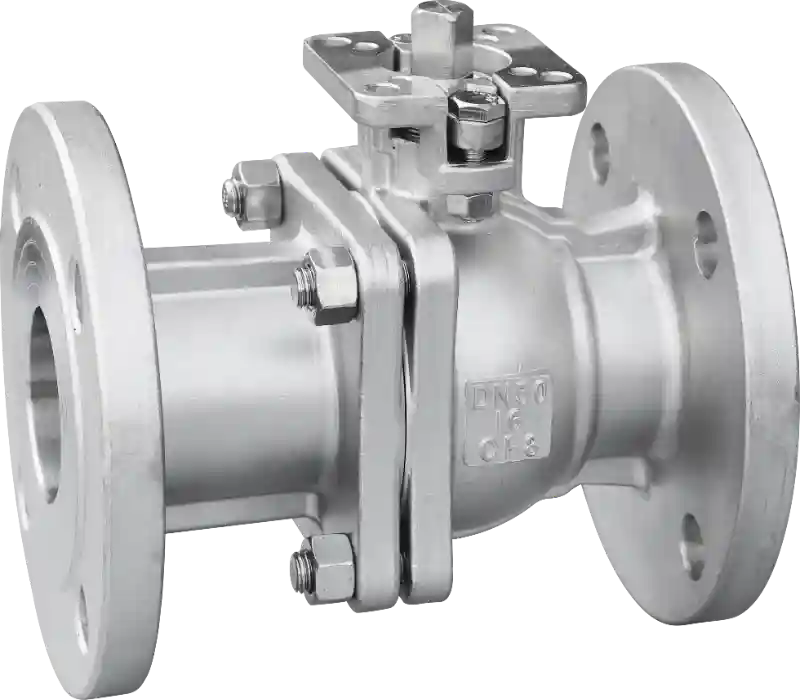
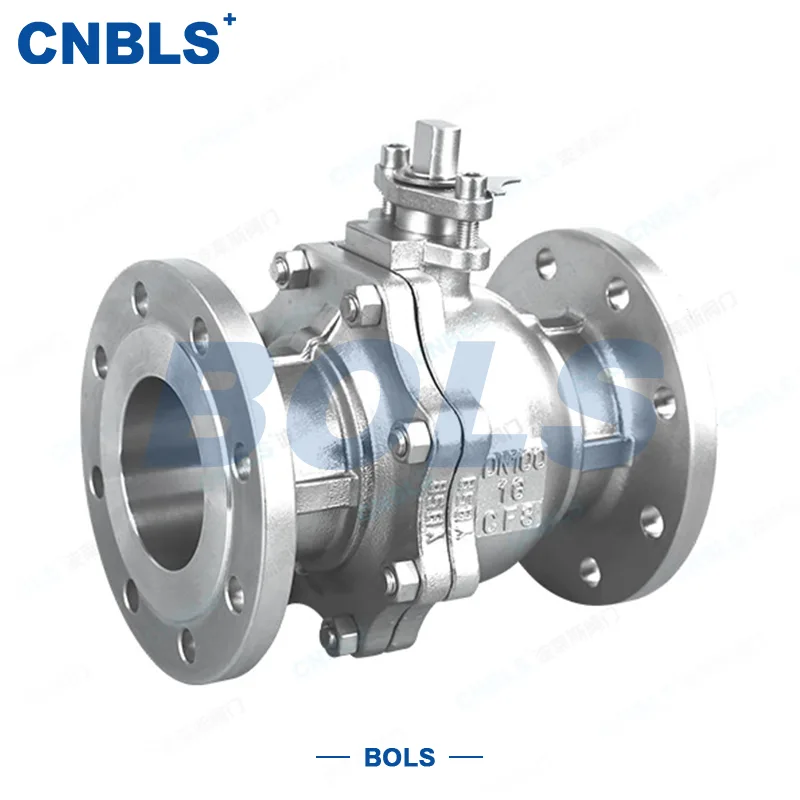
Before delving into the specifics of high-temperature sealing, it is important to understand the fundamental design of the Ball Valve. A Ball Valve is a quarter-turn valve that uses a hollow, pivoting ball to control the flow of fluid. The ball has a cylindrical bore (or port) through its center. When the handle is turned to the open position, the bore is aligned with the flow path, allowing the fluid to pass. When the handle is turned 90 degrees, the ball rotates so that the bore is perpendicular to the flow path, blocking the flow. The seal is achieved by pressing the ball against two seats, typically located on the upstream and downstream sides of the valve.
The key components of a Ball Valve are:
- Body: The outer shell of the valve, which houses the internal components and connects to the pipeline.
- Ball: The rotating spherical element that controls the flow.
- Seats: The sealing elements that press against the ball to prevent leakage.
- Stem: The shaft that connects the ball to the actuator or handle.
- Stem Seals: The seals that prevent leakage around the stem.
- Actuator/Handle: The mechanism used to rotate the ball.
Ball Valve are known for their reliability, ease of operation, and excellent sealing performance. They are available in a wide range of configurations, from simple on/off valves to sophisticated control valves with V-notch balls for throttling applications. At Zhejiang Bolaisi Valve Co., Ltd., we manufacture Ball Valve for a variety of industries, including oil and gas, petrochemical, power generation, and chemical processing.
2. What Challenges Does High Temperature Present to Ball Valve Sealing?
As temperatures rise, the physical dimensions of the Ball Valve components change. The ball, seats, and body all expand, but not at the same rate. The coefficient of thermal expansion (CTE) of the seat material is typically different from that of the ball and body materials. This differential expansion can have several detrimental effects on sealing performance. First, if the seat expands more than the ball, it can become over-compressed, leading to excessive wear, high torque, and potential seizure. Second, if the seat expands less than the ball, the sealing pressure can drop, leading to leakage. Third, the polymeric seat material may degrade at high temperatures, losing its resilience and sealing capability.
In addition to the dimensional changes, high temperatures can affect the mechanical properties of materials. The hardness and elastic modulus of metals decrease at elevated temperatures, which can affect the contact pressure and the ability of the seat to maintain a seal. The thermal stability of the seat materials is also a critical factor. The seat must be able to maintain its shape and performance at the operating temperature. This is why the selection of the right seat material is a crucial engineering decision for high-temperature Ball Valve. Understanding these challenges is the first step in designing a Ball Valve that can maintain a tight seal under high-temperature conditions.
Imagine a Ball Valve installed in a steam line operating at 400°C. The valve body and ball are made of stainless steel (CTE ≈ 17 x 10⁻⁶/°C). The seat is made of a reinforced PTFE (CTE ≈ 100 x 10⁻⁶/°C). The significant difference in CTE means that the PTFE seat will expand much more than the steel ball at the same temperature. Without a design that accommodates this expansion, the seat would exert excessive pressure on the ball, potentially causing it to seize. Conversely, if the seat material did not expand sufficiently, the sealing pressure would be lost, causing a leak. A typical high-temperature Ball Valve design must therefore balance these competing forces to ensure a reliable seal. At Zhejiang Bolaisi Valve Co., Ltd., our Ball Valve are engineered with a deep understanding of these thermal dynamics, ensuring reliable performance in the most demanding high-temperature environments.
3. How Does Seat Material Selection Influence High-Temperature Sealing?
The selection of the seat material is perhaps the most important decision in designing a Ball Valve for high-temperature applications. The seat must maintain its sealing capability at the operating temperature, resist chemical attack, and exhibit sufficient mechanical strength to withstand the operating pressure. It must also be able to accommodate the differential expansion between the ball and the seat without causing excessive friction or leakage. For high-temperature applications, seat materials can be broadly categorized into three groups: polymer-based, metal-based, and composite materials. Each category offers a distinct set of properties and is suitable for specific temperature ranges.
Polymer-based seat materials, such as PTFE and its reinforced variants, are widely used in Ball Valve for temperatures up to approximately 200°C to 260°C. Modified PTFE (e.g., with glass fiber, carbon fiber, or bronze fillers) offers improved mechanical properties and wear resistance. However, PTFE has a relatively high coefficient of thermal expansion, which can be a problem at higher temperatures. For temperatures above 260°C, polymer materials are generally not suitable due to thermal degradation. In these cases, metal-seated Ball Valve are required.
Metal-seated Ball Valve use a metal-to-metal seal, typically with a hard facing on the ball and seat surfaces. Common seat materials include stainless steel, Stellite, Inconel, and other high-temperature alloys. The seat and ball are lapped to a very smooth finish to create a leak-tight seal. Metal-to-metal seals offer excellent resistance to high temperatures and are suitable for applications up to 600°C and beyond. However, they are more expensive and may not be entirely bubble-tight. A soft seal (elastomeric or PTFE) can be added to improve the seat performance. The table below provides a comparison of common seat materials and their temperature capabilities.
| Material | Type | Max. Continuous Temp (°C) | Advantages | Disadvantages |
| PTFE (Virgin) | Polymer | 200 | Low friction, chemically inert, bubble-tight seal | Low mechanical strength, high CTE, limited temperature |
| Reinforced PTFE | Composite | 260 | Improved wear resistance, lower creep | Higher cost, still limited temperature |
| PEEK | Polymer | 250 | High strength, good chemical resistance, low creep | Higher cost, limited to 250°C |
| Stainless Steel | Metal | 600+ | Excellent high-temperature resistance, durable | Harder to seal, higher cost |
| Stellite | Metal Alloy | 800+ | Excellent wear and corrosion resistance | Very high cost |
| Inconel | Metal Alloy | 800+ | Excellent high-temperature strength, corrosion resistance | High cost |
The choice of seat material should be based on a careful analysis of the operating temperature, pressure, fluid chemistry, and the required leakage rate. For high-temperature applications up to 260°C, a Ball Valve with a reinforced PTFE or PEEK seat is a cost-effective solution. For temperatures up to 600°C and above, a metal-seated Ball Valve is the only viable option. At Zhejiang Bolaisi Valve Co., Ltd., we offer a range of seat material options to meet the specific needs of our customers. Our engineering team can help you select the optimal seat material for your application.
4. What Seat Designs Compensate for Thermal Expansion?
Beyond material selection, the mechanical design of the seat is critical for maintaining a tight seal at high temperatures. Several innovative seat designs have been developed to compensate for the effects of thermal expansion. A common approach is the use of a "cam" or "cammed" seat design. In this design, the seat is mounted so that it moves in a controlled manner, typically in a cam slot or a wedge-shaped pocket. As the temperature increases and the ball and seat expand, the seat is forced to move towards the ball, maintaining contact pressure. This spring-loaded action ensures that the seat follows the ball's expansion, compensating for the differential expansion between the seat and the body.
Another advanced design is the "floating seat" concept. In a floating seat Ball Valve, the seats are not fixed rigidly to the body. Instead, they are spring-loaded and allowed to move axially. This allows the seat to adjust to changes in temperature and pressure, maintaining a consistent sealing force. A floating seat design also provides compensation for wear over the valve's service life. As the seat wears, the spring force maintains the sealing pressure. This is a widely adopted design for high-performance Ball Valve, including those used in high-temperature applications. The table below summarizes the different seat designs and their thermal compensation mechanisms.
| Design | Mechanism | Advantages | Typical Applications |
| Fixed Seat | Seat is rigidly fixed to the body | Simple construction, low cost | Low temperature, low pressure |
| Cammed Seat | Seat moves in a cam slot | Compensates for thermal expansion and wear | High temperature, high pressure |
| Spring-Loaded Seat | Seat is spring-loaded to maintain contact pressure | Maintains sealing force despite wear and expansion | High temperature, high pressure, frequent cycling |
| Floating Seat | Seat is allowed to move axially | Compensates for thermal expansion and wear | High temperature, high pressure, corrosive fluids |
| Ball-Only Seat | Seat is formed on the body itself | No separate seat component | Extreme temperature, abrasion-resistant |
In addition to the seat design, the surface finish of the ball and seat is critical for sealing. A smooth, polished surface (Ra 0.2-0.4 µm) minimizes the leak path and reduces friction. For metal-seated Ball Valve, a lapped surface finish is often used to achieve a leak-tight seal. At Zhejiang Bolaisi Valve Co., Ltd., we employ precision machining and lapping processes to ensure that our Ball Valve seats meet the most demanding requirements. Our Ball Valve are designed with advanced seat geometries and surface finishes to deliver reliable, long-term sealing in high-temperature applications.
5. How Does Spring Loading and Preload Maintain Sealing Force at Temperature?
Spring loading is a critical design element that compensates for the effects of thermal expansion and wear. In a spring-loaded seat design, a spring (or a set of springs) presses the seat against the ball, maintaining a controlled preload. This preload ensures that the sealing force is maintained even if the ball and seat expand or contract. Without a preload, the sealing pressure would drop as the seat wears or as the components expand, leading to leakage. Spring-loaded seats are particularly important for high-temperature applications where the differential expansion is significant.
The spring force must be carefully calculated to ensure that it provides sufficient sealing pressure without causing excessive friction or wear. The spring force also needs to be balanced against the pressure from the process fluid, which tends to push the seat away from the ball. The spring design must be robust enough to withstand the high temperatures and the cyclic loads that the valve may experience. Typically, the springs are made of high-temperature alloys such as Inconel or 17-7 PH stainless steel to prevent relaxation at high temperatures.
The preload force can be adjusted during the manufacturing process to achieve the optimal sealing pressure. This is a delicate balance: too much preload will cause excessive friction, requiring a higher operating torque and increasing wear. Too little preload will result in leakage. Our factory's experience in designing and manufacturing Ball Valve has resulted in optimized preloads that ensure a tight seal with minimal operating torque. The preload is also selected to compensate for the seating load on the ball, ensuring that the seat material is not overstressed. A correctly preloaded Ball Valve will maintain its sealing performance through the entire design life of the valve, even under high-temperature cycling.
The following table provides a summary of the key considerations for spring-loaded seat design in high-temperature Ball Valve.
| Parameter | Consideration | Impact on Sealing |
| Spring Force | Sufficient to seal, but not excessive friction | Maintains sealing pressure; balances wear and leakage |
| Spring Material | High-temperature alloy (Inconel, 17-7PH) | Prevents relaxation and creep at high temperatures |
| Preload Force | Optimized for specific application and seat material | Ensures seal even when differential expansion occurs |
| Spring Housing | Protects spring from process fluid and debris | Prevents contamination and corrosion of springs |
| Thermal Compensation | Spring force is designed to compensate for thermal expansion | Maintains sealing force despite changes in temperature |
6. What Role Do Stem Seals and Fire-Safe Design Play?
While the ball and seat seal is the primary sealing element of a Ball Valve, the stem seal is equally important for preventing leakage. The stem penetrates the valve body to connect the ball to the actuator. This penetration creates a potential leak path. For high-temperature applications, the stem seal must be designed to withstand the same high temperatures as the seat. A common solution is the use of a multi-layered stem seal, consisting of several sealing rings with different functions. A primary seal (e.g., a graphite or PTFE ring) provides the main seal, while a secondary seal (e.g., a metal or fiber ring) provides backup protection.
The stem seal design must also account for the expansion and contraction of the stem and the body. A typical design uses a live-loaded stem seal, where a spring or a Belleville washer provides a constant preload on the stem seal. This preload ensures that the seal remains tight even as the components move due to thermal expansion. The stem seal also protects the valve from external contamination, such as dust and moisture. For fire-safe Ball Valve, the stem seal is designed to maintain sealing integrity even in the event of a fire. This typically involves a stem seal made of a material that does not burn or melt, such as graphite, and a metal-to-metal backup seal.
A fire-safe Ball Valve is designed to meet the requirements of API 607 or ISO 10497 standards. These standards require that the valve maintain a tight seal even after being subjected to a fire. The fire-safe design incorporates features that ensure the valve remains sealed even if the primary seat or stem seals are damaged by fire. This includes the use of metal-to-metal seating, a secondary stem seal, and a robust body design that can withstand the thermal shock. Many of our customers in the oil and gas industry require fire-safe Ball Valve for their critical applications. At Zhejiang Bolaisi Valve Co., Ltd., we manufacture fire-safe Ball Valve that meet the most stringent safety standards. Our Ball Valve are designed and tested to ensure they maintain sealing integrity even in the most extreme conditions.
The table below outlines the key features of a fire-safe Ball Valve design.
| Feature | Description | Benefit |
| Metal-to-Metal Seat | Primary and secondary seats are metal | Maintains seal even if soft seat burns |
| Secondary Stem Seal | Graphite or metal stem seal | Prevents stem leakage in a fire |
| Fire-Tested Design | Meets API 607 or ISO 10497 standards | Ensures compliance with safety requirements |
| Robust Body Construction | Heavy-duty body with high-temperature materials | Resists thermal shock and deformation |
| Live-Loaded Stem Seals | Spring-loaded stem packing | Maintains seal despite thermal expansion |
7. Frequently Asked Questions (FAQ)
Question 1: What is the maximum temperature that a standard ball valve can handle?
Answer: A standard Ball Valve with a PTFE seat can handle temperatures up to approximately 200°C (392°F). At temperatures above this, the PTFE seat will begin to soften and lose its sealing capability. For temperatures up to 260°C (500°F), a reinforced PTFE or PEEK seat is required. For temperatures above 260°C, a metal-seated Ball Valve is necessary. Our factory at Zhejiang Bolaisi Valve Co., Ltd. offers Ball Valve that are certified for high-temperature operations.
Question 2: How does the coefficient of thermal expansion affect ball valve sealing?
Answer: The coefficient of thermal expansion (CTE) determines how much a material expands when heated. If the CTE of the seat material differs significantly from that of the ball and body materials, the seat can become over-compressed or lose sealing pressure. For example, PTFE has a high CTE, which can cause it to expand and exert excessive pressure on the ball, leading to high torque or seizure. Metal-seated Ball Valve are designed with low CTE materials to minimize this effect. Proper seat design and material selection can mitigate these effects.
Question 3: What are the advantages of a metal-seated ball valve over a soft-seated ball valve?
Answer: A metal-seated Ball Valve offers several advantages over a soft-seated Ball Valve, particularly in high-temperature applications. Metal seats can withstand temperatures up to 600°C and beyond, while soft seats are limited to 200-260°C. Metal seats also offer better resistance to abrasion, erosion, and chemical attack, making them suitable for demanding applications such as slurry service or steam service. However, metal-seated Ball Valve may have a higher cost and may not achieve the same bubble-tight shutoff as soft-seated Ball Valve. The choice depends on the specific application requirements.
Question 4: How does fire-safe design affect the sealing performance of a ball valve?
Answer: Fire-safe design ensures that a Ball Valve maintains sealing integrity even in the event of a fire. The design typically includes a primary metal-to-metal seat, a secondary graphite or metal stem seal, and a robust body construction that can withstand thermal shock. The fire-safe design does not compromise the valve's performance under normal operating conditions; it provides an additional layer of safety for critical applications. Our Ball Valve are available with fire-safe designs that meet API 607 and ISO 10497 standards.
Question 5: What maintenance is recommended for high-temperature ball valves?
Answer: High-temperature Ball Valve require regular maintenance to ensure long-term reliability. This includes periodic lubrication of the stem and the ball, inspection of the seat and ball for wear, and checking the torque required to operate the valve. In high-temperature applications, the seat material can degrade over time, so regular inspection is essential. For metal-seated Ball Valve, the lapped surfaces can become damaged, so the valve may need to be re-lapped or the seats replaced. Our factory recommends a maintenance schedule based on the specific operating conditions and the manufacturer's recommendations. For critical applications, a condition monitoring program can help detect early signs of wear or damage.
8. Conclusion
Maintaining tight sealing under high-temperature conditions is a complex engineering challenge that requires a sophisticated understanding of material behavior, mechanical design, and thermal dynamics. A Ball Valve that can withstand high temperatures must be engineered with careful attention to seat material selection, seat design, spring loading, stem sealing, and fire-safe features. The choice of seat material determines the valve's maximum temperature capability, while the seat design ensures that sealing pressure is maintained despite differential expansion. Spring loading and preload are essential for maintaining sealing force over the life of the valve, and stem seals prevent leakage at the stem penetration. Fire-safe design provides an additional layer of protection in the event of a fire.
At Zhejiang Bolaisi Valve Co., Ltd., we have extensive experience in manufacturing high-performance Ball Valve for high-temperature applications. Our Ball Valve are engineered to meet the most demanding requirements, offering reliable sealing, long service life, and low maintenance. We offer a wide range of Ball Valve with various seat materials, seat designs, and fire-safe options to suit a variety of applications. Our team of engineers is available to assist you in selecting the right Ball Valve for your specific needs. We are committed to providing our customers with the highest quality products and the best technical support.
Contact Zhejiang Bolaisi Valve Co., Ltd. today to learn more about our high-temperature Ball Valve and discover how we can support your demanding applications.
Related News
- What Factors Determine the Pressure Rating of Stainless Steel Ball Valves?
- What Makes Ball Valves Essential for Water Treatment and Desalination Plants?
- Basic Knowledge of Industrial Valves
- How Does the Ball Valve Achieve Zero Leakage with Soft Seat Sealing Materials?
- What Makes Ball Valves the Preferred Choice for High-Pressure and High-Temperature Services?
- Why Is a Two Piece High Platform Flanged Ball Valve a Smart Choice for Modern Industrial Pipeline Control
Leave me a message