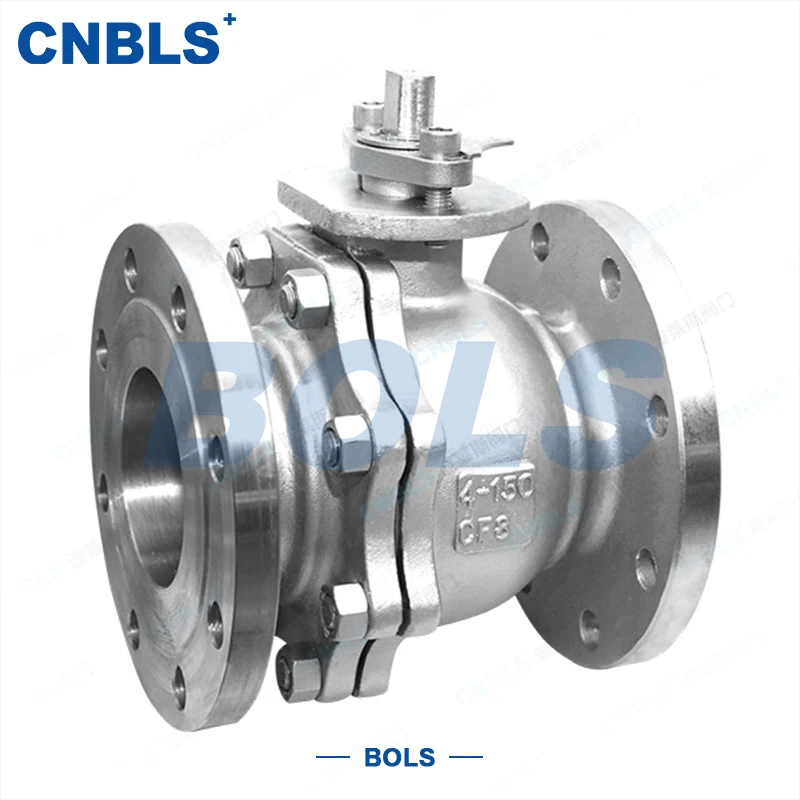

What Factors Determine the Pressure Rating of Stainless Steel Ball Valves?
A procurement engineer is specifying Stainless Steel Ball Valves for a chemical processing line. The system operates at 40 bar, and the engineer selects a valve with a 63 bar rating, assuming that the higher rating provides a safety margin. The valves are installed, and within a few months, several of them begin to leak at the stem seal. The engineer is puzzled. The valves are rated for 63 bar, and the system pressure never exceeds 40 bar. The problem is that the engineer assumed the pressure rating was a single, universal number. In reality, the pressure rating of a Stainless Steel Ball Valve is a function of several factors, including the body material, the wall thickness, the seat material, the end connection, and the operating temperature. A valve that is rated for 63 bar at room temperature may only be rated for 40 bar at 150°C. Understanding these factors is essential for selecting a valve that will perform reliably in the actual operating conditions.
This guide is written for buyers who need to specify Stainless Steel Ball Valves for industrial applications. We will explain the factors that determine the pressure rating, how the rating changes with temperature, the role of the valve's construction and materials, and the standards that govern pressure ratings. We will also provide detailed product parameters from our factory at Zhejiang Bolaisi Valve Co., Ltd. Whether you are sourcing valves for chemical processing, water treatment, oil and gas, or food and beverage, this guide will help you select the right valve for your pressure requirements.
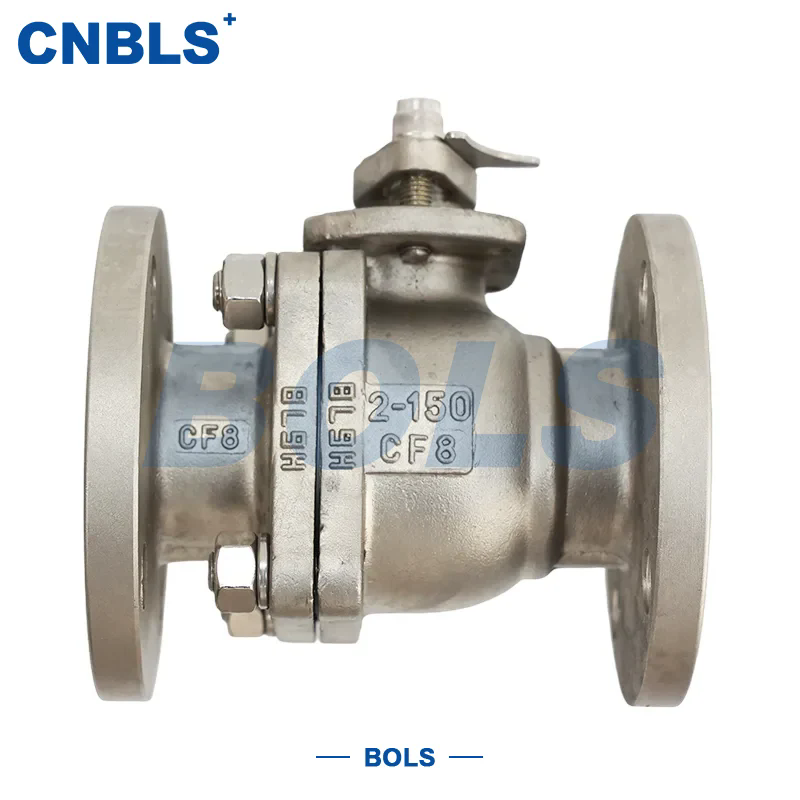
Table of Contents
- 1. What Does the Pressure Rating of a Stainless Steel Ball Valve Actually Mean?
- 2. How Does Temperature Affect the Pressure Rating?
- 3. What Role Do Body Material and Wall Thickness Play?
- 4. How Does Seat Material Limit the Pressure Rating?
- 5. How Do End Connections and Standards Affect the Rating?
- 6. What Are the Key Product Parameters from Our Factory?
- 7. Frequently Asked Questions (FAQ)
- 8. Conclusion
1. What Does the Pressure Rating of a Stainless Steel Ball Valve Actually Mean?
The pressure rating of a Stainless Steel Ball Valve is the maximum pressure that the valve can withstand under a specific set of conditions. It is not a single, absolute number. It is a value that is determined by the valve's design, materials, and construction, and it is only valid for the temperature and media specified. The pressure rating is typically expressed in bar, psi, or as a nominal pressure (PN) or class rating (Class 150, 300, 600, etc.). The rating applies to the valve's body and its pressure-containing components, including the stem and the end connections. It does not necessarily apply to the seat, which may have a lower pressure limit. The table below summarizes the common pressure rating designations.
| Rating System | Examples | Typical Application |
| PN (Nominal Pressure) | PN16, PN40, PN63, PN100 | European and international standards |
| Class (ASME) | Class 150, 300, 600, 900 | North American standards |
| Bar / PSI | 16 bar, 40 bar, 63 bar, 100 bar | General industrial specifications |
At Zhejiang Bolaisi Valve Co., Ltd., our factory manufactures Stainless Steel Ball Valves with pressure ratings from PN16 to PN100 and Class 150 to Class 600. We also offer high-pressure valves for specialized applications. Our engineering team can help you interpret pressure ratings and select the right valve for your system. We understand that the pressure rating is not just a number; it is a statement of the valve's capability under specific conditions.
2. How Does Temperature Affect the Pressure Rating?
Temperature has a significant effect on the pressure rating of a Stainless Steel Ball Valve. As the temperature rises, the strength of the stainless steel decreases, and the seat material may soften or degrade. This means that the pressure rating at elevated temperatures is lower than the rating at room temperature. The relationship between temperature and pressure rating is defined by the valve's pressure-temperature (P-T) curve. The P-T curve is a graph or table that shows the maximum allowable pressure at each temperature. For example, a valve rated for PN40 at 20°C may only be rated for PN25 at 150°C. The P-T curve is determined by the valve's design, materials, and the applicable standard. The table below shows a typical P-T curve for a stainless steel ball valve with PTFE seats.
| Temperature (°C) | Maximum Allowable Pressure (bar) | Seat Material |
| -20 to 20 | 40 | PTFE |
| 50 | 38 | PTFE |
| 100 | 32 | PTFE |
| 150 | 25 | PTFE |
| 200 | 18 | PTFE |
| 250 | 12 | PTFE |
At our factory, we provide detailed P-T curves for every Stainless Steel Ball Valve we manufacture. We also offer valves with alternative seat materials, such as PEEK or metal, for higher-temperature applications. Our engineering team can help you select the right valve for your operating temperature and pressure.
3. What Role Do Body Material and Wall Thickness Play?
The body material and wall thickness are fundamental determinants of the pressure rating. The body of a Stainless Steel Ball Valve is typically made from stainless steel grades such as 304, 316, or 316L. These grades have different yield strengths and corrosion resistances. The wall thickness of the body must be sufficient to contain the pressure without exceeding the allowable stress of the material. The required wall thickness is calculated using the ASME Boiler and Pressure Vessel Code or the applicable standard. A thicker wall provides a higher pressure rating, but it also increases the weight and cost of the valve. The table below summarizes the effect of wall thickness on pressure rating for a typical stainless steel ball valve.
| Body Material | Wall Thickness (mm) | Pressure Rating (bar) | Standard |
| 316 Stainless Steel | 2.0 | 16 | PN16 |
| 316 Stainless Steel | 2.5 | 40 | PN40 |
| 316 Stainless Steel | 3.0 | 63 | PN63 |
| 316 Stainless Steel | 3.5 | 100 | PN100 |
| 304 Stainless Steel | 3.0 | 40 | PN40 |
At CNBLS, our factory uses high-quality stainless steel from certified suppliers. We calculate the wall thickness for each valve based on the required pressure rating and the applicable standard. We also verify the wall thickness during production with ultrasonic thickness gauges to ensure that it meets the specification. Our goal is to provide our customers with valves that have a reliable and verifiable pressure rating.
4. How Does Seat Material Limit the Pressure Rating?
The seat material is often the limiting factor in the pressure rating of a Stainless Steel Ball Valve. The seat is the component that seals against the ball, and it is typically made from a polymer such as PTFE, PEEK, or a reinforced composite. These materials have lower strength and temperature resistance than stainless steel. At high pressures, the seat can deform or extrude, leading to leakage. The pressure rating of the seat is determined by its material properties, its design, and the support provided by the valve body. PTFE, for example, has excellent chemical resistance and a low coefficient of friction, but it has a limited pressure rating, especially at elevated temperatures. PEEK has a higher pressure rating and a higher temperature limit, but it is more expensive. Metal seats are used for the highest pressure ratings, but they require higher operating torque and may not provide a bubble-tight seal. The table below compares the pressure ratings of common seat materials.
| Seat Material | Max Pressure at 20°C (bar) | Max Pressure at 150°C (bar) | Typical Application |
| PTFE | 40 | 25 | Chemical, water, food |
| Reinforced PTFE | 63 | 40 | Chemical, steam |
| PEEK | 100 | 63 | High-pressure, high-temperature |
| Metal (Stellite) | 200+ | 150+ | Extreme pressure and temperature |
At our factory, we offer valves with a range of seat materials to suit different pressure and temperature requirements. We also provide reinforced seat designs that use a backup ring to prevent extrusion at high pressures. Our engineering team can help you select the right seat material for your application.
5. How Do End Connections and Standards Affect the Rating?
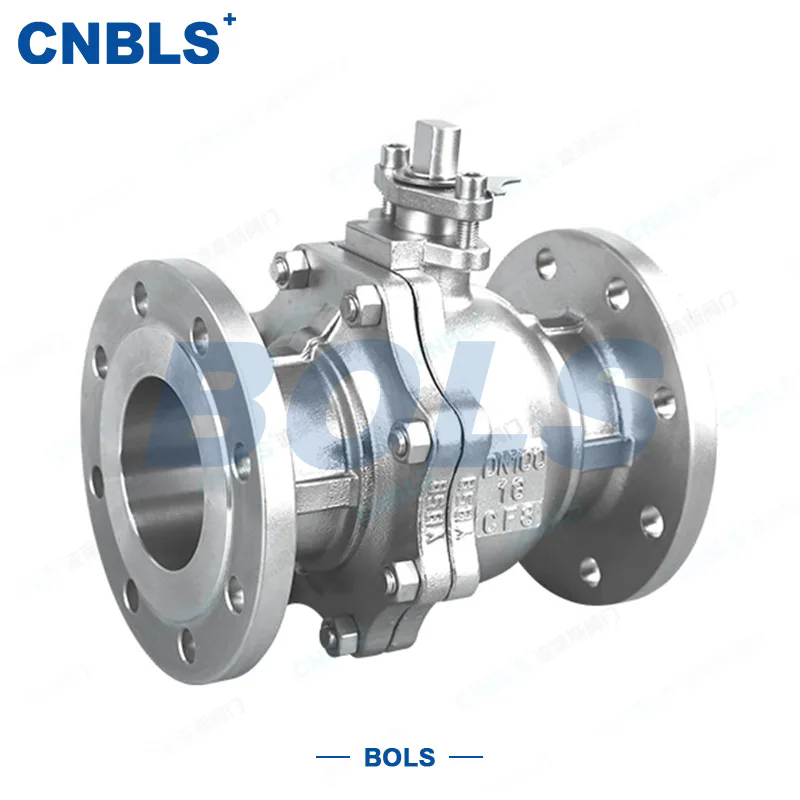
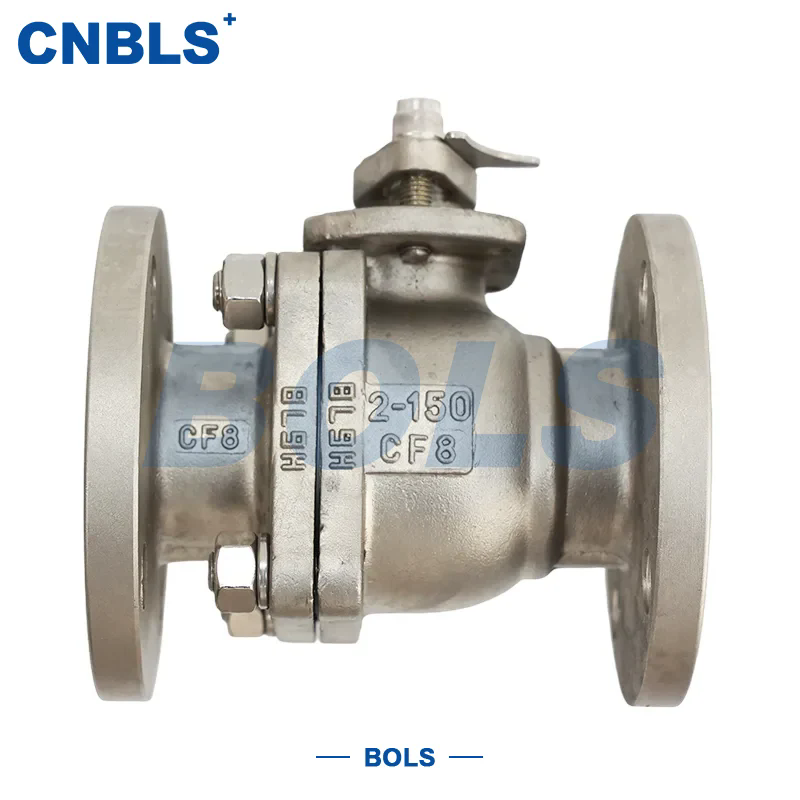
The end connections of a Stainless Steel Ball Valve also affect its pressure rating. The most common end connections are threaded, flanged, and welded. Threaded connections are typically rated for lower pressures than flanged or welded connections. Flanged connections are rated according to the flange standard, such as ASME B16.5 or EN 1092-1. Welded connections provide the highest pressure rating because they eliminate the potential for leakage at the connection. The pressure rating of the valve must be compatible with the rating of the connected piping. The standards that govern pressure ratings, such as ASME B16.34, EN 12516, and API 6D, define the requirements for wall thickness, material properties, and testing. The table below summarizes the pressure ratings of common end connections.
| End Connection | Typical Pressure Rating (bar) | Standard |
| Threaded (NPT/BSP) | 16 - 63 | ASME B1.20.1, ISO 7-1 |
| Flanged (Class 150) | 20 | ASME B16.5 |
| Flanged (Class 300) | 50 | ASME B16.5 |
| Flanged (Class 600) | 100 | ASME B16.5 |
| Butt Weld | 100+ | ASME B16.25 |
At Zhejiang Bolaisi Valve Co., Ltd., our factory manufactures Stainless Steel Ball Valves with threaded, flanged, and welded end connections. We ensure that the pressure rating of the valve is compatible with the rating of the end connection and the connected piping. We also provide valves that comply with ASME B16.34, EN 12516, and API 6D. Our goal is to provide our customers with valves that meet the requirements of their system and the applicable standards.
6. What Are the Key Product Parameters from Our Factory?
The following table provides the key product parameters for our Stainless Steel Ball Valves. These valves are designed for a wide range of industrial applications, including chemical processing, water treatment, oil and gas, and food and beverage. Our factory can also produce custom valves to meet specific requirements.
| Parameter | Specification Range | Notes |
| Size | DN15 - DN200 (1/2" - 8") | Larger sizes available |
| Pressure Rating | PN16 - PN100, Class 150 - 600 | Higher ratings available |
| Body Material | 304, 316, 316L Stainless Steel | Selected for corrosion resistance |
| Ball Material | 304, 316, 316L Stainless Steel | Matches body material |
| Seat Material | PTFE, Reinforced PTFE, PEEK, Metal | Selected for pressure and temperature |
| End Connection | Threaded, Flanged, Butt Weld | Selected for piping system |
| Operation | Manual, Pneumatic, Electric | Automated options available |
| Temperature Range | -20°C to +250°C | Depends on seat material |
| Standards | ASME B16.34, EN 12516, API 6D | Compliance with international standards |
| MOQ | 10 pieces | Negotiable for large orders |
| Lead Time | 2 - 4 weeks | Depends on quantity and customization |
At our factory, we manufacture our Stainless Steel Ball Valves to meet these specifications and more. We can customize the size, pressure rating, materials, and end connections to suit your specific requirements. Our quality control system includes pressure testing, material certification, and dimensional inspection before shipment. Our goal is to provide our customers with high-quality valves that meet their pressure requirements.
7. Frequently Asked Questions (FAQ)
Question 1: Why does the pressure rating of a stainless steel ball valve decrease at higher temperatures?
Answer: The pressure rating decreases at higher temperatures because the strength of the stainless steel body decreases and the seat material softens. The valve is designed to contain pressure at a specific maximum stress level, and as the temperature rises, the allowable stress decreases. Additionally, the seat material may deform or extrude more easily at high temperatures, reducing the sealing capability. The pressure-temperature curve provided by the manufacturer shows the maximum allowable pressure at each temperature.
Question 2: Can I use a PN40 valve in a system that operates at 40 bar?
Answer: It depends on the operating temperature and the seat material. A PN40 valve is rated for 40 bar at room temperature, but the rating decreases at higher temperatures. If the system operates at 40 bar and 100°C, a PN40 valve with a PTFE seat may not be suitable, because the pressure rating at 100°C is typically lower than 40 bar. You should always check the pressure-temperature curve for the specific valve and ensure that the rating at the operating temperature exceeds the system pressure.
Question 3: What is the difference between the body pressure rating and the seat pressure rating?
Answer: The body pressure rating is the maximum pressure that the valve body can contain without exceeding the allowable stress of the material. The seat pressure rating is the maximum pressure that the seat can seal against without leaking. The seat rating is often lower than the body rating, especially at high temperatures. The overall pressure rating of the valve is the lower of the two. When selecting a valve, you must ensure that both the body and the seat are rated for the operating pressure and temperature.
Question 4: How do I verify the pressure rating of a stainless steel ball valve?
Answer: The pressure rating is typically marked on the valve body and stated in the product datasheet. The datasheet should include the pressure-temperature curve and the applicable standard. You can also request a pressure test certificate from the manufacturer. At Zhejiang Bolaisi Valve Co., Ltd., we provide a pressure test certificate with every valve, and we can provide the P-T curve for the specific model you are considering.
Question 5: What is the maximum pressure rating available for a stainless steel ball valve?
Answer: The maximum pressure rating depends on the size, the body material, the seat material, and the end connection. Our standard valves are rated up to PN100 (100 bar) or Class 600. For higher pressures, we offer valves with PEEK or metal seats and welded end connections, which can be rated up to 200 bar or more. For extremely high-pressure applications, special designs may be required. Please contact our engineering team to discuss your specific requirements.
8. Conclusion
The pressure rating of a Stainless Steel Ball Valve is determined by a combination of factors: the body material and wall thickness, the seat material, the end connection, and the operating temperature. Understanding these factors is essential for selecting a valve that will perform reliably in the actual operating conditions. A valve that is rated for a certain pressure at room temperature may have a much lower rating at elevated temperatures. The seat material is often the limiting factor, and the end connection must be compatible with the piping system. At Zhejiang Bolaisi Valve Co., Ltd., our factory has the expertise and the equipment to manufacture Stainless Steel Ball Valves that meet the most demanding pressure requirements. We provide detailed pressure-temperature curves and pressure test certificates with every valve, and our engineering team is available to assist with valve selection.
Whether you are sourcing valves for chemical processing, water treatment, oil and gas, or food and beverage, we invite you to contact us to discuss your requirements. We can provide samples, technical data, and customized solutions. Our commitment to quality and customer satisfaction has made us a trusted partner for businesses around the world.
Contact Zhejiang Bolaisi Valve Co., Ltd. today to discuss your Stainless Steel Ball Valve requirements and discover how our valves can meet your pressure and temperature specifications.
Next :
-
Related News
- What Makes Ball Valves Essential for Water Treatment and Desalination Plants?
- Basic Knowledge of Industrial Valves
- How Does the Ball Valve Achieve Zero Leakage with Soft Seat Sealing Materials?
- What Makes Ball Valves the Preferred Choice for High-Pressure and High-Temperature Services?
- How does Ball Valve maintain tight sealing under high-temperature conditions?
- Why Is a Two Piece High Platform Flanged Ball Valve a Smart Choice for Modern Industrial Pipeline Control
Leave me a message