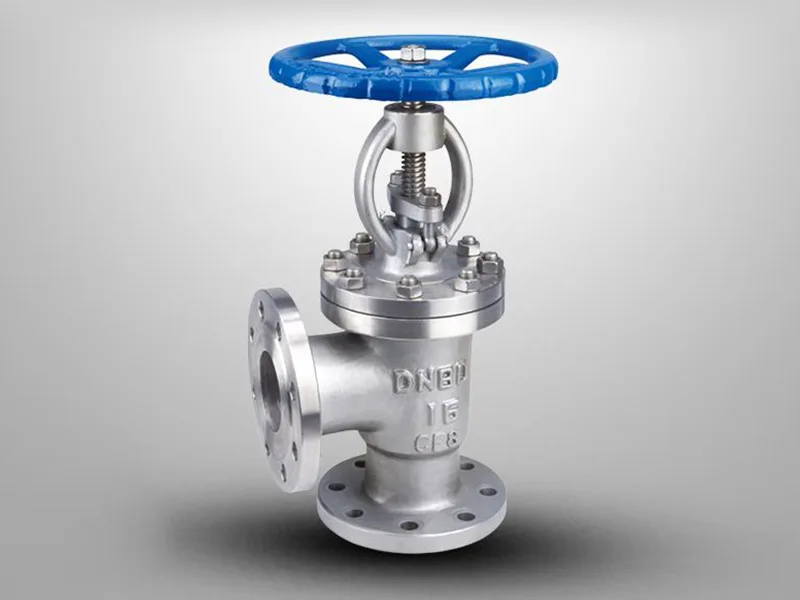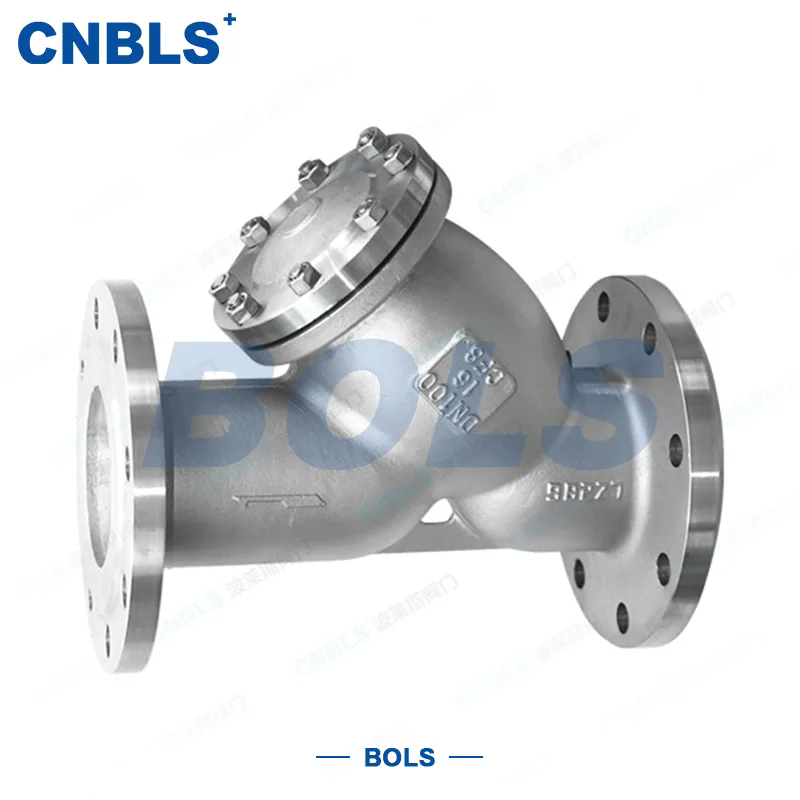

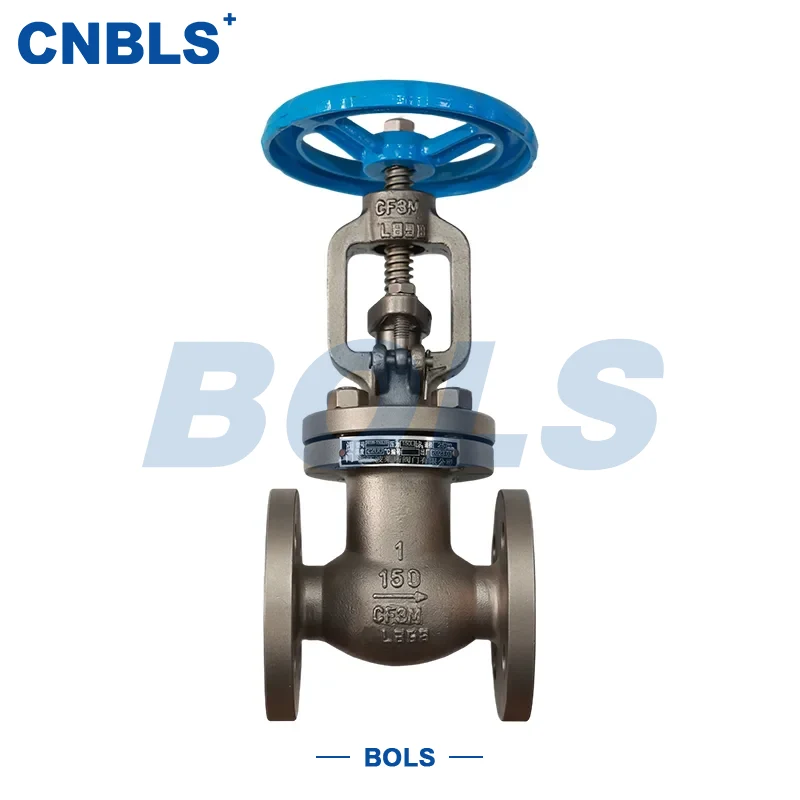
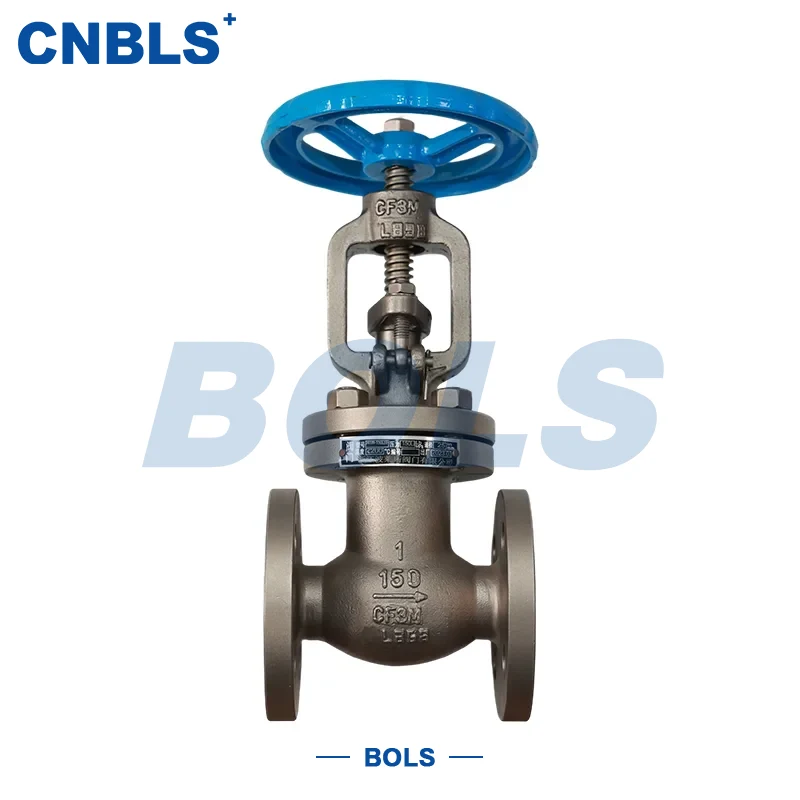
Stainless Steel American Standard Globe Valves
Bolaisi provides stable, durable, and cost-effective industrial valve solutions with consistent quality for global customers.As a professional manufacturer and supplier, Bolaisi produces Stainless Steel American Standard Globe Valves with advanced technology and strict quality control, meeting API 602 and ASME standards.These valves offer strong corrosion resistance, reliable sealing, and long service life. We support customized designs and wholesale services to fit different industrial applications.
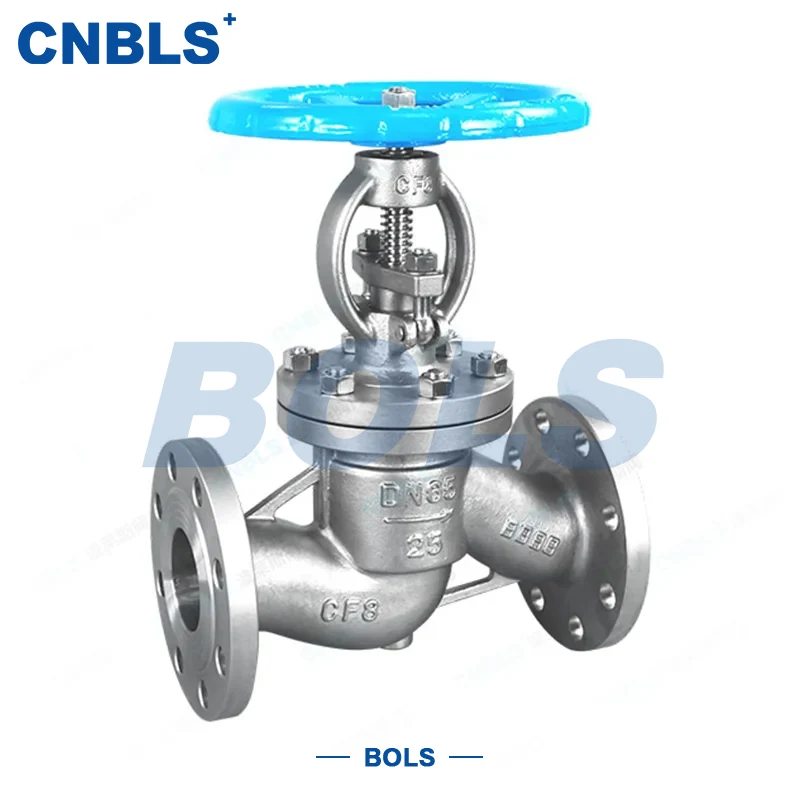
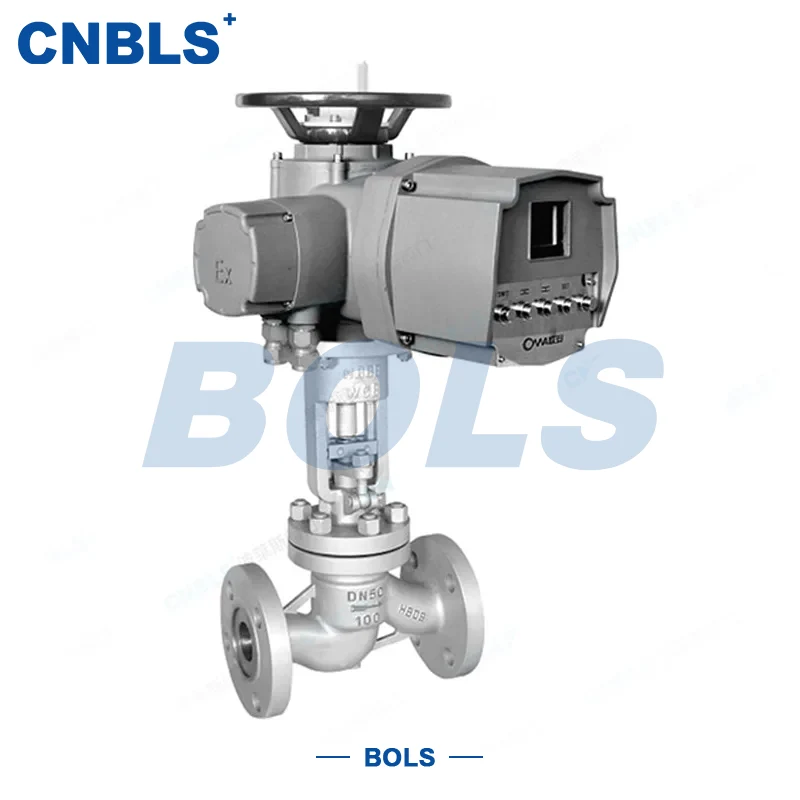
Stainless Steel American Standard Globe Valves are critical shut-off and regulating devices in industrial automated piping systems.They control flow and provide precise throttling by moving the disc via the valve stem (manual or electric), ensuring stable pipeline operation.
Designed and manufactured to strict US standards including API and ASME, the valves feature high-corrosion-resistant austenitic stainless steel and ANSI flanged or threaded connections.They deliver excellent sealing, stable regulation and strong corrosion resistance for high-temperature, high-pressure and corrosive environments.
Widely used in oil, chemical, LNG, power, pharmaceutical and other high-end industries, these valves can be customized in structure, material and actuation to meet diverse application demands, providing reliable protection for safe and efficient industrial production.
Selection Points
Proper selection directly determines valve compatibility and service life. Selection must be based on operating conditions, medium characteristics and American standards to ensure ideal performance.
Pressure & Temperature Matching
Verify working pressure and medium temperature in strict accordance with ANSI/ASME B16.34.Do not use the valve beyond rated conditions to avoid damage, leakage or safety hazards.
Material Selection
Light corrosion: 304 stainless steel
Strong corrosion (chlorine, acid, etc.): 316L stainless steel for improved corrosion resistance and longer life.
Seal & Flange Selection
High-pressure, high-temperature or particle-laden service: metal hard seal + RJ (Ring Joint) flange for maximum sealing reliability.
General service: RF (Raised Face) flange for practicality and economy.
Actuation Selection
Remote control or high-frequency operation: electric or pneumatic actuator with NEMA explosion-proof and protection rating.
Small-medium bore, low-frequency operation: manual handwheel to reduce cost.
Sealing Class Matching
Toxic, flammable or explosive media: soft seal (API 598 Class VI) for zero leakage.
General service: metal seal (API 598 Class IV) for balanced sealing and durability.
Operation and Maintenance Notes
Correct operation and regular maintenance extend service life and reduce operating costs.
Pre-Installation Inspection
Verify valve model, pressure class and material match actual service conditions.Clean all dirt, oil and impurities from flange sealing surfaces.
Standard Installation
Install according to the flow direction marked on the valve body: low inlet, high outlet.Reverse installation will increase operating torque, cause seal failure or damage components.
Electric Valve Commissioning
Check wiring before testing. Run no-load trials to confirm correct rotation direction and limit settings before putting into service.
Regular Maintenance
Periodically inspect packing gland sealing.Minor leakage can be corrected by evenly tightening the packing follower.Replace packing promptly if leakage is severe.
Restart After Long-Term Storage
Before startup, turn the stem manually (switch electric valves to manual mode).Ensure no binding or abnormal noise before resuming normal operation.
Technical Parameters
|
Parameter Item |
Parameter Value |
|
Basic Model |
Stainless Steel American Standard Globe Valves(e.g., API 602 J41W/H-300LB, J941W/H-600LB) |
|
Nominal Diameter |
NPS 1/2 ~ NPS 12 (DN15 ~ DN300) |
|
Nominal Pressure |
Class 150/300/600/900/1500/2500 (ANSI/ASME B16.34) |
|
Valve Body Material |
ASTM A182 F304, F316, F304L, F316L |
|
Valve Core Material |
Body-matching stainless steel; Stellite overlay (ASTM A417); hard alloy overlay (API 602) |
|
Sealing Surface Material |
H: Hard alloy; W: Body material; F: PTFE (ASTM D1710); Y: Stellite (ASTM A417) |
|
Connection Type |
Flanged (RF, RJ); ANSI/ASME B16.5, B16.47; NPT thread for small bores |
|
Actuation Type |
Manual (handwheel, API 602); Electric (multi-turn, NEMA 4/4X); Pneumatic (double/single acting); Bevel gear |
|
Applicable Temperature |
H/Y/W:-29℃ ~ +425℃; F:-29℃ ~ +200℃ (ANSI/ASME B16.34) |
|
Applicable Medium |
Water, steam, oil, natural gas, LPG, process media, corrosive chemical media (API 602) |
|
Sealing Performance |
Metal seal: API 598 Class IV; Soft seal: API 598 Class VI |
|
Shell Test Pressure |
1.5 × Nominal Pressure (API 598) |
|
Seal Test Pressure |
1.1 × Nominal Pressure (API 598) |
|
Design & Manufacturing Standard |
API 602, ANSI/ASME B16.34, ASTM A182/A351, ANSI/ASME B16.10 |
|
Installation Standard |
ANSI/ASME B16.5, ASME B31.3 |
Core Attributes
|
Category |
Specification |
|
Pressure Class |
Class 150/300/600/900/1500/2500 |
|
Connection Type |
Flanged (RF, RJ); Threaded (NPT, small bore) |
|
Structure Type |
Straight-through Flow Channel; OS&Y (Outside Screw & Yoke) |
|
Seal Type |
Metal Hard Seal; PTFE Soft Seal |
|
Actuation Mode |
Manual, Electric, Pneumatic |
Component Materials
Components comply with US standards for corrosion resistance, wear resistance and sealing.
|
Component |
Material Specification |
|
Valve Body / Bonnet |
ASTM A182 F304 / A351 CF8; F316 / CF8M; F316L / CF3M |
|
Valve Stem |
ASTM A182 F316; 17-4PH (ASTM A193 630) |
|
Valve Core / Seat |
Stellite overlay (ASTM A417); body seal; PTFE (ASTM D1710) |
|
Gland Packing |
Flexible Graphite; PTFE Braided Packing |
|
Bolt / Nut |
ASTM A193 B8/B8M; ASTM A194 8/8M |
|
Electric Actuator Housing |
Aluminum alloy (anodized); Stainless steel (corrosive service) |
Design & Manufacturing Standards
Stainless Steel American Standard Globe Valves are designed, manufactured, and tested in accordance with stringent American standards such as API and ASME. Every process meets the specifications, ensuring product quality, stable performance, and compatibility with global American standard piping systems. Specific standards are as follows:
● Valve Body Design: API 602, ANSI/ASME B16.34
● Face-to-Face Dimensions: ANSI/ASME B16.10
● Flange Dimensions: ANSI/ASME B16.5, ANSI/ASME B16.47
● Pressure-Temperature Ratings: ANSI/ASME B16.34
● Testing & Inspection: API 598, ANSI/ASME B16.104
● Material Standards: ASTM A182, ASTM A351
Related Category
Send Inquiry
Contact Info
-
Address
638 Binhai 9th Road, Longwan District, Wenzhou City, Zhejiang Province, China
-
Tel
-
Email
For inquiries about our products or pricelist, please leave your email to us and we will be in touch within 24 hours.

News Recommendations