
How Can Stainless Steel Ball Valves Help Simplify Maintenance in Industrial Pipelines?
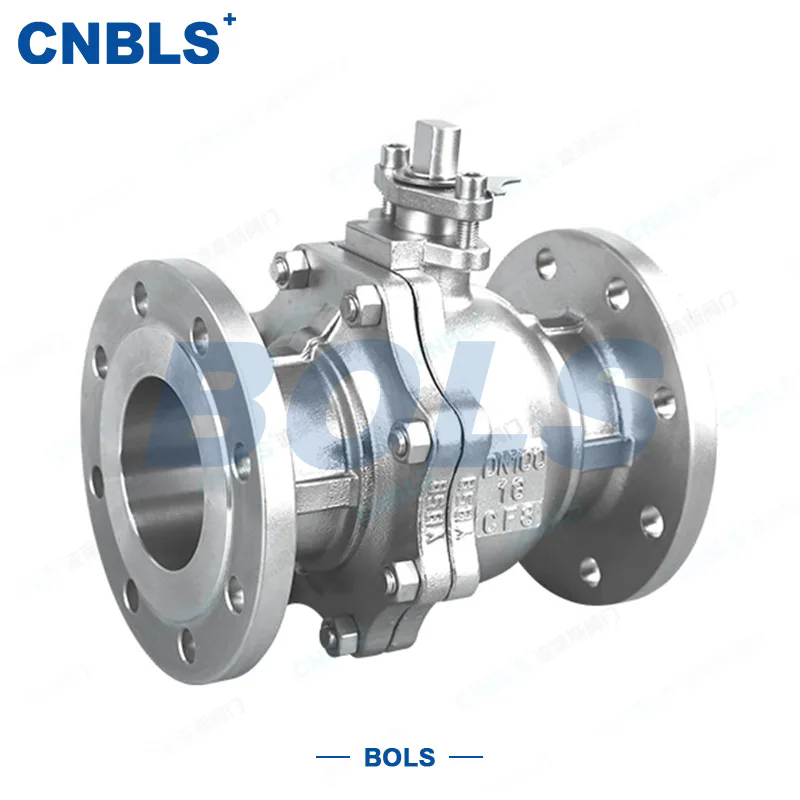
Industrial pipeline maintenance is not simply about repairing a valve after a failure. It involves selecting equipment that is accessible, reliable and appropriate for the operating conditions from the beginning. Stainless Steel Ball Valves can help simplify this work through their compact construction, quarter-turn operation, corrosion-resistant body options and availability in different connection and actuation configurations. When correctly selected, installed and maintained, they can make routine isolation more straightforward, support more predictable inspection procedures and help maintenance teams reduce unnecessary intervention in process lines. Their actual maintenance requirements still depend on the fluid, pressure, temperature, sealing arrangement and operating frequency.
Zhejiang Bolaisi Valve Co., Ltd. supplies stainless steel valve products with 304 and 316 material options, working pressure specifications listed from 0.6 to 30 MPa and a stated temperature range of -40°C to 450°C. Available connection options include flanged, threaded and welded configurations, while operation can be manual, electric or pneumatic. These choices allow buyers to consider different pipeline layouts and control requirements. For our maintenance planning, however, the key is to match each configuration to the actual service conditions rather than assume that every model covers the full published range. A suitable valve should be easy to operate, accessible for inspection and supported by clear model-specific technical documentation.
How Does Valve Design Make Routine Pipeline Maintenance Easier?
Maintenance efficiency begins with the way a valve operates and how it is integrated into a pipeline. In many industrial systems, operators need to isolate a section of pipe for equipment replacement, filter cleaning, instrument inspection or process adjustment. A valve that requires complicated operation or excessive space can make these routine tasks slower. A quarter-turn ball valve uses a rotating ball with a bore through its centre. In a typical full-open or full-closed arrangement, turning the stem through approximately 90 degrees moves the ball between the two positions. This straightforward operating principle makes the valve practical for frequent isolation duties where the selected design is suitable for the service.
The compact operating movement can be useful in installations where access is limited. Compared with multi-turn valve arrangements, a quarter-turn mechanism generally allows operators to move between open and closed positions with a shorter operating movement. For manual configurations, a lever or suitable gear operator provides a visible operating interface. Electric and pneumatic options can support remote or automated operation when the pipeline design requires it. However, ease of operation should never be confused with permission to operate a valve under unsafe conditions. Before maintenance begins, the pipeline must be isolated according to the site's lockout and process-safety procedures, and any trapped pressure or hazardous fluid must be safely managed.
The internal ball and seat arrangement is another important part of maintenance planning. When the ball rotates, its surface moves against the seating elements. The condition of these components influences shut-off performance, operating torque and leakage behaviour. If the seat material is not compatible with the process fluid or temperature, premature wear, swelling, hardening or deformation may occur. This is why a valve should not be selected solely because its body is stainless steel. Buyers must also establish the seat and seal materials, the permitted temperature range of those materials and their compatibility with the medium.
For our maintenance teams, the practical advantages of a suitable design can be assessed through several operating considerations:
- Clear operating position: A manual lever can make the open or closed position easier to identify, provided the installation orientation and position indication are correct.
- Short operating movement: Quarter-turn operation can reduce the time needed for routine isolation compared with mechanisms requiring multiple turns.
- Accessible components: Adequate clearance around the stem, handle, actuator and connection points makes inspection and servicing easier.
- Appropriate sealing arrangement: Correctly selected seats and seals help maintain shut-off performance under the specified conditions.
- Suitable connection type: The connection should match the pipeline design and the maintenance method planned for that section.
- Actuation compatibility: Manual, electric or pneumatic operation should be selected according to accessibility, operating frequency and control-system requirements.
Body material also influences the long-term maintenance burden. Stainless steel is used in many industrial environments because it offers corrosion resistance, but performance depends on the grade, fluid chemistry, concentration, temperature and exposure conditions. Grade 304 stainless steel is used in a broad range of general industrial and utility applications. Grade 316 contains molybdenum, which generally improves resistance to certain forms of corrosion, particularly in environments involving chlorides. This does not mean that 316 is immune to corrosion. Chloride concentration, temperature, crevice conditions, deposits and stress can still contribute to localised corrosion, including pitting and crevice attack.
In chemical processing, water treatment and marine-related installations, material selection should be based on the actual fluid composition and operating conditions. A valve that performs well in a clean-water line may not be suitable for a concentrated chemical solution or a hot process stream. Our procurement review should therefore include the fluid name, concentration, expected contaminants, normal and abnormal temperatures, pressure range and cleaning chemicals used during maintenance. If the application involves seawater, aggressive chemicals or other demanding media, the material grade should be checked against recognised corrosion data and the supplier's technical recommendations.
Another consideration is the condition of the pipeline around the valve. Corrosion at the body, stem area or connection can make maintenance difficult even if the internal ball remains functional. External inspection should look for rust staining, deposits, leakage around the stem, damaged coatings where applicable and signs of mechanical impact. Stainless steel should not be treated as maintenance-free. Good installation practices, compatible adjacent materials and appropriate cleaning procedures remain necessary to preserve serviceability.
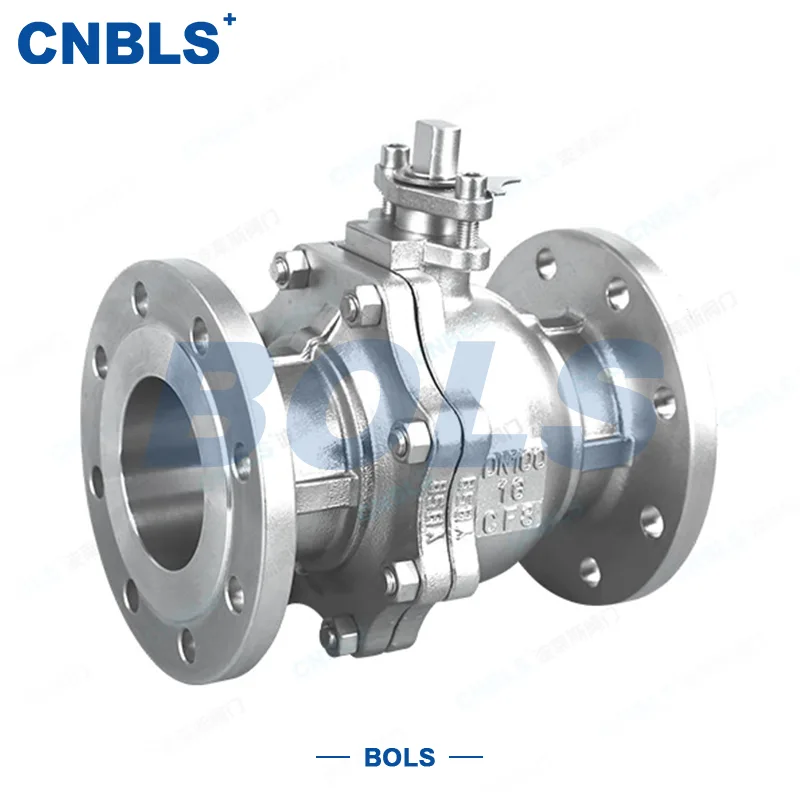
Connection design can also determine how much work is involved when a valve needs replacement. A flanged configuration is often convenient in larger industrial pipelines or locations where periodic removal is anticipated. Bolted connections allow the valve to be separated from the pipeline after the system has been safely isolated and depressurised. Threaded configurations can be practical for smaller pipework, instrument connections and utility services, subject to the pressure rating and applicable thread standard. Welded connections provide a permanent pipeline joint and can reduce the number of detachable interfaces, but removing a welded valve generally requires cutting and subsequent welding work.
Each arrangement has a different maintenance trade-off. Flanged valves need suitable access to bolts and enough clearance for removal. Threaded valves require compatible thread forms, correct sealing practices and care during installation to avoid damage. Welded valves require qualified welding procedures and attention to heat input, alignment and post-weld requirements. A connection should therefore be selected based on the pipeline's maintenance strategy, not simply on installation cost.
Zhejiang Bolaisi Valve Co., Ltd. lists flanged, threaded and welded connections among its available options. Buyers should confirm the connection dimensions, facing, thread form, welding-end preparation and applicable standards for the exact model before ordering. This helps avoid a situation where a replacement valve has the correct nominal size but cannot be fitted to the existing pipeline without additional modifications.
Why Do Material, Pressure and Actuation Choices Matter for Maintenance?
A valve may be mechanically simple, but its maintenance requirements are strongly influenced by the conditions under which it operates. Pressure, temperature, fluid properties, cycling frequency and installation environment all affect the stress placed on the body, ball, stem, seats and seals. Choosing a configuration based only on nominal pipe size can result in premature wear or difficult maintenance. A reliable selection process begins with the process data and works towards the appropriate valve construction.
The available product information for Bolaisi identifies 304 and 316 stainless steel body options, a working pressure range of 0.6 to 30 MPa and a stated operating temperature range of -40°C to 450°C. These figures provide a broad indication of the product range, but they must be checked against the individual model's pressure-temperature rating. A valve's maximum pressure and maximum temperature should not be assumed to be simultaneously available. Pressure capability may decrease as temperature rises, and the permitted operating range can also be limited by the seat, packing, gasket and other non-metallic components.
| Specification | Available product information | Maintenance and selection considerations |
| Body material | 304 or 316 stainless steel | Confirm fluid compatibility, corrosion conditions and exact material grade. |
| Working pressure | 0.6 to 30 MPa stated range | Verify the rating for the selected size, model, connection and temperature. |
| Temperature range | -40°C to 450°C stated range | Confirm seat, packing and seal limits as well as the model-specific pressure-temperature curve. |
| Connection types | Flanged, threaded or welded | Match the pipeline interface and consider future removal or replacement requirements. |
| Operating methods | Manual, electric or pneumatic | Choose according to access, operating frequency, control requirements and available utilities. |
| Operating movement | Quarter-turn, approximately 90 degrees | Check operating torque, travel stops and position indication. |
| Valve construction | Ball-type shut-off arrangement | Confirm full-port or reduced-port design, ball configuration and internal component materials. |
| Seat and seal materials | Not specified in the available product information | Request exact material grades and verify chemical and temperature compatibility. |
| Size range and standards | Not specified in the available product information | Obtain the model-specific dimensional drawing and applicable design and testing standards. |
Pressure selection deserves particular attention in systems with pumps, compressors or rapidly changing process conditions. A valve that is exposed to pressure surges may experience loads beyond the normal steady-state operating pressure. Water hammer, rapid closure, pump start-up and process upsets can create transient pressure conditions. The pipeline designer should assess these events and determine whether the selected valve and the surrounding piping system can safely withstand them. Maintenance personnel should also avoid using a valve as a substitute for a pressure-relief device unless the system is specifically designed for that function.
Temperature affects more than the stainless steel body. Seat and packing materials can soften, harden, lose elasticity or experience changes in friction when exposed to temperatures outside their intended range. A valve may therefore have a metal body capable of tolerating a particular temperature while its soft components impose a lower limit. This distinction is important when evaluating the stated upper temperature of 450°C. Buyers must request the exact seat and sealing arrangement and confirm the complete assembly's rating before specifying the valve for high-temperature service.
For our engineering review, the process information should include:
- Normal operating pressure and the maximum credible pressure.
- Normal operating temperature and any start-up or shutdown extremes.
- Fluid composition, concentration, viscosity and corrosive characteristics.
- Presence of suspended solids, deposits or abrasive particles.
- Required shut-off performance and leakage acceptance criteria.
- Frequency of operation and expected number of cycles.
- Available space for the handle, actuator and maintenance access.
- Applicable pipeline design codes and project specifications.
Actuation is another decision that can change the way a pipeline is maintained. Manual operation is often suitable for valves that are accessible and operated infrequently. It has a relatively straightforward arrangement and does not require an external power source. However, a manually operated valve may be inconvenient if it is installed at height, in a restricted area or at a location where frequent remote isolation is required.
Electric actuation can support remote operation and integration with a control system. It may be useful in process plants where valves are operated from a control room or need to follow an automated sequence. Maintenance planning must account for the actuator, electrical supply, wiring, control signals, limit switches and any required position feedback. Operators should also confirm whether manual override is available and understand the procedure for using it during a power interruption.
Pneumatic actuation can be appropriate where compressed air is available and fast operation is required. The actuator and its accessories introduce additional inspection points, including air supply quality, tubing, solenoid valves, positioners and fail-action arrangements. The selected actuator should provide sufficient torque for the valve under the expected differential pressure and operating conditions. Undersized actuation can lead to incomplete movement, while excessive torque may place unnecessary stress on valve components.
Our factory assessment should distinguish between the valve body and the complete actuated assembly. A quotation for an electric or pneumatic configuration should identify the actuator model, supply requirements, torque output, control interface and any accessories included. This prevents confusion when the valve is installed and connected to the plant's automation system.
Maintenance accessibility should also be considered before the pipeline is built. Operators need enough room to reach the handle, inspect the stem area and remove an actuator where required. Flanged valves need clearance for bolt removal and gasket replacement. Welded valves may need additional planning for isolation and cutting operations if replacement becomes necessary. A compact valve can save space, but it should not be installed so tightly that routine inspection becomes impractical.
For applications involving high operating temperatures, hazardous fluids or high pressure, the plant's engineering team should also establish the correct isolation procedure. A closed ball valve should not automatically be treated as proof that a section is safe to open. Depending on the valve design, pressure can remain trapped in the body cavity or downstream pipework. Depressurisation, draining, purging and verification procedures must follow the site's approved safety rules.
When selecting Stainless Steel Ball Valves, buyers should therefore evaluate the complete operating envelope rather than focus on one headline parameter. Bolaisi can be asked to provide model-specific pressure-temperature data, material details and connection drawings so the selected configuration can be checked against the plant's actual conditions.
How Can Maintenance Teams Reduce Downtime Through Better Inspection and Replacement Planning?
Even a well-selected valve needs an inspection strategy. Maintenance should be based on operating conditions, criticality and the consequences of failure rather than applying the same schedule to every valve in a plant. A valve used for clean utility water may require a different inspection frequency from one handling corrosive chemicals, abrasive slurry or high-temperature process media. Critical isolation points may also deserve more frequent checks because an unexpected failure can interrupt an entire production section.
A useful maintenance programme begins with a baseline record taken after installation and commissioning. The record should identify the valve model, serial or equipment tag, body material, size, pressure class or rating, connection type, actuator details and installation location. It should also record the normal operating position and the process service. Photographs of the installed arrangement can help technicians identify the correct equipment during later inspections.
Routine inspection should focus on observable signs of deterioration and changes in operation. These include leakage around the stem or body joints, corrosion, damaged handles, actuator faults, abnormal operating torque and visible damage to the pipeline connection. Operators should not force a valve that has become difficult to turn. Excessive force can damage the stem, actuator or internal sealing components and may create a more serious maintenance problem.
A practical inspection checklist can be organised around four areas:
- External condition: Check for corrosion, impact damage, deposits, loose fasteners and signs of leakage.
- Operating condition: Observe whether the valve moves smoothly and reaches its intended position without abnormal resistance.
- Connection integrity: Inspect flange joints, threaded interfaces or welded areas for visible deterioration and leakage.
- Actuator condition: For electric or pneumatic arrangements, inspect power or air connections, control accessories and position feedback.
Inspection findings should be recorded in a maintenance management system or equipment log. A record that simply states that a valve was checked is less useful than one that identifies the condition observed, the test performed and any corrective action required. Tracking operating torque, leakage reports and actuator faults over time can help identify gradual deterioration before it causes an unplanned shutdown.
Our maintenance plan should also distinguish between external inspection and internal servicing. External checks can often be completed while the valve remains installed, provided the system is in a safe condition. Internal inspection or replacement of seats, seals and other components normally requires the valve to be removed or opened according to the manufacturer's instructions. The system must be isolated, depressurised, drained and made safe before such work begins. For hazardous fluids, additional flushing, purging or decontamination may be required.
Internal servicing should not be attempted simply because a valve has reached an arbitrary operating period. The decision should be based on inspection results, operating history, leakage behaviour and the manufacturer's maintenance guidance. Some valve designs are intended to be serviced in a particular way, while others may require replacement of the complete assembly. The available product information does not specify the seat and seal construction or a universal repair procedure, so maintenance personnel should obtain the correct sectional drawing and service instructions for the exact model.
Replacement planning is often overlooked until a valve fails. In a plant with multiple process lines, waiting for an urgent replacement can extend downtime if the correct body material, pressure rating, connection dimensions or actuator configuration is not immediately available. A spare-parts strategy should identify critical valves and record the information needed to source a compatible replacement. This is particularly important for older installations where the original model may have been modified or discontinued.
Before ordering a replacement, maintenance teams should compare the following details:
- Nominal size and connection: Confirm the actual dimensions and interface rather than relying only on the equipment tag.
- Pressure and temperature rating: Verify the rating for the process conditions and selected configuration.
- Body and trim materials: Check the material grade of the body, ball, stem and other wetted components where specified.
- Seat and seal construction: Confirm compatibility with the process fluid and temperature.
- Face-to-face or end-to-end dimensions: Ensure the replacement fits the existing pipeline arrangement.
- Actuator and control details: Confirm torque, power or air supply, control signal and mounting interface.
- Applicable standards: Check the project or plant requirements for design, testing and connection standards.
For a flanged replacement, the maintenance team should also inspect the mating flanges and determine whether new gaskets and fasteners are required. Bolt tightening should follow the applicable procedure and project requirements. For threaded valves, technicians should use a compatible sealing method and avoid excessive tightening that could damage the connection. Welded replacements require an approved welding procedure and consideration of heat effects on the valve and nearby components.
Spare-parts management should include more than storing a complete replacement valve. Depending on the design and criticality, a plant may need actuator accessories, mounting hardware, gaskets or manufacturer-approved service components. However, stocking internal soft parts is only useful when their exact material and compatibility are known. Using an unverified replacement seat or seal can introduce a new failure risk, particularly in chemical or high-temperature service.
Our factory inspection records should be linked to the equipment tag and purchase documentation. This allows the plant to compare the installed valve with the replacement proposal and reduces the chance of ordering a visually similar but technically different product. Clear records also help maintenance contractors understand the pipeline arrangement before attending site.
Operational procedures are just as important as the hardware. A ball valve designed for isolation should not automatically be used for continuous throttling unless the manufacturer confirms that the particular design is suitable for that duty. Prolonged operation in a partially open position can expose the ball and seats to high-velocity flow, localised erosion or uneven loading. Where flow regulation is required, the engineering team should evaluate a valve specifically designed for control service.
Maintenance teams should also avoid cycling a valve unnecessarily. Regular functional checks may be required by the site's maintenance programme, but the frequency should reflect the service and equipment criticality. A valve that remains unused for long periods may require a controlled operating check, while a frequently cycled valve may need closer attention to seat wear and actuator condition. Any functional test must be coordinated with the process operator to prevent unintended changes in flow or pressure.
Bolaisi provides manual, electric and pneumatic operating options within its product information. For maintenance planning, the buyer should request the relevant operating instructions, actuator documentation and model-specific service recommendations. These documents help establish inspection intervals, replacement procedures and the correct spare-parts requirements for the installed configuration.
Finally, maintenance performance should be measured. Useful indicators include unplanned valve-related shutdowns, leakage incidents, repair time, replacement lead time and the number of repeated defects. Reviewing these figures helps identify whether problems originate from material selection, installation, operating practices or supplier consistency. A valve that is inexpensive to purchase may become costly if it repeatedly interrupts production or requires difficult replacement work.
Our technical review should therefore connect valve selection with the plant's maintenance history. When recurring failures are found, the response should address the underlying cause rather than simply replace the same model. The issue may involve an unsuitable seat material, incorrect pressure-temperature selection, poor support of the pipeline, excessive operating torque or a process condition that was not included in the original specification.
Conclusion
Suitable valve design can simplify industrial pipeline maintenance through straightforward quarter-turn operation, appropriate corrosion-resistant materials, practical connection options and actuation that matches the operating environment. Long-term reliability still depends on correct pressure and temperature selection, compatible seats and seals, sound installation, regular inspection and safe isolation procedures. A valve should be evaluated as part of the complete pipeline system rather than as an independent component.
Zhejiang Bolaisi Valve Co., Ltd. offers 304 and 316 stainless steel options, flanged, threaded and welded connections, and manual, electric or pneumatic operation. Contact our team with your medium, pipeline size, operating pressure, temperature, connection details and maintenance requirements to request the appropriate model information and technical documentation. We can help you assess the available configuration and identify a suitable solution for your industrial pipeline application.
Frequently Asked Questions
1. How often should an industrial ball valve be inspected?
Inspection frequency depends on the fluid, operating pressure and temperature, cycling frequency, environmental conditions and consequences of failure. Critical valves and those handling corrosive or abrasive media may require more frequent checks than valves used in stable utility services. A maintenance programme should include external condition checks, leakage monitoring, operating assessment and actuator inspection where applicable. The interval should be established through the plant's risk assessment, operating history and the manufacturer's instructions rather than applying one universal schedule.
2. Can a stainless steel ball valve be repaired without removing it from the pipeline?
Some external checks and actuator-related maintenance may be possible while the valve remains installed, provided the work can be performed safely. Internal inspection or replacement of seats, seals and other internal components generally requires isolation and depressurisation, and may require removing the valve or following a specific in-line service procedure approved by the manufacturer. The exact approach depends on the valve construction. Technicians should consult the model-specific service manual and follow site isolation, draining and decontamination procedures before carrying out repairs.
3. How should buyers choose between 304 and 316 stainless steel for pipeline valves?
The choice depends on the process fluid, chloride concentration, temperature, cleaning chemicals and exposure conditions. Grade 304 is used in many general industrial applications, while 316 generally offers improved resistance to certain chloride-related corrosion conditions because it contains molybdenum. Neither grade is suitable for every chemical environment, and 316 is not immune to pitting or crevice corrosion. Buyers should provide the complete fluid composition and operating conditions so the material can be checked against corrosion data and the manufacturer's recommendations.
4. What information is needed to order a compatible replacement valve?
Buyers should confirm the nominal size, connection type and dimensions, body material, pressure and temperature rating, process medium, seat and seal materials, operating method and any actuator requirements. For flanged valves, the flange standard and facing should also be checked. For threaded or welded configurations, the thread form or end preparation must match the existing pipeline. A model drawing, equipment tag, photograph and original purchase specification can help the supplier identify a compatible replacement, but the technical ratings must still be verified before installation.
5. Are ball valves suitable for continuous flow regulation?
Standard isolation ball valves are primarily designed for open and closed service. Operating a conventional design continuously in a partially open position can cause high local flow velocity, seat wear, erosion or unstable flow behaviour. Some specialised ball valve designs may be suitable for control duties, but this must be confirmed by the manufacturer for the specific model and process conditions. If accurate or continuous flow regulation is required, the engineering team should evaluate a control valve or a ball valve specifically designed and rated for throttling service.
Related News
- When Are Pneumatic Stainless Steel Ball Valves Suitable for Automated Process Lines?
- Which Connection Type Suits Stainless Steel Ball Valves: Flanged, Threaded, or Welded?
- How Are Stainless Steel Ball Valves Selected for Chemical Processing Pipelines?
- What Factors Determine the Pressure Rating of Stainless Steel Ball Valves?
- What Makes Ball Valves Essential for Water Treatment and Desalination Plants?
- Basic Knowledge of Industrial Valves
Leave me a message
New Products



News Recommendations